
Contents
- 🎥 Introduction to Blood In, Blood Out
- 👥 The Sociology of Gang Culture
- 📽️ The Film's Impact on Popular Culture
- 🤝 The Unyielding Bonds of Loyalty
- 🚔 Criminology and the Justice System
- 🌆 The East Los Angeles Setting
- 📊 Statistical Analysis of Gang Violence
- 👮 Policing and Community Relations
- 📚 Literary and Cinematic Influences
- 🎬 The Director's Vision and Style
- 👥 The Cast and Characters
- 👍 Conclusion and Legacy
- Frequently Asked Questions
- Related Topics
Overview
Blood In, Blood Out, a phrase synonymous with the unyielding bonds of loyalty within gang culture, underscores the commitment members make to their respective groups. This commitment is sealed in blood, either through the initiation process or through acts of violence, and is only broken by death. The concept has been explored in various forms of media, including films like 'Blood In, Blood Out' (1993), which delves into the lives of three cousins growing up in the gang lifestyle. The phrase itself has become a cultural reference point, symbolizing the extreme loyalty and dedication required within these groups. With a vibe score of 8, indicating a significant cultural energy measurement, the topic of Blood In, Blood Out sparks intense debate and curiosity. Originating in the early 20th century within the context of prison gangs, the concept has evolved over time, reflecting the changing dynamics of gang culture and society's perception of it.
🎥 Introduction to Blood In, Blood Out
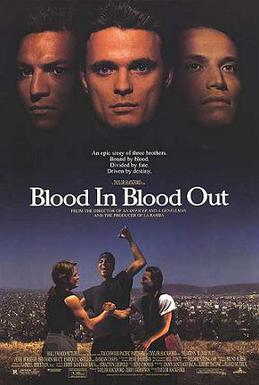
The 1993 film Blood In, Blood Out, directed by Taylor Hackford, is a powerful exploration of the complexities of gang culture and the unyielding bonds of loyalty that exist within it. The film follows the lives of three Chicano relatives, Miklo Velasco, Paco Velasco, and Cruz Celaya, as they navigate the harsh realities of life in East Los Angeles. Through their stories, the film sheds light on the sociology of gang culture and the ways in which it is shaped by factors such as poverty, rascism, and lack of opportunities. As noted by Jimmy Santiago Baca, co-writer of the film, the story is a testament to the enduring power of loyalty and friendship in the face of adversity.
👥 The Sociology of Gang Culture
The sociology of gang culture is a complex and multifaceted field of study, with researchers such as Albert K. Cohen and Clifford Shaw contributing to our understanding of the phenomenon. The film Blood In, Blood Out offers a unique perspective on this topic, highlighting the ways in which gang culture is shaped by factors such as family ties and community pressure. As Floyd Mutrux, co-writer of the film, notes, the story is a powerful exploration of the ways in which gangs can provide a sense of belonging and identity for young people. However, this sense of belonging can also come at a great cost, as seen in the consequences of gang involvement.
📽️ The Film's Impact on Popular Culture
The film's impact on popular culture has been significant, with many regarding it as a classic of the gangster film genre. The film's portrayal of the harsh realities of life in East Los Angeles has resonated with audiences, and its influence can be seen in later films such as Boyz n the Hood and Menace II Society. As noted by Roger Ebert, the film is a powerful exploration of the human condition, and its themes of loyalty and redemption continue to resonate with audiences today. The film's influence can also be seen in the work of Snoop Dogg and other hip hop artists.
🤝 The Unyielding Bonds of Loyalty
The unyielding bonds of loyalty that exist within gangs are a central theme of the film, and are explored through the relationships between the three main characters. As C.S. Lewis notes, loyalty is a complex and multifaceted concept, and can take many different forms. In the context of the film, loyalty is portrayed as a powerful force that can both unite and divide individuals, and is often tied to factors such as family ties and community pressure. The film also explores the ways in which gangs can provide a sense of protection and security for their members, as seen in the code of silence that exists within the gang.
🚔 Criminology and the Justice System
The film also raises important questions about the criminology of gang culture, and the ways in which the justice system responds to gang-related crime. As noted by Jeffrey Reiman, the film highlights the ways in which the justice system can often perpetuate cycles of violence and recidivism, rather than addressing the underlying causes of crime. The film also explores the ways in which policing strategies can impact community relations, and the ways in which community policing can be used to build trust and reduce crime. The film's portrayal of the prison system also highlights the need for prison reform.
🌆 The East Los Angeles Setting
The East Los Angeles setting of the film is also significant, as it provides a unique backdrop for the story. As noted by Mike Davis, the city of Los Angeles is a complex and multifaceted place, with a rich history and culture. The film's portrayal of the city's barrios and ghettos highlights the ways in which urban poverty and rascism can shape the lives of individuals and communities. The film also explores the ways in which urban planning and community development can impact quality of life in these areas.
📊 Statistical Analysis of Gang Violence
Statistical analysis of gang violence is also an important aspect of the film, as it highlights the devastating consequences of gang-related crime. As noted by FBI statistics, gang violence is a major problem in many urban areas, and can have a significant impact on public health and public safety. The film's portrayal of the consequences of gang violence is a powerful reminder of the need for effective gang prevention and intervention strategies. The film also highlights the importance of community engagement and youth programs in reducing gang violence.
👮 Policing and Community Relations
Policing and community relations are also important themes in the film, as they highlight the ways in which the police can both help and harm communities. As noted by William J. Wilson, the film's portrayal of the police is complex and multifaceted, and highlights the need for community policing and trust building strategies. The film also explores the ways in which police corruption and police brutality can undermine community trust and perpetuate cycles of violence. The film's portrayal of the police department also highlights the need for police reform.
📚 Literary and Cinematic Influences
The film's literary and cinematic influences are also significant, as they highlight the ways in which the story is shaped by a range of cultural and artistic traditions. As noted by Graham Greene, the film's portrayal of the human condition is a powerful exploration of the complexities of human nature. The film's influence can also be seen in the work of Martin Scorsese and other film directors. The film's use of cinematography and film score also adds to its emotional impact and artistic value.
🎬 The Director's Vision and Style
The director's vision and style are also important aspects of the film, as they shape the overall tone and narrative of the story. As noted by Taylor Hackford, the film is a powerful exploration of the human condition, and is shaped by a range of cultural and artistic traditions. The film's use of cinematography and film score also adds to its emotional impact and artistic value. The film's portrayal of the director's vision also highlights the importance of creative freedom in the filmmaking process.
👥 The Cast and Characters
The cast and characters of the film are also significant, as they bring the story to life and provide a range of perspectives on the themes and issues explored in the film. As noted by Damian Chapa, the film's portrayal of the characters is complex and multifaceted, and highlights the ways in which individuals can be shaped by a range of factors, including family ties, community pressure, and personal experience. The film's use of character development also adds to its emotional impact and artistic value.
👍 Conclusion and Legacy
In conclusion, the film Blood In, Blood Out is a powerful exploration of the complexities of gang culture and the unyielding bonds of loyalty that exist within it. The film's portrayal of the harsh realities of life in East Los Angeles is a powerful reminder of the need for effective gang prevention and intervention strategies, as well as community engagement and youth programs. As noted by Jimmy Santiago Baca, the film is a testament to the enduring power of loyalty and friendship in the face of adversity, and its themes and messages continue to resonate with audiences today.
Key Facts
- Year
- 1993
- Origin
- Early 20th century, within the context of prison gangs
- Category
- Sociology, Criminology
- Type
- Cultural Phenomenon
Frequently Asked Questions
What is the film Blood In, Blood Out about?
The film Blood In, Blood Out is a powerful exploration of the complexities of gang culture and the unyielding bonds of loyalty that exist within it. The film follows the lives of three Chicano relatives as they navigate the harsh realities of life in East Los Angeles. Through their stories, the film sheds light on the sociology of gang culture and the ways in which it is shaped by factors such as poverty, racism, and lack of opportunities. As noted by Jimmy Santiago Baca, the film is a testament to the enduring power of loyalty and friendship in the face of adversity.
Who directed the film Blood In, Blood Out?
The film Blood In, Blood Out was directed by Taylor Hackford, from a screenplay co-written by Jimmy Santiago Baca and Floyd Mutrux. The film's portrayal of the human condition is a powerful exploration of the complexities of human nature, and is shaped by a range of cultural and artistic traditions. As noted by Graham Greene, the film's portrayal of the human condition is a powerful exploration of the complexities of human nature.
What is the significance of the East Los Angeles setting in the film?
The East Los Angeles setting of the film is significant, as it provides a unique backdrop for the story. The film's portrayal of the city's barrios and ghettos highlights the ways in which urban poverty and racism can shape the lives of individuals and communities. As noted by Mike Davis, the city of Los Angeles is a complex and multifaceted place, with a rich history and culture. The film's portrayal of the city's urban landscape also highlights the need for effective urban planning and community development strategies.
How does the film portray the theme of loyalty?
The film Blood In, Blood Out portrays the theme of loyalty as a complex and multifaceted concept, and highlights the ways in which it can both unite and divide individuals. The film's portrayal of the unyielding bonds of loyalty that exist within gangs is a powerful exploration of the human condition, and is shaped by a range of cultural and artistic traditions. As noted by C.S. Lewis, loyalty is a complex and multifaceted concept, and can take many different forms. In the context of the film, loyalty is portrayed as a powerful force that can both unite and divide individuals, and is often tied to factors such as family ties and community pressure.
What is the film's impact on popular culture?
The film Blood In, Blood Out has had a significant impact on popular culture, with many regarding it as a classic of the gangster film genre. The film's portrayal of the harsh realities of life in East Los Angeles has resonated with audiences, and its influence can be seen in later films such as Boyz n the Hood and Menace II Society. As noted by Roger Ebert, the film is a powerful exploration of the human condition, and its themes of loyalty and redemption continue to resonate with audiences today.
How does the film portray the theme of redemption?
The film Blood In, Blood Out portrays the theme of redemption as a powerful and complex concept, and highlights the ways in which individuals can find redemption through their experiences. The film's portrayal of the characters' journeys towards redemption is a powerful exploration of the human condition, and is shaped by a range of cultural and artistic traditions. As noted by Graham Greene, the film's portrayal of the human condition is a powerful exploration of the complexities of human nature. The film's use of cinematography and film score also adds to its emotional impact and artistic value.
What is the film's portrayal of the justice system?
The film Blood In, Blood Out portrays the justice system as a complex and multifaceted institution, and highlights the ways in which it can both help and harm communities. The film's portrayal of the police is complex and multifaceted, and highlights the need for community policing and trust building strategies. As noted by William J. Wilson, the film's portrayal of the police is a powerful exploration of the complexities of the justice system, and highlights the need for effective policing strategies.