
Contents
- 🏰 Introduction to Bletchley Park
- 📝 The History of Codebreaking
- 🔍 The Enigma Machine and Its Impact
- 💻 The Birth of Modern Computing
- 👥 The Team Behind the Codebreaking
- 📊 The Mathematics of Codebreaking
- 🔑 The Lorenz Cipher and Its Significance
- 📚 The Legacy of Bletchley Park
- 🤝 The Influence of Bletchley Park on Modern Technology
- 🔒 The Security Implications of Codebreaking
- 📊 The Statistics of Codebreaking Success
- 👀 The Future of Codebreaking and Cybersecurity
- Frequently Asked Questions
- Related Topics
Overview
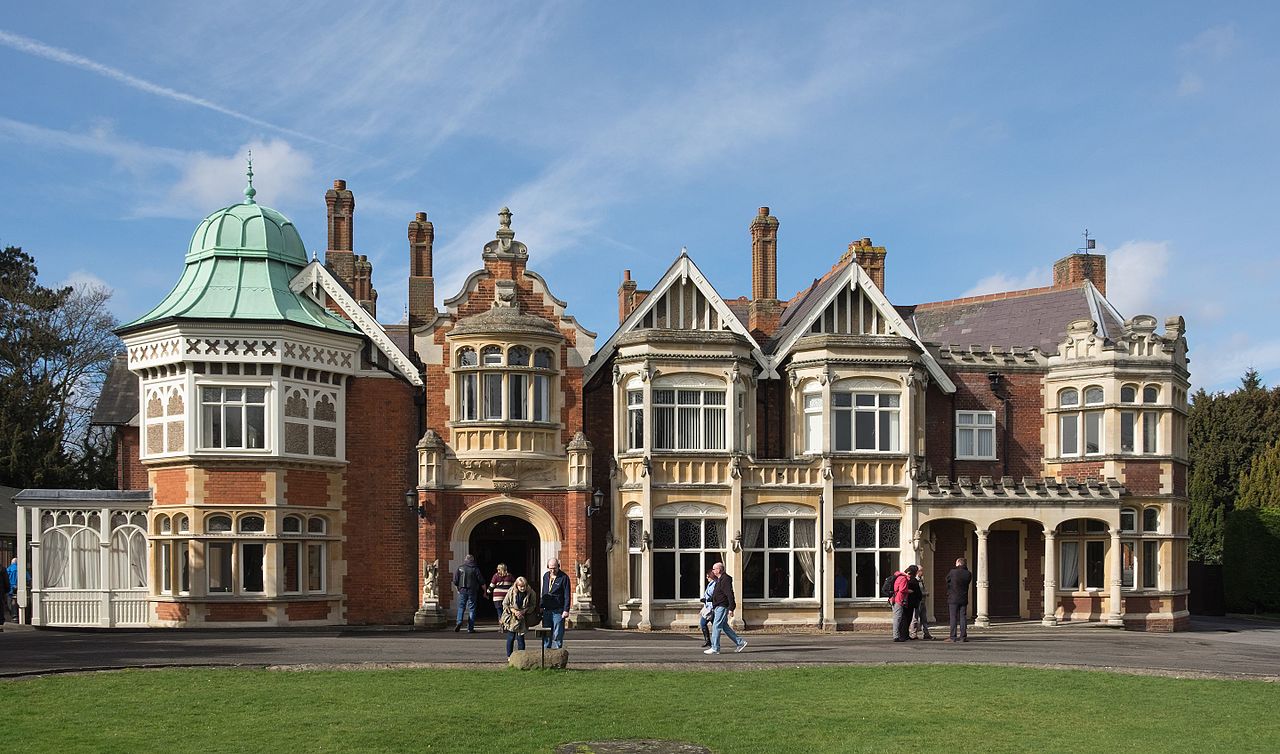
Bletchley Park, located in Milton Keynes, Buckinghamshire, is renowned for its pivotal role in Allied code-breaking during World War II. The estate housed the Government Code and Cypher School (GC&CS), which successfully penetrated the secret communications of the Axis powers, including the German Enigma and Lorenz ciphers. The work conducted at Bletchley Park is considered a cornerstone of modern cryptography and computer science. The team of codebreakers, including Alan Turing and Gordon Welchman, developed innovative methods and machines to decipher enemy communications. Their efforts significantly contributed to the Allied victory, as evidenced by the D-Day landings and the subsequent push into Germany. The impact of Bletchley Park's work can be seen in the development of modern computer networks and cybersecurity measures. The story of Bletchley Park serves as a testament to the power of human ingenuity and collaboration in the face of adversity, as highlighted in the Bletchley Park Museum.
📝 The History of Codebreaking
The history of codebreaking dates back to ancient civilizations, with evidence of cryptographic techniques used by the Egyptians, Greeks, and Romans. However, it wasn't until the advent of modern cryptography in the 20th century that codebreaking became a crucial aspect of military strategy. The Enigma machine, developed in Germany in the 1920s, was considered unbreakable, but the team at Bletchley Park, led by Alan Turing, proved otherwise. Their work built upon the foundations laid by earlier codebreakers, such as William Friedman and Charles Babbage. The development of the Bombe machine and the Colossus computer further accelerated the codebreaking process, enabling the Allies to gain a significant advantage over the Axis powers. The National Cyber Security Centre continues to draw upon the lessons learned at Bletchley Park to inform its approach to modern cybersecurity.
🔍 The Enigma Machine and Its Impact
The Enigma machine was a complex electro-mechanical cipher machine used by the Germans to encrypt messages. The machine's settings, including the rotor order, plugboard connections, and operator's choice of settings, made it incredibly difficult to decipher. However, the team at Bletchley Park, including Dilwyn Knox and Harry Golombek, developed a method to break the Enigma code using a combination of mathematical techniques and machine-based processing. The Bombe machine, designed by Alan Turing and Gordon Welchman, played a crucial role in this process. The breaking of the Enigma code gave the Allies valuable insights into German military operations, allowing them to prepare for and respond to enemy actions more effectively. This work laid the foundation for modern cryptography and computer science, with implications for fields such as artificial intelligence and data analytics.
💻 The Birth of Modern Computing
The work conducted at Bletchley Park during World War II marked the birth of modern computer science. The development of the Colossus computer, designed by Tommy Flowers and Max Newman, was a significant milestone in the history of computing. Colossus was the first electronic computer, using vacuum tubes to process information at high speeds. The machine was used to break the German Lorenz cipher, a more complex and secure system than the Enigma machine. The innovations developed at Bletchley Park, including the use of algorithms and programming languages, paved the way for the development of modern computers and the internet. The Computer History Museum recognizes the contributions of Bletchley Park to the evolution of computer science.
👥 The Team Behind the Codebreaking
The team behind the codebreaking efforts at Bletchley Park was a diverse group of individuals with expertise in various fields, including mathematics, linguistics, and engineering. Alan Turing, a renowned mathematician and computer scientist, played a central role in the development of the Bombe machine and the theoretical work on the Enigma machine. Gordon Welchman, a mathematician and computer scientist, worked closely with Turing to develop the Bombe machine and improve the codebreaking process. Other notable team members included Dilwyn Knox, Harry Golombek, and Stuart Milner-Barry. The team's collaborative efforts and innovative approaches to problem-solving were instrumental in achieving their goals. The Bletchley Park Museum showcases the contributions of these individuals and the significance of their work. The team's work also had implications for modern team management and collaboration strategies.
📊 The Mathematics of Codebreaking
The mathematics of codebreaking played a crucial role in the work conducted at Bletchley Park. The team used various mathematical techniques, including number theory and combinatorics, to analyze and decipher the enemy's encrypted messages. The Enigma machine's settings and the Lorenz cipher's complexity required the development of sophisticated mathematical models to understand and exploit their weaknesses. The work of Alan Turing and Gordon Welchman on the theoretical aspects of the Enigma machine and the Bombe machine's design relied heavily on mathematical principles. The application of mathematical techniques to codebreaking paved the way for the development of modern cryptography and computer science. The Mathematical Association recognizes the contributions of Bletchley Park to the field of mathematics.
🔑 The Lorenz Cipher and Its Significance
The Lorenz cipher was a more complex and secure system than the Enigma machine, used by the Germans for high-level communications. The cipher used a combination of substitution and transposition techniques to encrypt messages, making it extremely difficult to decipher. The team at Bletchley Park, including Bill Tutte and Tommy Flowers, developed a method to break the Lorenz cipher using a combination of mathematical techniques and machine-based processing. The Colossus computer played a crucial role in this process, enabling the team to process large amounts of data and identify patterns in the encrypted messages. The breaking of the Lorenz cipher gave the Allies valuable insights into German military operations, allowing them to prepare for and respond to enemy actions more effectively. The Lorenz cipher's complexity and security measures have been studied by modern cryptography experts, informing the development of more secure encryption systems.
📚 The Legacy of Bletchley Park
The legacy of Bletchley Park extends far beyond its role in World War II. The work conducted at the estate marked the beginning of the computer age and paved the way for the development of modern computer science and cryptography. The innovations developed at Bletchley Park, including the use of algorithms and programming languages, have had a lasting impact on the field of computer science. The Bletchley Park Museum serves as a testament to the significance of the work conducted at the estate, showcasing the history of codebreaking and the development of modern computing. The legacy of Bletchley Park continues to inspire new generations of computer scientists, cryptographers, and historians. The National Museum of Computing recognizes the importance of Bletchley Park's contributions to the history of computing.
🤝 The Influence of Bletchley Park on Modern Technology
The influence of Bletchley Park on modern technology is profound. The development of the Colossus computer and the Bombe machine marked the beginning of the computer age, paving the way for the development of modern computers and the internet. The innovations developed at Bletchley Park, including the use of algorithms and programming languages, have had a lasting impact on the field of computer science. The work conducted at Bletchley Park also laid the foundation for modern cryptography and cybersecurity measures, with implications for fields such as artificial intelligence and data analytics. The tech industry continues to draw upon the lessons learned at Bletchley Park, recognizing the significance of the estate's contributions to the development of modern technology. The Computer Science Department at universities around the world teaches the principles of computer science developed at Bletchley Park.
🔒 The Security Implications of Codebreaking
The security implications of codebreaking are significant, with both positive and negative consequences. On one hand, the ability to break enemy codes can provide valuable insights into military operations, allowing for more effective preparation and response. On the other hand, the development of secure encryption systems can protect sensitive information from unauthorized access. The work conducted at Bletchley Park highlighted the importance of cryptography and cybersecurity in modern warfare, with implications for fields such as artificial intelligence and data analytics. The National Cyber Security Centre continues to draw upon the lessons learned at Bletchley Park to inform its approach to modern cybersecurity. The cybersecurity industry recognizes the significance of Bletchley Park's contributions to the development of secure encryption systems.
📊 The Statistics of Codebreaking Success
The statistics of codebreaking success are impressive, with the team at Bletchley Park breaking thousands of enemy codes during World War II. The Enigma machine's settings and the Lorenz cipher's complexity required the development of sophisticated mathematical models to understand and exploit their weaknesses. The work of Alan Turing and Gordon Welchman on the theoretical aspects of the Enigma machine and the Bombe machine's design relied heavily on mathematical principles. The application of mathematical techniques to codebreaking paved the way for the development of modern cryptography and computer science. The Statistics Society recognizes the contributions of Bletchley Park to the field of statistics.
👀 The Future of Codebreaking and Cybersecurity
The future of codebreaking and cybersecurity is uncertain, with the rapid evolution of technology creating new challenges and opportunities. The development of artificial intelligence and machine learning has the potential to significantly impact the field of cryptography and cybersecurity. The National Cyber Security Centre continues to draw upon the lessons learned at Bletchley Park to inform its approach to modern cybersecurity. The cybersecurity industry recognizes the significance of Bletchley Park's contributions to the development of secure encryption systems. As technology continues to evolve, the importance of cryptography and cybersecurity will only continue to grow, with implications for fields such as data analytics and computer networks.
Key Facts
- Year
- 1939
- Origin
- Buckinghamshire, England
- Category
- History, Technology, Cryptography
- Type
- Historical Site, Museum
Frequently Asked Questions
What was the significance of Bletchley Park during World War II?
Bletchley Park was the principal centre of Allied code-breaking during World War II, where the team of codebreakers, including Alan Turing and Gordon Welchman, developed innovative methods and machines to decipher enemy communications. The work conducted at Bletchley Park significantly contributed to the Allied victory, as evidenced by the D-Day landings and the subsequent push into Germany. The team's efforts also laid the foundation for modern cryptography and computer science, with implications for fields such as artificial intelligence and data analytics.
Who were the key people involved in the codebreaking efforts at Bletchley Park?
The key people involved in the codebreaking efforts at Bletchley Park included Alan Turing, Gordon Welchman, Dilwyn Knox, Harry Golombek, and Stuart Milner-Barry. These individuals, along with many others, played crucial roles in the development of the Bombe machine and the theoretical work on the Enigma machine. Their collaborative efforts and innovative approaches to problem-solving were instrumental in achieving their goals. The team's work also had implications for modern team management and collaboration strategies.
What was the Enigma machine, and how was it broken?
The Enigma machine was a complex electro-mechanical cipher machine used by the Germans to encrypt messages. The machine's settings, including the rotor order, plugboard connections, and operator's choice of settings, made it incredibly difficult to decipher. However, the team at Bletchley Park, including Alan Turing and Gordon Welchman, developed a method to break the Enigma code using a combination of mathematical techniques and machine-based processing. The Bombe machine, designed by Alan Turing and Gordon Welchman, played a crucial role in this process.
What is the legacy of Bletchley Park, and how has it influenced modern technology?
The legacy of Bletchley Park extends far beyond its role in World War II. The work conducted at the estate marked the beginning of the computer age and paved the way for the development of modern computer science and cryptography. The innovations developed at Bletchley Park, including the use of algorithms and programming languages, have had a lasting impact on the field of computer science. The tech industry continues to draw upon the lessons learned at Bletchley Park, recognizing the significance of the estate's contributions to the development of modern technology.
What are the security implications of codebreaking, and how have they evolved over time?
The security implications of codebreaking are significant, with both positive and negative consequences. On one hand, the ability to break enemy codes can provide valuable insights into military operations, allowing for more effective preparation and response. On the other hand, the development of secure encryption systems can protect sensitive information from unauthorized access. The work conducted at Bletchley Park highlighted the importance of cryptography and cybersecurity in modern warfare, with implications for fields such as artificial intelligence and data analytics. The National Cyber Security Centre continues to draw upon the lessons learned at Bletchley Park to inform its approach to modern cybersecurity.
How has the field of cryptography and cybersecurity evolved since Bletchley Park?
The field of cryptography and cybersecurity has evolved significantly since Bletchley Park. The development of modern encryption systems, such as public-key cryptography and blockchain technology, has provided new ways to protect sensitive information. The rise of artificial intelligence and machine learning has also created new challenges and opportunities for cryptography and cybersecurity. The National Cyber Security Centre continues to draw upon the lessons learned at Bletchley Park to inform its approach to modern cybersecurity, recognizing the significance of the estate's contributions to the development of secure encryption systems.
What is the current state of codebreaking and cybersecurity, and what are the future challenges and opportunities?
The current state of codebreaking and cybersecurity is complex and rapidly evolving. The development of artificial intelligence and machine learning has created new challenges and opportunities for cryptography and cybersecurity. The National Cyber Security Centre continues to draw upon the lessons learned at Bletchley Park to inform its approach to modern cybersecurity, recognizing the significance of the estate's contributions to the development of secure encryption systems. As technology continues to evolve, the importance of cryptography and cybersecurity will only continue to grow, with implications for fields such as data analytics and computer networks.