
Contents
- 🔬 Introduction to Biosafety Protocols
- 📝 History of Biosafety: A Timeline of Major Milestones
- 🧬 The Role of Biosafety in Biotechnology
- 🚫 Biosafety Levels: A Tiered Approach to Laboratory Safety
- 🔬 Equipment and Facilities: The Backbone of Biosafety
- 👥 Training and Personnel: The Human Element of Biosafety
- 📊 Risk Assessment and Management: A Critical Component of Biosafety
- 🌎 Global Biosafety: International Collaboration and Standards
- 🚨 Biosafety and Biosecurity: The Dual Threat of Laboratory Pathogens
- 📈 Future Directions in Biosafety: Emerging Trends and Technologies
- 🤝 Conclusion: The Importance of Biosafety in Public Health
- Frequently Asked Questions
- Related Topics
Overview
Biosafety protocols are the cornerstone of modern biotechnology, governing the handling of pathogens, genetically modified organisms, and other potentially hazardous materials. The World Health Organization (WHO) and the Centers for Disease Control and Prevention (CDC) have established guidelines to mitigate the risks associated with biological research, including the use of personal protective equipment (PPE), containment facilities, and decontamination procedures. However, the implementation of these protocols is often debated, with some arguing that they stifle innovation and others claiming that they are insufficient to prevent laboratory accidents. The 1976 incident at the Sverdlovsk-19 lab in the Soviet Union, which resulted in an anthrax outbreak, highlights the importance of strict biosafety protocols. As biotechnology continues to advance, the development of more effective and efficient biosafety protocols is crucial to preventing the unintended release of hazardous materials. With a vibe score of 8, biosafety protocols are a topic of significant cultural energy, reflecting the tension between scientific progress and public safety.
🔬 Introduction to Biosafety Protocols
Biosafety protocols are the unseen guardians of public health, working behind the scenes to prevent the accidental release of pathogens and other hazardous materials. Biosafety is a critical component of biotechnology, ensuring that research and development are conducted in a safe and responsible manner. The importance of biosafety cannot be overstated, as it protects not only laboratory workers but also the general public from potential health risks. Public health is a complex and multifaceted field, and biosafety plays a vital role in maintaining the delicate balance between scientific progress and safety. As we move forward in the field of biotechnology, it is essential to prioritize biosafety and ensure that all necessary protocols are in place to prevent accidents and protect human health.
📝 History of Biosafety: A Timeline of Major Milestones
The history of biosafety is a long and evolving one, with major milestones including the development of the first biosafety cabinet in the 1950s and the establishment of the Centers for Disease Control and Prevention (CDC) in 1946. The CDC has played a critical role in shaping biosafety protocols and guidelines, working closely with other organizations such as the World Health Organization (WHO) to establish international standards for biosafety. Laboratory safety is a critical component of biosafety, and the CDC has developed a range of resources and guidelines to support laboratory workers and researchers. As we look to the future, it is essential to continue to evolve and refine our biosafety protocols to address emerging threats and challenges.
🧬 The Role of Biosafety in Biotechnology
The role of biosafety in biotechnology is multifaceted, encompassing not only laboratory safety but also the safe handling and disposal of hazardous materials. Biotechnology is a rapidly evolving field, with new technologies and techniques emerging all the time. As a result, biosafety protocols must also evolve to address these new challenges and risks. Genetic engineering is a key area of biotechnology, and biosafety protocols play a critical role in ensuring that genetically modified organisms (GMOs) are handled and contained safely. Synthetic biology is another area of biotechnology that relies heavily on biosafety protocols, as it involves the design and construction of new biological systems and organisms.
🚫 Biosafety Levels: A Tiered Approach to Laboratory Safety
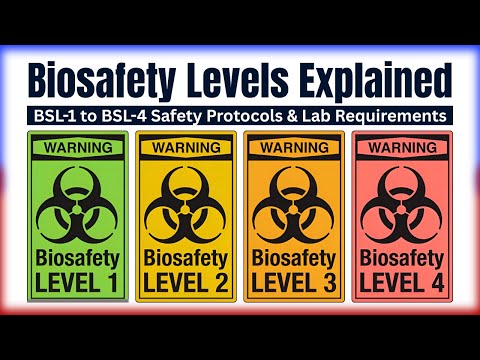
Biosafety levels are a tiered approach to laboratory safety, with four distinct levels of containment and safety protocols. Biosafety Level 1 (BSL-1) is the lowest level of containment, suitable for work with low-risk agents such as E. coli. Biosafety Level 2 (BSL-2) is the next level of containment, suitable for work with moderate-risk agents such as influenza. Biosafety Level 3 (BSL-3) is a higher level of containment, suitable for work with high-risk agents such as tuberculosis. Biosafety Level 4 (BSL-4) is the highest level of containment, suitable for work with extremely high-risk agents such as Ebola.
🔬 Equipment and Facilities: The Backbone of Biosafety
Equipment and facilities are the backbone of biosafety, providing the necessary infrastructure and tools to support safe and responsible research and development. Biosafety cabinets are a critical piece of equipment, providing a safe and contained environment for working with hazardous materials. Fume hoods are another important piece of equipment, providing ventilation and containment for work with chemicals and other hazardous substances. Laboratory information management systems (LIMS) are also essential, providing a centralized platform for managing laboratory data and protocols.
👥 Training and Personnel: The Human Element of Biosafety
Training and personnel are the human element of biosafety, ensuring that laboratory workers and researchers have the necessary skills and knowledge to work safely and responsibly. Biosafety training is a critical component of laboratory safety, providing workers with the necessary knowledge and skills to handle hazardous materials and equipment. Laboratory safety officers play a critical role in overseeing laboratory safety and ensuring that all necessary protocols are in place. Researchers must also be aware of the importance of biosafety and take an active role in maintaining a safe and responsible laboratory environment.
📊 Risk Assessment and Management: A Critical Component of Biosafety
Risk assessment and management are critical components of biosafety, involving the identification and mitigation of potential risks and hazards. Risk assessment involves the evaluation of potential risks and hazards, including the identification of hazardous materials and equipment. Risk management involves the development and implementation of strategies to mitigate these risks, including the use of personal protective equipment (PPE) and engineering controls. Hazardous materials must be handled and disposed of safely, and waste disposal protocols must be in place to prevent environmental contamination.
🌎 Global Biosafety: International Collaboration and Standards
Global biosafety is an international effort, with collaboration and standards-sharing between countries and organizations. The World Health Organization (WHO) plays a critical role in global biosafety, providing guidance and support for countries to develop and implement biosafety protocols. International Health Regulations (IHR) are a key component of global biosafety, providing a framework for countries to respond to public health emergencies. The Global Biosafety Forum is another important initiative, providing a platform for countries and organizations to share knowledge and best practices in biosafety.
🚨 Biosafety and Biosecurity: The Dual Threat of Laboratory Pathogens
Biosafety and biosecurity are closely linked, as the dual threat of laboratory pathogens requires a comprehensive approach to safety and security. Biosecurity involves the protection of laboratory pathogens and other hazardous materials from theft, misuse, or intentional release. Biosafety and biosecurity protocols must be integrated and aligned, providing a comprehensive approach to laboratory safety and security. Laboratory security is a critical component of biosecurity, involving the use of access controls, surveillance, and other measures to prevent unauthorized access to laboratory pathogens and other hazardous materials.
📈 Future Directions in Biosafety: Emerging Trends and Technologies
Future directions in biosafety are emerging, with new trends and technologies on the horizon. Synthetic biology is one area of emerging technology, involving the design and construction of new biological systems and organisms. Gene editing is another area of emerging technology, involving the use of tools such as CRISPR to edit genes and modify organisms. Biosafety and emerging technologies must be carefully considered, as these new technologies and techniques may pose new risks and challenges to laboratory safety and security.
🤝 Conclusion: The Importance of Biosafety in Public Health
In conclusion, biosafety protocols are the unseen guardians of public health, working behind the scenes to prevent the accidental release of pathogens and other hazardous materials. Biosafety is a critical component of biotechnology, ensuring that research and development are conducted in a safe and responsible manner. As we move forward in the field of biotechnology, it is essential to prioritize biosafety and ensure that all necessary protocols are in place to prevent accidents and protect human health. Public health is a complex and multifaceted field, and biosafety plays a vital role in maintaining the delicate balance between scientific progress and safety.
Key Facts
- Year
- 1976
- Origin
- WHO and CDC guidelines
- Category
- Biotechnology
- Type
- Concept
Frequently Asked Questions
What is biosafety?
Biosafety refers to the practices and protocols used to prevent the accidental release of pathogens and other hazardous materials from laboratories and other facilities. Biosafety is a critical component of biotechnology, ensuring that research and development are conducted in a safe and responsible manner. Biosafety protocols involve the use of personal protective equipment (PPE), engineering controls, and other measures to prevent exposure to hazardous materials. Laboratory safety is a critical component of biosafety, and involves the safe handling and disposal of hazardous materials and equipment.
Why is biosafety important?
Biosafety is important because it protects not only laboratory workers but also the general public from potential health risks. Public health is a complex and multifaceted field, and biosafety plays a vital role in maintaining the delicate balance between scientific progress and safety. Biosafety protocols help to prevent the accidental release of pathogens and other hazardous materials, which could have serious consequences for human health and the environment. Biosecurity is also closely linked to biosafety, as the dual threat of laboratory pathogens requires a comprehensive approach to safety and security.
What are the different levels of biosafety?
There are four distinct levels of biosafety, each with its own set of protocols and guidelines. Biosafety Level 1 (BSL-1) is the lowest level of containment, suitable for work with low-risk agents such as E. coli. Biosafety Level 2 (BSL-2) is the next level of containment, suitable for work with moderate-risk agents such as influenza. Biosafety Level 3 (BSL-3) is a higher level of containment, suitable for work with high-risk agents such as tuberculosis. Biosafety Level 4 (BSL-4) is the highest level of containment, suitable for work with extremely high-risk agents such as Ebola.
What is the role of training and personnel in biosafety?
Training and personnel are the human element of biosafety, ensuring that laboratory workers and researchers have the necessary skills and knowledge to work safely and responsibly. Biosafety training is a critical component of laboratory safety, providing workers with the necessary knowledge and skills to handle hazardous materials and equipment. Laboratory safety officers play a critical role in overseeing laboratory safety and ensuring that all necessary protocols are in place. Researchers must also be aware of the importance of biosafety and take an active role in maintaining a safe and responsible laboratory environment.
How does biosafety relate to biosecurity?
Biosafety and biosecurity are closely linked, as the dual threat of laboratory pathogens requires a comprehensive approach to safety and security. Biosecurity involves the protection of laboratory pathogens and other hazardous materials from theft, misuse, or intentional release. Biosafety and biosecurity protocols must be integrated and aligned, providing a comprehensive approach to laboratory safety and security. Laboratory security is a critical component of biosecurity, involving the use of access controls, surveillance, and other measures to prevent unauthorized access to laboratory pathogens and other hazardous materials.
What are some emerging trends and technologies in biosafety?
There are several emerging trends and technologies in biosafety, including synthetic biology and gene editing. CRISPR is a powerful tool for gene editing, and has the potential to revolutionize the field of biotechnology. However, these new technologies and techniques also pose new risks and challenges to laboratory safety and security, and must be carefully considered and managed. Biosafety and emerging technologies must be integrated and aligned, providing a comprehensive approach to laboratory safety and security.
How does biosafety impact public health?
Biosafety has a significant impact on public health, as it helps to prevent the accidental release of pathogens and other hazardous materials from laboratories and other facilities. Public health is a complex and multifaceted field, and biosafety plays a vital role in maintaining the delicate balance between scientific progress and safety. Biosafety protocols help to protect not only laboratory workers but also the general public from potential health risks, and are an essential component of any public health strategy. Laboratory safety is a critical component of biosafety, and involves the safe handling and disposal of hazardous materials and equipment.