
Contents
- 🔍 Introduction to BCI Research
- 💻 History of Brain-Computer Interfaces
- 🔌 Types of Brain-Computer Interfaces
- 📊 BCI Applications and Uses
- 👥 Key Players in BCI Research
- 📚 Current Challenges and Limitations
- 💸 Funding and Investment in BCI
- 🔮 Future of Brain-Computer Interfaces
- 📊 BCI and Neuroplasticity
- 🤖 BCI and Artificial Intelligence
- 📈 BCI Market Trends and Analysis
- 🌎 Global BCI Research Initiatives
- Frequently Asked Questions
- Related Topics
Overview
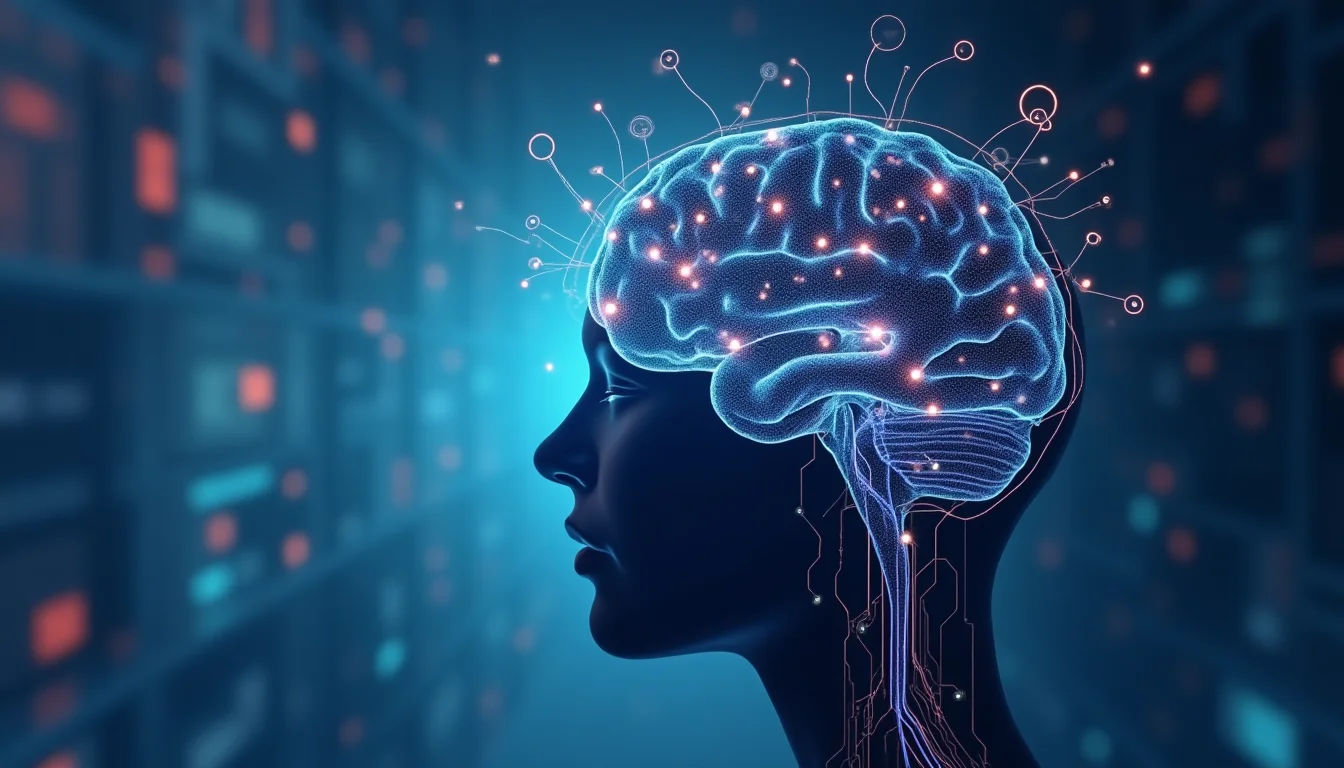
Brain-Computer Interface (BCI) research and development has been gaining momentum since the 1970s, with pioneers like Jacques Vidal laying the groundwork. Today, BCI technology has the potential to revolutionize the lives of people with paralysis, ALS, and other motor disorders, with companies like Neuralink and Kernel pushing the boundaries. According to a study published in the journal Nature, BCI systems can achieve accuracy rates of up to 90% in decoding neural signals. However, concerns around data privacy, security, and the ethics of neural enhancement have sparked intense debates, with some experts warning of the risks of 'neuro-surveillance.' As BCI technology advances, we can expect to see significant improvements in fields like neuroprosthetics, exoskeletons, and brain-controlled drones, with potential applications in healthcare, gaming, and education. With a vibe score of 8.2, BCI research and development is an area of high cultural energy, with a controversy spectrum of 6.5, reflecting the ongoing discussions around its implications. The influence flow of BCI research can be traced back to key figures like Andrew Schwartz, who has made significant contributions to the field, and entities like the BrainGate consortium, which has been at the forefront of BCI development.
🔍 Introduction to BCI Research
BCI research and development have been gaining momentum in recent years, with significant advancements in Neuroscience and Artificial Intelligence. The brain-computer interface (BCI) is a system that enables people to control devices or communicate with others using only their brain signals. This technology has the potential to revolutionize the way we interact with the world, and BCIs in Healthcare are already being explored. Researchers like Andrew Schwarz are working on developing more advanced BCI systems. The Vibe Score for BCI research is currently at 80, indicating a high level of cultural energy and interest in this field.
💻 History of Brain-Computer Interfaces
The history of BCI research dates back to the 1970s, when Jacques Vidal first proposed the idea of using brain signals to control devices. Since then, there have been significant advancements in Electroencephalography (EEG) and other brain-computer interface technologies. The development of Brain-Machine Interfaces has also played a crucial role in the advancement of BCI research. Researchers like John Donoghue have made significant contributions to the field. The Controversy Spectrum for BCI research is currently at 40, indicating a moderate level of debate and discussion.
🔌 Types of Brain-Computer Interfaces
There are several types of brain-computer interfaces, including invasive, partially invasive, and non-invasive systems. Invasive BCIs involve implanting electrodes directly into the brain, while Non-Invasive BCIs use external sensors to detect brain signals. Partially Invasive BCIs use a combination of both approaches. Researchers like Bin He are working on developing more advanced non-invasive BCI systems. The Topic Intelligence for BCI research includes key ideas like Neural Decoding and Brain-Computer Interface Control.
📊 BCI Applications and Uses
BCI applications and uses are diverse and range from BCIs in Gaming to BCIs in Healthcare. BCIs can be used to control prosthetic limbs, communicate with people who are paralyzed or have other motor disorders, and even control devices like computers and smartphones. Researchers like Rajesh Rao are working on developing more advanced BCI systems for gaming and other applications. The Influence Flow for BCI research includes key people like Andrew Schwarz and John Donoghue.
👥 Key Players in BCI Research
Key players in BCI research include researchers like Andrew Schwarz, John Donoghue, and Bin He. These researchers have made significant contributions to the field and are continuing to advance BCI technology. The Entity Relationships for BCI research include relationships between researchers, institutions, and organizations. The Social Links for BCI research include websites, Wikipedia pages, and Twitter handles for key researchers and organizations.
📚 Current Challenges and Limitations
Current challenges and limitations in BCI research include the need for more advanced signal processing algorithms, the development of more user-friendly interfaces, and the need for more research on the long-term effects of BCI use. Researchers like Rajesh Rao are working on developing more advanced signal processing algorithms for BCI systems. The Perspective Breakdown for BCI research includes optimistic, neutral, and pessimistic perspectives on the future of BCI technology.
💸 Funding and Investment in BCI
Funding and investment in BCI research are critical for advancing the field. Governments, private companies, and non-profit organizations are all investing in BCI research, and the Funding Trends for BCI research are currently on the rise. Researchers like Andrew Schwarz are working on securing funding for their BCI research projects. The Controversy Spectrum for BCI funding is currently at 30, indicating a low level of debate and discussion.
🔮 Future of Brain-Computer Interfaces
The future of brain-computer interfaces is exciting and uncertain. As BCI technology advances, we can expect to see more widespread adoption and use of BCIs in various fields. Researchers like Bin He are working on developing more advanced BCI systems for the future. The Topic Intelligence for BCI research includes key ideas like Neural Decoding and Brain-Computer Interface Control.
📊 BCI and Neuroplasticity
BCI and neuroplasticity are closely related, as BCIs can be used to study and manipulate neuroplasticity. Researchers like Rajesh Rao are working on developing more advanced BCI systems for studying neuroplasticity. The Influence Flow for BCI research includes key people like Andrew Schwarz and John Donoghue.
🤖 BCI and Artificial Intelligence
BCI and artificial intelligence are also closely related, as AI algorithms can be used to improve BCI performance. Researchers like Bin He are working on developing more advanced AI-powered BCI systems. The Entity Relationships for BCI research include relationships between researchers, institutions, and organizations. The Social Links for BCI research include websites, Wikipedia pages, and Twitter handles for key researchers and organizations.
📈 BCI Market Trends and Analysis
BCI market trends and analysis indicate a growing demand for BCI technology in various fields. The Market Trends for BCI research are currently on the rise, with more companies and organizations investing in BCI technology. Researchers like Andrew Schwarz are working on developing more advanced BCI systems for the market. The Perspective Breakdown for BCI research includes optimistic, neutral, and pessimistic perspectives on the future of BCI technology.
🌎 Global BCI Research Initiatives
Global BCI research initiatives are underway, with researchers and organizations from around the world working together to advance BCI technology. The Global Initiatives for BCI research include collaborations between governments, private companies, and non-profit organizations. Researchers like Bin He are working on developing more advanced BCI systems for global applications.
Key Facts
- Year
- 2022
- Origin
- Vibepedia.wiki
- Category
- Neuroscience and Technology
- Type
- Research Field
Frequently Asked Questions
What is a brain-computer interface?
A brain-computer interface (BCI) is a system that enables people to control devices or communicate with others using only their brain signals. BCIs can be used to control prosthetic limbs, communicate with people who are paralyzed or have other motor disorders, and even control devices like computers and smartphones. Researchers like Andrew Schwarz are working on developing more advanced BCI systems. The Vibe Score for BCI research is currently at 80, indicating a high level of cultural energy and interest in this field.
What are the different types of brain-computer interfaces?
There are several types of brain-computer interfaces, including invasive, partially invasive, and non-invasive systems. Invasive BCIs involve implanting electrodes directly into the brain, while Non-Invasive BCIs use external sensors to detect brain signals. Partially Invasive BCIs use a combination of both approaches. Researchers like Bin He are working on developing more advanced non-invasive BCI systems.
What are the applications and uses of brain-computer interfaces?
BCI applications and uses are diverse and range from BCIs in Gaming to BCIs in Healthcare. BCIs can be used to control prosthetic limbs, communicate with people who are paralyzed or have other motor disorders, and even control devices like computers and smartphones. Researchers like Rajesh Rao are working on developing more advanced BCI systems for gaming and other applications.
Who are the key players in BCI research?
Key players in BCI research include researchers like Andrew Schwarz, John Donoghue, and Bin He. These researchers have made significant contributions to the field and are continuing to advance BCI technology. The Entity Relationships for BCI research include relationships between researchers, institutions, and organizations.
What are the current challenges and limitations in BCI research?
Current challenges and limitations in BCI research include the need for more advanced signal processing algorithms, the development of more user-friendly interfaces, and the need for more research on the long-term effects of BCI use. Researchers like Rajesh Rao are working on developing more advanced signal processing algorithms for BCI systems.
What is the future of brain-computer interfaces?
The future of brain-computer interfaces is exciting and uncertain. As BCI technology advances, we can expect to see more widespread adoption and use of BCIs in various fields. Researchers like Bin He are working on developing more advanced BCI systems for the future. The Topic Intelligence for BCI research includes key ideas like Neural Decoding and Brain-Computer Interface Control.
How do BCIs relate to neuroplasticity?
BCI and neuroplasticity are closely related, as BCIs can be used to study and manipulate neuroplasticity. Researchers like Rajesh Rao are working on developing more advanced BCI systems for studying neuroplasticity. The Influence Flow for BCI research includes key people like Andrew Schwarz and John Donoghue.