
Contents
- 🏙️ Introduction to Baltimore
- 🎨 Arts and Culture in Baltimore
- 🍴 Baltimore's Food Scene
- 🏞️ Baltimore's Neighborhoods
- 📚 Education in Baltimore
- 🏥 Healthcare in Baltimore
- 🚨 Crime and Safety in Baltimore
- 👥 Demographics of Baltimore
- 💼 Economy of Baltimore
- 🚂 Transportation in Baltimore
- 🏛️ History of Baltimore
- 📊 Conclusion and Future of Baltimore
- Frequently Asked Questions
- Related Topics
Overview
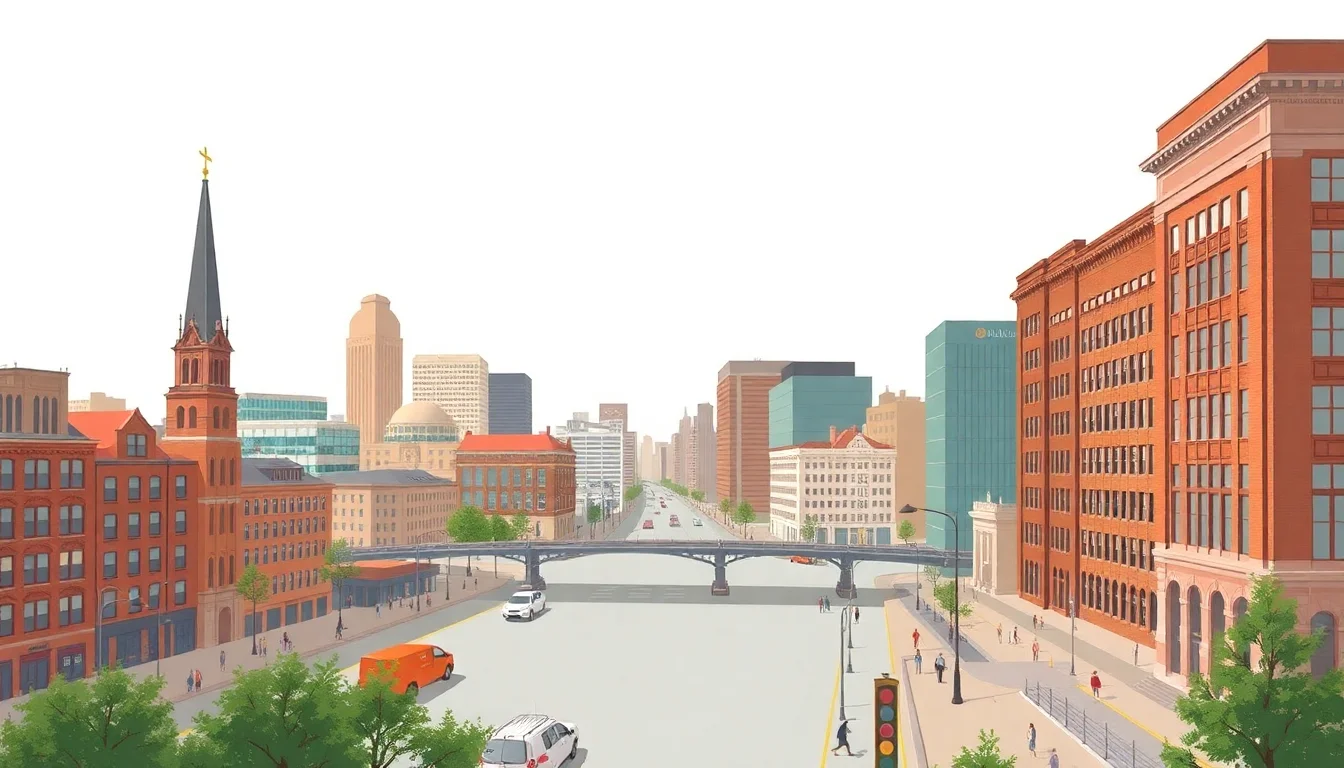
Baltimore, Maryland, with a vibe score of 82, is a city that seamlessly blends its rich history with modern charm. Founded in 1729, it has been a major hub for trade, culture, and innovation, boasting landmarks like the Inner Harbor and Fort McHenry. However, it also faces challenges such as socioeconomic disparities and crime, sparking debates about gentrification and community development. The city is home to renowned institutions like Johns Hopkins University and has a thriving arts scene, including the Baltimore Museum of Art. With its unique blend of historic neighborhoods and contemporary attractions, Baltimore attracts visitors and new residents alike, contributing to its cultural and economic growth. As the city continues to evolve, it must balance preservation with innovation, ensuring that its revitalization benefits all its communities. The future of Baltimore is marked by potential, with ongoing projects aimed at enhancing its infrastructure, education system, and community engagement, setting the stage for a brighter, more inclusive future.
🏙️ Introduction to Baltimore
Baltimore, Maryland, is a city of contrasts, where historic neighborhoods and modern developments coexist. The city is home to a diverse population of over 621,000 people, according to the United States Census Bureau. Baltimore is known for its rich history, cultural attractions, and vibrant arts scene, including the Baltimore Museum of Art and the National Aquarium. The city is also famous for its crab cakes and Natty Boh, a local beer. Visitors can explore the city's many neighborhoods, such as Fell's Point and Harbor East, each with its own unique character.
🎨 Arts and Culture in Baltimore
The arts and culture scene in Baltimore is thriving, with numerous galleries, museums, and performance venues. The Baltimore Symphony Orchestra is one of the city's most renowned cultural institutions, and the Center Stage theater company produces a wide range of plays and musicals. The city is also home to the Baltimore Museum of Industry, which showcases the city's industrial heritage. Visitors can explore the city's many street art murals, including those in the Station North Arts District. The city's vibrant arts scene is also reflected in its many festivals, such as the Baltimore Book Festival and the Baltimore Jazz Festival.
🍴 Baltimore's Food Scene
Baltimore's food scene is a reflection of the city's diverse cultural influences. The city is famous for its Maryland crab dishes, including crab cakes, crab soup, and steamed crabs. Visitors can sample the city's best seafood at restaurants such as The Boathouse Cantina and Faidley Seafood. The city is also home to a thriving food truck scene, with many vendors offering a wide range of cuisines, from barbecue to Korean BBQ. The city's many neighborhoods, such as Little Italy and Fell's Point, offer a wide range of dining options, from traditional Italian restaurants to modern gastropubs.
🏞️ Baltimore's Neighborhoods
Baltimore's neighborhoods are a key part of the city's charm, each with its own unique character and history. The Inner Harbor is a popular destination for tourists, with its many shops, restaurants, and attractions, including the National Aquarium and the USS Constellation. The Fell's Point neighborhood is known for its vibrant nightlife, with many bars and clubs, such as The Broadway Pier and Max's Taphouse. The Mount Vernon neighborhood is home to many of the city's cultural attractions, including the Walters Art Museum and the Peabody Institute.
📚 Education in Baltimore
Education is an important part of life in Baltimore, with many top-ranked schools and universities. The Johns Hopkins University is one of the city's most prestigious institutions, and is known for its programs in medicine, engineering, and public health. The University of Maryland, Baltimore is another major institution, with programs in law, medicine, and pharmacy. The city is also home to many highly-rated public schools, including Baltimore City College and Western High School.
🏥 Healthcare in Baltimore
Baltimore is home to many top-ranked hospitals and medical institutions, including Johns Hopkins Hospital and University of Maryland Medical Center. The city is also a hub for medical research, with many institutions, such as the National Institutes of Health, conducting cutting-edge research in fields such as cancer research and infectious disease research. The city's many medical institutions are also major employers, with many jobs available in fields such as nursing and healthcare administration.
🚨 Crime and Safety in Baltimore
Crime and safety are major concerns in Baltimore, with high rates of violent crime and property crime. The city has implemented many initiatives to reduce crime, including the Baltimore Police Department's community policing program and the Baltimore Crime Stoppers tip line. Visitors can take many precautions to stay safe, such as avoiding walking alone in isolated areas and keeping valuables secure. The city's many neighborhoods, such as Fell's Point and Harbor East, are generally considered safe, but visitors should still be aware of their surroundings and take necessary precautions.
👥 Demographics of Baltimore
The demographics of Baltimore are diverse, with a population that is approximately 63% African American, 31% White, and 4% Hispanic. The city has a median household income of around $41,000, according to the United States Census Bureau. The city's population is also relatively young, with a median age of 35. The city's many neighborhoods, such as Mount Vernon and Charles Village, offer a wide range of housing options, from apartments to houses.
💼 Economy of Baltimore
The economy of Baltimore is diverse, with major industries in healthcare, education, and manufacturing. The city is home to many major employers, including Johns Hopkins University and University of Maryland, Baltimore. The city is also a hub for biotechnology and information technology, with many startups and established companies, such as Under Armour, headquartered in the city. The city's many neighborhoods, such as Harbor East and Fell's Point, offer a wide range of shopping and dining options, from boutiques to restaurants.
🚂 Transportation in Baltimore
Transportation in Baltimore is convenient, with many options available, including the Baltimore Light Rail and the Maryland Area Regional Commuter train. The city is also served by Baltimore-Washington International Thurgood Marshall Airport, which offers flights to many domestic and international destinations. The city's many neighborhoods, such as Mount Vernon and Charles Village, are also pedestrian-friendly, with many shops and restaurants within walking distance.
🏛️ History of Baltimore
The history of Baltimore is rich and complex, with many significant events and figures playing a role in shaping the city. The city was founded in 1729 and has since grown into a thriving metropolis, with many historic neighborhoods, such as Fell's Point and Harbor East. The city played a significant role in the American Civil War, with many battles and events taking place in and around the city. The city is also home to many historic landmarks, including the Fort McHenry and the USS Constellation.
📊 Conclusion and Future of Baltimore
In conclusion, Baltimore is a city of contrasts, with a rich history, diverse culture, and thriving economy. The city's many neighborhoods, such as Mount Vernon and Charles Village, offer a wide range of housing options, from apartments to houses. The city's many cultural attractions, including the Baltimore Museum of Art and the National Aquarium, make it a popular destination for tourists. As the city continues to grow and develop, it is likely to remain a vibrant and exciting place to live, work, and visit, with many opportunities for jobs and education.
Key Facts
- Year
- 1729
- Origin
- Founded by the Maryland General Assembly
- Category
- Cities
- Type
- City
Frequently Asked Questions
What is the population of Baltimore, Maryland?
The population of Baltimore, Maryland is approximately 621,000 people, according to the United States Census Bureau. The city's population is diverse, with a mix of African American, White, and Hispanic residents. The city's many neighborhoods, such as Mount Vernon and Charles Village, offer a wide range of housing options, from apartments to houses.
What are the major industries in Baltimore?
The major industries in Baltimore are healthcare, education, and manufacturing. The city is home to many major employers, including Johns Hopkins University and University of Maryland, Baltimore. The city is also a hub for biotechnology and information technology, with many startups and established companies, such as Under Armour, headquartered in the city.
What are the most popular tourist attractions in Baltimore?
The most popular tourist attractions in Baltimore include the National Aquarium, the Baltimore Museum of Art, and the Fort McHenry. The city's many neighborhoods, such as Fell's Point and Harbor East, offer a wide range of shopping and dining options, from boutiques to restaurants.
What is the history of Baltimore?
The history of Baltimore is rich and complex, with many significant events and figures playing a role in shaping the city. The city was founded in 1729 and has since grown into a thriving metropolis, with many historic neighborhoods, such as Fell's Point and Harbor East. The city played a significant role in the American Civil War, with many battles and events taking place in and around the city.
What are the demographics of Baltimore?
The demographics of Baltimore are diverse, with a population that is approximately 63% African American, 31% White, and 4% Hispanic. The city has a median household income of around $41,000, according to the United States Census Bureau. The city's population is also relatively young, with a median age of 35.
What is the economy of Baltimore like?
The economy of Baltimore is diverse, with major industries in healthcare, education, and manufacturing. The city is home to many major employers, including Johns Hopkins University and University of Maryland, Baltimore. The city is also a hub for biotechnology and information technology, with many startups and established companies, such as Under Armour, headquartered in the city.
What are the transportation options in Baltimore?
The transportation options in Baltimore include the Baltimore Light Rail and the Maryland Area Regional Commuter train. The city is also served by Baltimore-Washington International Thurgood Marshall Airport, which offers flights to many domestic and international destinations. The city's many neighborhoods, such as Mount Vernon and Charles Village, are also pedestrian-friendly, with many shops and restaurants within walking distance.