
Contents
- 🎵 Origins & History
- ⚙️ How It Works
- 📊 Key Facts & Numbers
- 👥 Key People & Organizations
- 🌍 Cultural Impact & Influence
- ⚡ Current State & Latest Developments
- 🤔 Controversies & Debates
- 🔮 Future Outlook & Predictions
- 💡 Practical Applications
- 📚 Related Topics & Deeper Reading
- Frequently Asked Questions
- References
- Related Topics
Overview
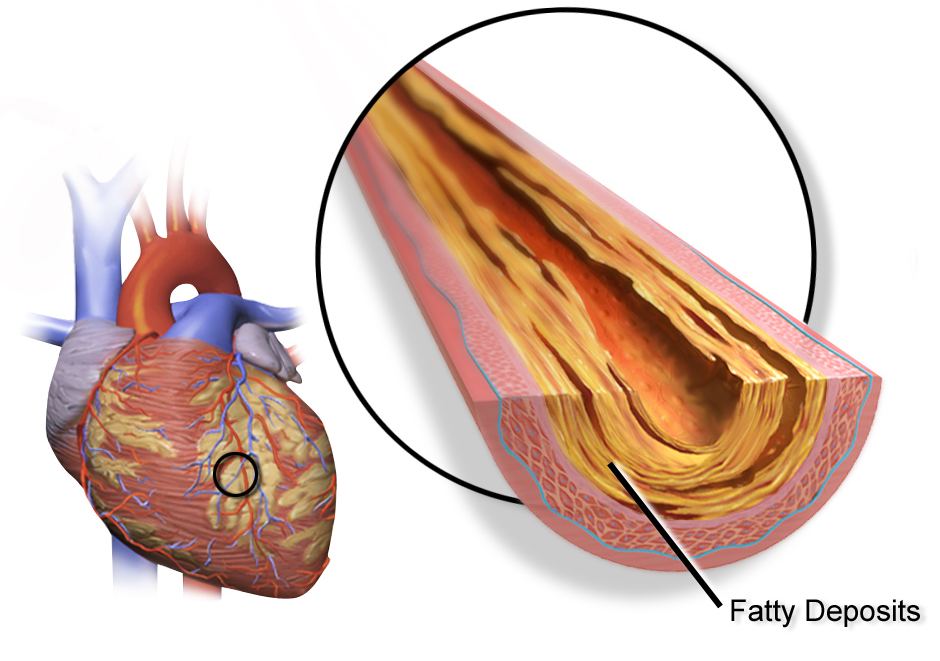
Atherosclerosis is a chronic inflammatory disease characterized by the buildup of atheromatous plaques in arterial walls, leading to narrowing and potential blockage of blood flow. This condition is a major risk factor for coronary artery disease, stroke, peripheral artery disease, and kidney disorders. While the exact cause of atherosclerosis is unknown, risk factors include abnormal cholesterol levels, high blood pressure, diabetes, smoking, obesity, and genetic predisposition. With no symptoms at onset, atherosclerosis can progress unnoticed until severe complications arise, making early detection and prevention crucial. According to the World Health Organization, atherosclerosis is responsible for over 17.9 million deaths worldwide each year, emphasizing the need for awareness and proactive management. The American Heart Association estimates that by 2030, over 40% of the US population will have some form of cardiovascular disease, with atherosclerosis being a primary contributor. As research continues to unravel the complexities of this disease, understanding the role of inflammation and cholesterol in atherosclerosis is vital for developing effective prevention and treatment strategies.
🎵 Origins & History
Atherosclerosis has been recognized as a major health concern for centuries, with ancient Greek physicians such as Hippocrates and Galen describing the condition. However, it wasn't until the 19th century that the term 'atherosclerosis' was coined by German pathologist Friedrich von Recklinghausen. The discovery of the role of cholesterol in atherosclerosis by Rudolf Virchow in the late 19th century marked a significant turning point in understanding the disease. Today, researchers like Dr. Peter Libby continue to advance our knowledge of atherosclerosis, exploring the complex interplay between inflammation, genetics, and lifestyle factors.
⚙️ How It Works
The development of atherosclerosis involves a complex interplay of cellular and molecular mechanisms. The process begins with the accumulation of low-density lipoprotein (LDL) cholesterol in the arterial wall, leading to the formation of foam cells and the initiation of an inflammatory response. As the disease progresses, the buildup of atheromatous plaques can cause narrowing of the arterial lumen, reducing blood flow and increasing the risk of complications. The National Institutes of Health estimates that over 80% of individuals with atherosclerosis have elevated levels of LDL cholesterol, highlighting the importance of cholesterol management in preventing and treating the disease.
📊 Key Facts & Numbers
Atherosclerosis is a leading cause of morbidity and mortality worldwide, with the World Health Organization reporting that it is responsible for over 17.9 million deaths each year. In the United States alone, the Centers for Disease Control and Prevention estimates that over 650,000 people die annually from heart disease, with atherosclerosis being a primary contributor. The economic burden of atherosclerosis is also significant, with the American Heart Association estimating that the annual cost of cardiovascular disease in the US exceeds $300 billion. Researchers like Dr. Valentin Fuster are working to develop more effective treatments and prevention strategies, including the use of statins and lifestyle modification.
👥 Key People & Organizations
Several key people and organizations have made significant contributions to our understanding of atherosclerosis. The American Heart Association has been a leading advocate for cardiovascular health, providing education and resources for individuals at risk of atherosclerosis. Researchers like Dr. Peter Libby and Dr. Valentin Fuster have advanced our knowledge of the disease, exploring the complex interplay between inflammation, genetics, and lifestyle factors. The National Institutes of Health has also played a critical role in funding research and developing new treatments for atherosclerosis.
🌍 Cultural Impact & Influence
Atherosclerosis has had a profound impact on society, with the World Health Organization estimating that it is responsible for over 17.9 million deaths worldwide each year. The economic burden of atherosclerosis is also significant, with the American Heart Association estimating that the annual cost of cardiovascular disease in the US exceeds $300 billion. The disease has also had a significant impact on popular culture, with many celebrities and public figures speaking out about their experiences with atherosclerosis. For example, Billie Jean King has been an advocate for cardiovascular health, using her platform to raise awareness about the importance of heart health.
⚡ Current State & Latest Developments
Current research is focused on developing more effective treatments and prevention strategies for atherosclerosis. The National Institutes of Health is funding studies on the use of statins and lifestyle modification in preventing and treating the disease. Researchers like Dr. Peter Libby and Dr. Valentin Fuster are also exploring the complex interplay between inflammation, genetics, and lifestyle factors. The American Heart Association has also launched initiatives to promote cardiovascular health and reduce the risk of atherosclerosis, including the Heart-Healthy Diet and the Physical Activity Guidelines.
🤔 Controversies & Debates
There are several controversies and debates surrounding atherosclerosis, including the role of cholesterol in the disease. Some researchers argue that the focus on cholesterol has led to an over-reliance on statins and other medications, rather than addressing the underlying lifestyle factors that contribute to the disease. Others argue that the benefits of statins outweigh the risks, and that they should be used more widely to prevent and treat atherosclerosis. The National Institutes of Health has funded studies to explore these controversies and develop more effective treatments for the disease.
🔮 Future Outlook & Predictions
The future outlook for atherosclerosis is complex, with many factors contributing to the development and progression of the disease. Researchers like Dr. Peter Libby and Dr. Valentin Fuster are working to develop more effective treatments and prevention strategies, including the use of personalized medicine and lifestyle modification. The American Heart Association has also launched initiatives to promote cardiovascular health and reduce the risk of atherosclerosis, including the Heart-Healthy Diet and the Physical Activity Guidelines. As our understanding of the disease continues to evolve, it is likely that new treatments and prevention strategies will emerge, offering hope for individuals at risk of atherosclerosis.
💡 Practical Applications
Atherosclerosis has many practical applications, including the development of new treatments and prevention strategies. The National Institutes of Health is funding studies on the use of statins and lifestyle modification in preventing and treating the disease. Researchers like Dr. Peter Libby and Dr. Valentin Fuster are also exploring the complex interplay between inflammation, genetics, and lifestyle factors. The American Heart Association has also launched initiatives to promote cardiovascular health and reduce the risk of atherosclerosis, including the Heart-Healthy Diet and the Physical Activity Guidelines.
Key Facts
- Year
- 2019
- Origin
- Ancient Greece
- Category
- chronic-conditions
- Type
- disease
Frequently Asked Questions
What is atherosclerosis?
Atherosclerosis is a chronic inflammatory disease characterized by the buildup of atheromatous plaques in arterial walls, leading to narrowing and potential blockage of blood flow. The disease is a major risk factor for coronary artery disease, stroke, peripheral artery disease, and kidney disorders. According to the World Health Organization, atherosclerosis is responsible for over 17.9 million deaths worldwide each year. Researchers like Dr. Peter Libby and Dr. Valentin Fuster are working to develop more effective treatments and prevention strategies for the disease.
What are the risk factors for atherosclerosis?
The risk factors for atherosclerosis include abnormal cholesterol levels, high blood pressure, diabetes, smoking, obesity, and genetic predisposition. The American Heart Association estimates that over 80% of individuals with atherosclerosis have elevated levels of LDL cholesterol, highlighting the importance of cholesterol management in preventing and treating the disease. Researchers like Dr. Peter Libby and Dr. Valentin Fuster are working to develop more effective treatments and prevention strategies for the disease, including the use of statins and lifestyle modification.
How is atherosclerosis diagnosed?
Atherosclerosis is typically diagnosed using a combination of physical examination, medical history, and diagnostic tests such as angiography and ultrasound. The National Institutes of Health recommends that individuals at risk of atherosclerosis undergo regular screening and monitoring to detect the disease early and prevent complications. Researchers like Dr. Peter Libby and Dr. Valentin Fuster are working to develop more effective diagnostic tools and treatments for the disease.
What are the treatment options for atherosclerosis?
The treatment options for atherosclerosis include lifestyle modification, medication, and surgery. The American Heart Association recommends a heart-healthy diet and regular physical activity to reduce the risk of atherosclerosis. Medications such as statins and beta-blockers may also be prescribed to lower cholesterol and blood pressure. In severe cases, surgery may be necessary to remove blockages or repair damaged arteries. Researchers like Dr. Peter Libby and Dr. Valentin Fuster are working to develop more effective treatments and prevention strategies for the disease.
Can atherosclerosis be prevented?
Yes, atherosclerosis can be prevented or delayed by adopting a heart-healthy lifestyle, including a healthy diet, regular physical activity, and not smoking. The World Health Organization recommends a diet low in saturated fats and high in fruits, vegetables, and whole grains to reduce the risk of atherosclerosis. Researchers like Dr. Peter Libby and Dr. Valentin Fuster are working to develop more effective prevention strategies for the disease, including the use of personalized medicine and lifestyle modification.
What is the prognosis for atherosclerosis?
The prognosis for atherosclerosis depends on the severity of the disease and the effectiveness of treatment. With early detection and treatment, it is possible to slow or stop the progression of atherosclerosis and reduce the risk of complications. The National Institutes of Health estimates that over 80% of individuals with atherosclerosis can be treated effectively with lifestyle modification and medication. Researchers like Dr. Peter Libby and Dr. Valentin Fuster are working to develop more effective treatments and prevention strategies for the disease, including the use of statins and lifestyle modification.
What are the latest developments in atherosclerosis research?
The latest developments in atherosclerosis research include the use of personalized medicine and lifestyle modification to prevent and treat the disease. Researchers like Dr. Peter Libby and Dr. Valentin Fuster are working to develop more effective treatments and prevention strategies for the disease, including the use of statins and lifestyle modification. The American Heart Association has also launched initiatives to promote cardiovascular health and reduce the risk of atherosclerosis, including the Heart-Healthy Diet and the Physical Activity Guidelines.