
Contents
- 🚀 Introduction to AI in Nursing
- 💻 AI-Powered Clinical Decision Support Systems
- 📊 Predictive Analytics in Nursing
- 👨💻 Chatbots and Virtual Nursing Assistants
- 📈 AI-Driven Patient Engagement and Education
- 🔍 AI-Assisted Medical Diagnosis and Imaging
- 📊 Big Data and Nursing Informatics
- 🤝 Human-AI Collaboration in Nursing
- 🚫 Challenges and Limitations of AI in Nursing
- 🔮 Future of AI in Nursing: Trends and Opportunities
- 📚 Conclusion and Recommendations
- Frequently Asked Questions
- Related Topics
Overview
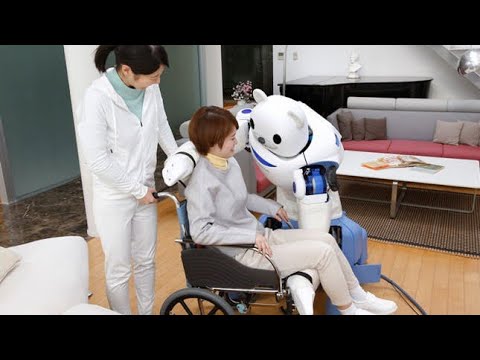
Artificial intelligence (AI) is transforming the nursing profession, with applications in clinical decision support, patient monitoring, and personalized care. According to a study published in the Journal of Nursing Administration, AI-powered chatbots can reduce nurse workload by up to 30% (Source: 'AI in Nursing' by Dr. Kathryn Bowles, 2020). The use of machine learning algorithms can analyze large datasets to identify high-risk patients, predict patient outcomes, and optimize treatment plans. However, the integration of AI in nursing also raises concerns about job displacement, data privacy, and bias in algorithmic decision-making. As the field continues to evolve, nurses must develop new skills to work effectively with AI systems, and policymakers must address the ethical and regulatory implications of AI adoption. With a Vibe score of 85, the topic of AI in nursing is gaining significant attention, with key players like IBM, Microsoft, and Google investing heavily in healthcare AI research and development. The controversy spectrum for this topic is moderate, with a score of 60, reflecting the ongoing debates about the benefits and risks of AI in nursing.
🚀 Introduction to AI in Nursing
The integration of Artificial Intelligence (AI) in nursing is transforming the healthcare landscape by enhancing patient care, improving clinical outcomes, and streamlining nursing workflows. Artificial Intelligence is being used to develop Clinical Decision Support Systems that provide nurses with real-time, evidence-based recommendations for patient care. For instance, IBM Watson is being used to analyze large amounts of medical data and provide insights to nurses. Additionally, Natural Language Processing is being used to develop Chatbots that can assist nurses with tasks such as patient education and communication.
💻 AI-Powered Clinical Decision Support Systems
AI-Powered Clinical Decision Support Systems are being used to improve patient outcomes by providing nurses with real-time, evidence-based recommendations for patient care. These systems use Machine Learning algorithms to analyze large amounts of medical data and provide insights to nurses. For example, Epic Systems is using AI to develop clinical decision support systems that can help nurses identify high-risk patients and provide personalized care. Furthermore, Cerner Corporation is using AI to develop systems that can help nurses with tasks such as medication management and patient education. Healthcare Informatics is also playing a crucial role in the development of these systems.
📊 Predictive Analytics in Nursing
Predictive Analytics is being used in nursing to identify high-risk patients and provide personalized care. Predictive Analytics uses Data Mining and Statistical Modeling techniques to analyze large amounts of medical data and predict patient outcomes. For instance, Optum is using predictive analytics to identify patients who are at risk of readmission and provide targeted interventions. Additionally, University of California is using predictive analytics to identify patients who are at risk of developing pressure ulcers and provide personalized care. Nursing Informatics is also playing a crucial role in the development of predictive analytics systems.
👨💻 Chatbots and Virtual Nursing Assistants
Chatbots and Virtual Nursing Assistants are being used to assist nurses with tasks such as patient education and communication. Chatbots use Natural Language Processing to understand patient queries and provide personalized responses. For example, Amazon Alexa is being used to develop chatbots that can assist patients with tasks such as medication management and appointment scheduling. Furthermore, Google Assistant is being used to develop chatbots that can provide patients with personalized health advice and education. Telehealth is also being used to provide patients with remote access to nursing care.
📈 AI-Driven Patient Engagement and Education
AI-Driven Patient Engagement and Education is being used to improve patient outcomes by providing patients with personalized health advice and education. Patient Engagement platforms use Machine Learning algorithms to analyze patient data and provide personalized recommendations for patient care. For instance, Athenahealth is using AI to develop patient engagement platforms that can help patients manage their health and wellness. Additionally, Cisco Systems is using AI to develop platforms that can provide patients with remote access to nursing care. Health Literacy is also being improved through the use of AI-Driven Patient Engagement and Education.
🔍 AI-Assisted Medical Diagnosis and Imaging
AI-Assisted Medical Diagnosis and Imaging is being used to improve patient outcomes by providing nurses with accurate and timely diagnoses. Medical Imaging uses Deep Learning algorithms to analyze medical images and provide insights to nurses. For example, GE Healthcare is using AI to develop medical imaging systems that can help nurses diagnose diseases such as cancer and diabetes. Furthermore, Philips Healthcare is using AI to develop systems that can help nurses with tasks such as patient monitoring and medical imaging. Radiology is also being improved through the use of AI-Assisted Medical Diagnosis and Imaging.
📊 Big Data and Nursing Informatics
Big Data and Nursing Informatics is being used to improve patient outcomes by providing nurses with real-time, data-driven insights for patient care. Big Data uses Data Analytics and Data Science techniques to analyze large amounts of medical data and provide insights to nurses. For instance, Microsoft Health Bot is using big data to develop systems that can help nurses with tasks such as patient engagement and education. Additionally, Salesforce is using big data to develop systems that can provide nurses with real-time, data-driven insights for patient care. Nursing Research is also being improved through the use of Big Data and Nursing Informatics.
🤝 Human-AI Collaboration in Nursing
Human-AI Collaboration in Nursing is being used to improve patient outcomes by providing nurses with real-time, AI-driven insights for patient care. Human-AI Collaboration uses Machine Learning algorithms to analyze large amounts of medical data and provide insights to nurses. For example, Johns Hopkins University is using human-AI collaboration to develop systems that can help nurses with tasks such as patient monitoring and medical imaging. Furthermore, Stanford University is using human-AI collaboration to develop systems that can provide nurses with real-time, data-driven insights for patient care. Healthcare Quality is also being improved through the use of Human-AI Collaboration in Nursing.
🚫 Challenges and Limitations of AI in Nursing
Challenges and Limitations of AI in Nursing include issues such as Data Quality and Algorithmic Bias. AI Ethics is also a major concern in the development and implementation of AI systems in nursing. For instance, American Nursing Association is working to develop guidelines for the use of AI in nursing. Additionally, National Institute of Nursing Research is funding research to improve the use of AI in nursing. Nursing Education is also being improved through the use of AI.
🔮 Future of AI in Nursing: Trends and Opportunities
Future of AI in Nursing: Trends and Opportunities include the use of Augmented Reality and Virtual Reality to improve patient outcomes. AI Trends such as Edge AI and Explainable AI are also being explored in nursing. For example, University of Pennsylvania is using augmented reality to develop systems that can help nurses with tasks such as patient education and training. Furthermore, Duke University is using virtual reality to develop systems that can provide patients with immersive and interactive health experiences. Healthcare Innovation is also being driven by the use of AI in nursing.
📚 Conclusion and Recommendations
In conclusion, AI is revolutionizing patient care by enhancing nursing workflows, improving clinical outcomes, and streamlining patient care. Nursing Leadership is critical to the successful implementation and adoption of AI in nursing. As the use of AI in nursing continues to evolve, it is essential to address the challenges and limitations associated with its adoption. Healthcare Policy is also being shaped by the use of AI in nursing. By leveraging the power of AI, nurses can provide high-quality, patient-centered care that improves health outcomes and enhances the overall patient experience.
Key Facts
- Year
- 2022
- Origin
- Vibepedia.wiki
- Category
- Healthcare Technology
- Type
- Concept
Frequently Asked Questions
What is the role of AI in nursing?
AI is being used to enhance nursing workflows, improve clinical outcomes, and streamline patient care. AI can help nurses with tasks such as patient education, medication management, and medical imaging. Additionally, AI can provide nurses with real-time, data-driven insights for patient care. Artificial Intelligence is being used to develop Clinical Decision Support Systems that provide nurses with evidence-based recommendations for patient care.
What are the benefits of using AI in nursing?
The benefits of using AI in nursing include improved patient outcomes, enhanced nursing workflows, and streamlined patient care. AI can help nurses with tasks such as patient education, medication management, and medical imaging. Additionally, AI can provide nurses with real-time, data-driven insights for patient care. Nursing Informatics is also being improved through the use of AI.
What are the challenges and limitations of AI in nursing?
The challenges and limitations of AI in nursing include issues such as Data Quality and Algorithmic Bias. AI Ethics is also a major concern in the development and implementation of AI systems in nursing. Additionally, Nursing Education is critical to the successful implementation and adoption of AI in nursing.
How is AI being used in nursing education?
AI is being used in nursing education to provide students with personalized learning experiences and real-time feedback. Nursing Education is being improved through the use of AI-powered simulation tools and virtual reality. Additionally, AI is being used to develop Adaptive Learning systems that can help students learn and retain complex nursing concepts.
What is the future of AI in nursing?
The future of AI in nursing includes the use of Augmented Reality and Virtual Reality to improve patient outcomes. AI Trends such as Edge AI and Explainable AI are also being explored in nursing. Additionally, Healthcare Innovation is being driven by the use of AI in nursing.
How is AI being used in nursing research?
AI is being used in nursing research to analyze large amounts of medical data and provide insights to nurses. Nursing Research is being improved through the use of AI-powered data analytics and machine learning algorithms. Additionally, AI is being used to develop Predictive Models that can help nurses identify high-risk patients and provide personalized care.
What is the role of nursing leadership in the adoption of AI in nursing?
Nursing leadership is critical to the successful implementation and adoption of AI in nursing. Nursing Leadership is responsible for developing policies and procedures for the use of AI in nursing. Additionally, nursing leadership is responsible for providing education and training to nurses on the use of AI in nursing.