
Contents
- 📚 Introduction to Antitrust Legislation
- 🏛️ History of Antitrust Laws in the United States
- 📊 The Sherman Act: Cornerstone of Antitrust Law
- 🤝 The Clayton Act: Mergers and Acquisitions
- 🚫 Monopolization and Its Consequences
- 📈 The Role of the Federal Trade Commission
- 🌐 International Antitrust Cooperation
- 📊 Enforcement and Penalties
- 👥 Key Players in Antitrust Legislation
- 📝 Current Debates and Challenges
- 🔮 The Future of Antitrust Legislation
- 📊 Conclusion: Balancing Market Power
- Frequently Asked Questions
- Related Topics
Overview
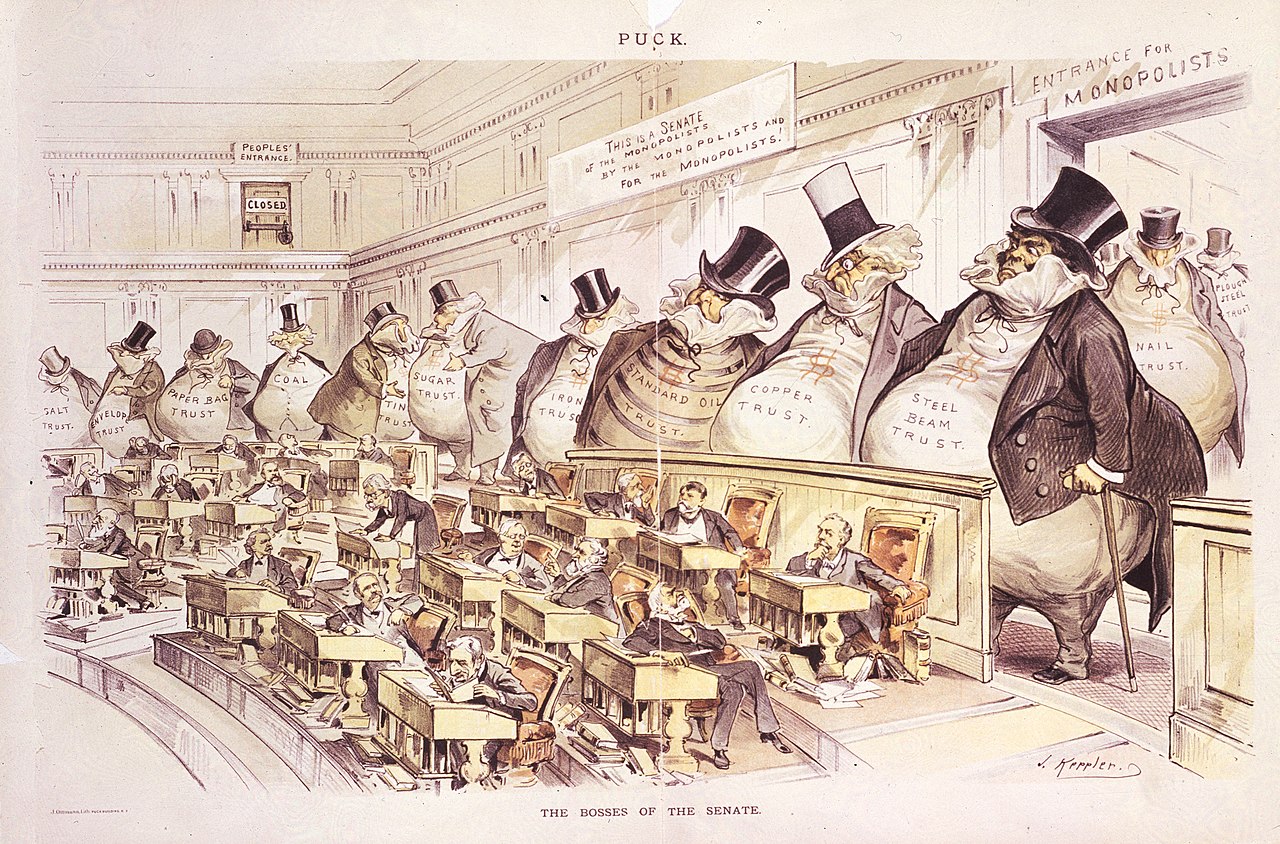
Antitrust legislation has been a cornerstone of economic policy for over a century, with the Sherman Act of 1890 marking the beginning of a long and contentious journey to promote competition and prevent monopolies. The historian's lens reveals a complex interplay between government, corporations, and consumer interests, with landmark cases like Standard Oil (1911) and Microsoft (2001) shaping the landscape. However, the skeptic's perspective questions the effectiveness of current laws in addressing the challenges posed by digital giants like Google, Amazon, and Facebook, with some arguing that the existing framework is outdated and in need of significant reform. As the fan of competitive markets, one cannot help but feel the cultural resonance of antitrust legislation, which has been influenced by key figures like Senator John Sherman and Judge Louis Brandeis. From an engineering perspective, the intricacies of antitrust law are a marvel, with economists and lawyers working together to craft policies that balance innovation with consumer protection. Looking to the future, the futurist's lens predicts a continued escalation of tensions between tech companies and regulatory bodies, with the European Union's General Data Protection Regulation (GDPR) and the US's proposed American Innovation and Choice Online Act setting the stage for a global showdown over the future of competition. With a vibe rating of 8, antitrust legislation is an increasingly contentious and high-stakes topic, with far-reaching implications for the global economy and society as a whole.
📚 Introduction to Antitrust Legislation
The concept of antitrust legislation has been a cornerstone of economic policy in the United States for over a century. The primary goal of antitrust law is to promote competition and prevent monopolies, ensuring that businesses operate fairly and do not harm consumers. To understand the complexities of antitrust legislation, it is essential to explore its history and evolution, including the Sherman Act and the Clayton Act. The Federal Trade Commission plays a crucial role in enforcing antitrust laws, and its actions have significant implications for businesses and consumers alike. As the global economy continues to evolve, the importance of antitrust legislation will only continue to grow, with international cooperation becoming increasingly vital.
🏛️ History of Antitrust Laws in the United States
The history of antitrust laws in the United States is a rich and complex one, with the Sherman Act of 1890 being a landmark piece of legislation. This act prohibited price fixing and the operation of cartels, and it has had a lasting impact on the way businesses operate in the United States. The Clayton Act of 1914 further strengthened antitrust laws, restricting mergers and acquisitions that could substantially lessen competition. The Federal Trade Commission Act of 1914 established the Federal Trade Commission, which has played a crucial role in enforcing antitrust laws. As the US economy has evolved, so too have the challenges facing antitrust regulators, including the rise of big tech companies and the need for international cooperation.
📊 The Sherman Act: Cornerstone of Antitrust Law
The Sherman Act is the cornerstone of antitrust law in the United States, and its provisions have had a profound impact on the way businesses operate. Section 1 of the Sherman Act prohibits price fixing and the operation of cartels, while Section 2 prohibits monopolization. These provisions have been used to break up monopolies and prevent anti-competitive practices, promoting competition and innovation in the process. The Clayton Act and the Federal Trade Commission Act have further strengthened antitrust laws, providing regulators with the tools they need to promote competition and prevent monopolies. As the economy continues to evolve, the Sherman Act remains a vital piece of legislation, with its provisions being used to address the challenges posed by big tech companies and other dominant players.
🤝 The Clayton Act: Mergers and Acquisitions
The Clayton Act is a critical piece of antitrust legislation, restricting mergers and acquisitions that could substantially lessen competition or tend to create a monopoly. Section 7 of the Clayton Act is particularly important, as it provides regulators with the authority to review and block mergers that could harm competition. The Federal Trade Commission plays a crucial role in enforcing the Clayton Act, working to prevent anti-competitive practices and promote competition. The Sherman Act and the Federal Trade Commission Act are also essential components of the antitrust landscape, providing regulators with the tools they need to address the challenges posed by big tech companies and other dominant players. As the global economy continues to evolve, the importance of the Clayton Act will only continue to grow, with international cooperation becoming increasingly vital.
🚫 Monopolization and Its Consequences
Monopolization is a significant concern in the context of antitrust legislation, as it can lead to higher prices, reduced innovation, and decreased competition. The Sherman Act prohibits monopolization, and regulators have used this provision to break up monopolies and prevent anti-competitive practices. The Clayton Act and the Federal Trade Commission Act have further strengthened antitrust laws, providing regulators with the tools they need to promote competition and prevent monopolies. As the economy continues to evolve, the challenges posed by monopolization will only continue to grow, with big tech companies and other dominant players posing significant risks to competition. The Federal Trade Commission will play a crucial role in addressing these challenges, working to promote competition and prevent anti-competitive practices.
📈 The Role of the Federal Trade Commission
The Federal Trade Commission plays a vital role in enforcing antitrust laws, working to promote competition and prevent anti-competitive practices. The FTC has the authority to investigate and prosecute violations of antitrust laws, and it has used this authority to address the challenges posed by big tech companies and other dominant players. The Sherman Act, the Clayton Act, and the Federal Trade Commission Act provide the FTC with the tools it needs to promote competition and prevent monopolies. As the global economy continues to evolve, the importance of the Federal Trade Commission will only continue to grow, with international cooperation becoming increasingly vital. The FTC will need to work closely with other regulators and stakeholders to address the challenges posed by globalization and the rise of big tech.
🌐 International Antitrust Cooperation
International antitrust cooperation is becoming increasingly important, as businesses operate in a global economy. The Federal Trade Commission and other regulators are working to promote cooperation and coordination among antitrust authorities around the world. The Sherman Act, the Clayton Act, and the Federal Trade Commission Act provide a framework for international cooperation, and regulators are using these laws to address the challenges posed by globalization. As the global economy continues to evolve, the importance of international antitrust cooperation will only continue to grow, with big tech companies and other dominant players posing significant risks to competition. The Federal Trade Commission will need to work closely with other regulators and stakeholders to address these challenges and promote competition.
📊 Enforcement and Penalties
Enforcement and penalties are critical components of antitrust legislation, providing regulators with the tools they need to promote competition and prevent anti-competitive practices. The Federal Trade Commission has the authority to investigate and prosecute violations of antitrust laws, and it has used this authority to address the challenges posed by big tech companies and other dominant players. The Sherman Act, the Clayton Act, and the Federal Trade Commission Act provide a framework for enforcement and penalties, and regulators are using these laws to promote competition and prevent monopolies. As the economy continues to evolve, the importance of enforcement and penalties will only continue to grow, with international cooperation becoming increasingly vital. The Federal Trade Commission will need to work closely with other regulators and stakeholders to address the challenges posed by globalization and the rise of big tech.
👥 Key Players in Antitrust Legislation
The Federal Trade Commission is not the only player in the antitrust landscape, as other regulators and stakeholders also play important roles. The Department of Justice is responsible for enforcing antitrust laws, and it has worked closely with the FTC to address the challenges posed by big tech companies and other dominant players. The Sherman Act, the Clayton Act, and the Federal Trade Commission Act provide a framework for cooperation among regulators, and stakeholders are using these laws to promote competition and prevent anti-competitive practices. As the economy continues to evolve, the importance of cooperation among regulators and stakeholders will only continue to grow, with international cooperation becoming increasingly vital. The Federal Trade Commission will need to work closely with other regulators and stakeholders to address the challenges posed by globalization and the rise of big tech.
📝 Current Debates and Challenges
Current debates and challenges in the context of antitrust legislation are numerous, with big tech companies and other dominant players posing significant risks to competition. The Federal Trade Commission and other regulators are working to address these challenges, using the Sherman Act, the Clayton Act, and the Federal Trade Commission Act to promote competition and prevent anti-competitive practices. As the economy continues to evolve, the importance of addressing these challenges will only continue to grow, with international cooperation becoming increasingly vital. The Federal Trade Commission will need to work closely with other regulators and stakeholders to address the challenges posed by globalization and the rise of big tech.
🔮 The Future of Antitrust Legislation
The future of antitrust legislation is uncertain, as the economy continues to evolve and new challenges emerge. The Federal Trade Commission and other regulators will need to adapt to these changes, using the Sherman Act, the Clayton Act, and the Federal Trade Commission Act to promote competition and prevent anti-competitive practices. As the global economy continues to grow and become more interconnected, the importance of antitrust legislation will only continue to grow, with international cooperation becoming increasingly vital. The Federal Trade Commission will need to work closely with other regulators and stakeholders to address the challenges posed by globalization and the rise of big tech.
📊 Conclusion: Balancing Market Power
In conclusion, antitrust legislation is a critical component of economic policy, promoting competition and preventing monopolies. The Sherman Act, the Clayton Act, and the Federal Trade Commission Act provide a framework for antitrust law, and regulators are using these laws to address the challenges posed by big tech companies and other dominant players. As the economy continues to evolve, the importance of antitrust legislation will only continue to grow, with international cooperation becoming increasingly vital. The Federal Trade Commission will need to work closely with other regulators and stakeholders to address the challenges posed by globalization and the rise of big tech.
Key Facts
- Year
- 1890
- Origin
- United States
- Category
- Law and Economics
- Type
- Legislation
Frequently Asked Questions
What is the primary goal of antitrust legislation?
The primary goal of antitrust legislation is to promote competition and prevent monopolies, ensuring that businesses operate fairly and do not harm consumers. The Sherman Act, the Clayton Act, and the Federal Trade Commission Act provide a framework for antitrust law, and regulators are using these laws to address the challenges posed by big tech companies and other dominant players. As the economy continues to evolve, the importance of antitrust legislation will only continue to grow, with international cooperation becoming increasingly vital.
What is the role of the Federal Trade Commission in enforcing antitrust laws?
The Federal Trade Commission plays a vital role in enforcing antitrust laws, working to promote competition and prevent anti-competitive practices. The FTC has the authority to investigate and prosecute violations of antitrust laws, and it has used this authority to address the challenges posed by big tech companies and other dominant players. The Sherman Act, the Clayton Act, and the Federal Trade Commission Act provide a framework for the FTC's enforcement activities.
What are the key challenges facing antitrust regulators today?
The key challenges facing antitrust regulators today include the rise of big tech companies and other dominant players, which pose significant risks to competition. The Federal Trade Commission and other regulators are working to address these challenges, using the Sherman Act, the Clayton Act, and the Federal Trade Commission Act to promote competition and prevent anti-competitive practices. As the economy continues to evolve, the importance of addressing these challenges will only continue to grow, with international cooperation becoming increasingly vital.
How does international cooperation fit into the antitrust landscape?
International cooperation is becoming increasingly important in the antitrust landscape, as businesses operate in a global economy. The Federal Trade Commission and other regulators are working to promote cooperation and coordination among antitrust authorities around the world. The Sherman Act, the Clayton Act, and the Federal Trade Commission Act provide a framework for international cooperation, and regulators are using these laws to address the challenges posed by globalization.
What is the future of antitrust legislation?
The future of antitrust legislation is uncertain, as the economy continues to evolve and new challenges emerge. The Federal Trade Commission and other regulators will need to adapt to these changes, using the Sherman Act, the Clayton Act, and the Federal Trade Commission Act to promote competition and prevent anti-competitive practices. As the global economy continues to grow and become more interconnected, the importance of antitrust legislation will only continue to grow, with international cooperation becoming increasingly vital.