
Contents
- 🦁 Introduction to Animal Motifs
- 🐯 Historical Significance of Animal Symbols
- 🦊 Cultural Variations in Animal Motifs
- 🐴 Power and Identity in Animal Motifs
- 🦔 Symbolism in Modern Art and Culture
- 🐲 Animal Motifs in Literature and Storytelling
- 🦇 The Psychology of Animal Motifs
- 🐺 Conservation and Animal Motifs
- 🐳 The Future of Animal Motifs in Art and Culture
- 🦌 Conclusion: The Enduring Power of Animal Motifs
- Frequently Asked Questions
- Related Topics
Overview
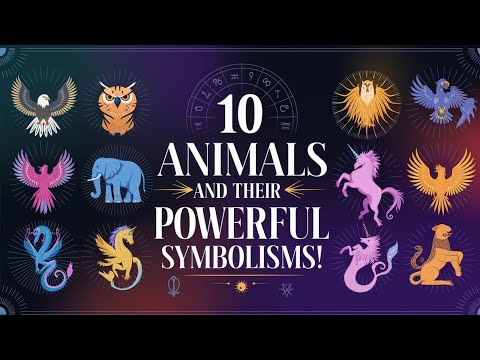
Animal motifs have been a cornerstone of human expression, appearing in ancient cave paintings, modern art, and even corporate branding. From the regal lions of ancient Egypt to the cunning foxes of Japanese folklore, these symbols convey complex meanings and emotions. The use of animal motifs in design and art can evoke feelings of national pride, spiritual connection, or even commercial appeal. For instance, the iconic logo of the Peugeot car company features a lion, symbolizing strength and agility. However, the cultural significance of animal motifs can also be contested, with some arguing that they perpetuate harmful stereotypes or cultural appropriation. With a vibe score of 8, animal motifs continue to inspire and provoke, inviting us to explore their rich history and multifaceted meanings. As we move forward, it will be fascinating to see how animal motifs evolve in the digital age, potentially incorporating new technologies and perspectives. The influence of animal motifs can be seen in various entities, including the works of artists like Henri Rousseau and companies like Lacoste, which has built its brand around the iconic crocodile logo.
🦁 Introduction to Animal Motifs
The use of animal motifs in art and culture is a timeless and universal phenomenon, with examples found in ancient civilizations such as Ancient Egypt and Mesopotamia. These motifs have been used to convey a range of meanings, from symbolic representations of power and strength to more nuanced explorations of human identity and emotion. In many indigenous cultures, animal motifs are used in totemism and shamanism to connect with the natural world and access spiritual power. The study of animal motifs is a rich and complex field, drawing on insights from anthropology, art history, and psychology. As we explore the world of animal motifs, we find ourselves drawn into a realm of mythology and folklore, where the boundaries between human and animal are blurred and the imagination knows no limits.
🐯 Historical Significance of Animal Symbols
The historical significance of animal symbols can be seen in the many cultures that have used them to represent power and status. In ancient Greece, for example, the lion was a symbol of royalty and courage, while in China, the dragon was a symbol of imperial power and good fortune. The use of animal motifs in heraldry and coats of arms is another example of how these symbols have been used to convey meaning and identity. The study of animal motifs in history is a fascinating field, with many examples of how these symbols have been used to shape cultural and social norms. From the lion-headed goddesses of ancient Egypt to the dragon-slaying heroes of medieval Europe, animal motifs have played a significant role in shaping our understanding of the world and our place within it. As we explore the history of animal motifs, we find ourselves drawn into a world of legend and myth, where the boundaries between reality and fantasy are blurred.
🦊 Cultural Variations in Animal Motifs
Cultural variations in animal motifs are a reflection of the diversity and complexity of human culture. In many indigenous cultures, animal motifs are used to represent ancestors and spirits, and are often used in rituals and ceremonies to connect with the natural world. In other cultures, animal motifs are used to represent good luck and prosperity, and are often used in art and literature to convey positive messages. The study of cultural variations in animal motifs is a rich and rewarding field, with many examples of how these symbols have been used to shape cultural and social norms. From the tiger-headed gods of ancient India to the eagle-headed gods of ancient Mexico, animal motifs have played a significant role in shaping our understanding of the world and our place within it. As we explore the cultural variations in animal motifs, we find ourselves drawn into a world of diversity and complexity, where the boundaries between culture and nature are blurred.
🐴 Power and Identity in Animal Motifs
The use of animal motifs to represent power and identity is a common theme in many cultures. In ancient Rome, for example, the eagle was a symbol of imperial power and strength, while in Japan, the dragon is a symbol of good luck and prosperity. The use of animal motifs in fashion and design is another example of how these symbols have been used to convey meaning and identity. From the snake-skin boots of the punk rock movement to the tiger-striped shirts of the hip hop movement, animal motifs have played a significant role in shaping our understanding of style and identity. As we explore the use of animal motifs in fashion and design, we find ourselves drawn into a world of self-expression and creativity, where the boundaries between art and reality are blurred. The study of animal motifs in fashion and design is a fascinating field, with many examples of how these symbols have been used to shape cultural and social norms. For more information, see fashion theory and design theory.
🦔 Symbolism in Modern Art and Culture
The use of animal motifs in modern art and culture is a reflection of our ongoing fascination with the natural world. From the surrealist paintings of Salvador Dali to the street art of Banksy, animal motifs have played a significant role in shaping our understanding of the world and our place within it. The use of animal motifs in film and television is another example of how these symbols have been used to convey meaning and identity. From the lion-headed gods of ancient Egypt to the dragon-slaying heroes of medieval Europe, animal motifs have played a significant role in shaping our understanding of the world and our place within it. As we explore the use of animal motifs in modern art and culture, we find ourselves drawn into a world of imagination and creativity, where the boundaries between reality and fantasy are blurred. For more information, see art history and pop culture.
🐲 Animal Motifs in Literature and Storytelling
The use of animal motifs in literature and storytelling is a common theme in many cultures. From the fables of Aesop to the fantasy novels of J.R.R. Tolkien, animal motifs have played a significant role in shaping our understanding of the world and our place within it. The use of animal motifs in mythology and folklore is another example of how these symbols have been used to convey meaning and identity. From the dragon-slaying heroes of medieval Europe to the phoenix-like birds of ancient Egypt, animal motifs have played a significant role in shaping our understanding of the world and our place within it. As we explore the use of animal motifs in literature and storytelling, we find ourselves drawn into a world of imagination and creativity, where the boundaries between reality and fantasy are blurred. For more information, see literary theory and narrative theory.
🦇 The Psychology of Animal Motifs
The psychology of animal motifs is a fascinating field, with many examples of how these symbols have been used to shape our understanding of the world and our place within it. From the Freudian concept of the id to the Jungian concept of the collective unconscious, animal motifs have played a significant role in shaping our understanding of the human psyche. The use of animal motifs in dream analysis and symbolism is another example of how these symbols have been used to convey meaning and identity. As we explore the psychology of animal motifs, we find ourselves drawn into a world of subconscious thoughts and unconscious desires, where the boundaries between reality and fantasy are blurred. For more information, see psychology and psychoanalysis.
🐺 Conservation and Animal Motifs
The relationship between animal motifs and conservation is a complex and multifaceted one. On the one hand, the use of animal motifs in art and culture can help to raise awareness about the importance of conservation and the need to protect endangered species. On the other hand, the use of animal motifs in fashion and design can also contribute to the exploitation and mistreatment of animals. As we explore the relationship between animal motifs and conservation, we find ourselves drawn into a world of environmentalism and sustainability, where the boundaries between human and animal are blurred. For more information, see conservation biology and environmental studies.
🐳 The Future of Animal Motifs in Art and Culture
The future of animal motifs in art and culture is a topic of much debate and speculation. As we move forward into a world of increasing globalization and technological advancement, it is likely that animal motifs will continue to play a significant role in shaping our understanding of the world and our place within it. From the virtual reality landscapes of the future to the science fiction novels of tomorrow, animal motifs will continue to inspire and captivate us. As we explore the future of animal motifs, we find ourselves drawn into a world of innovation and creativity, where the boundaries between reality and fantasy are blurred. For more information, see futurism and speculative design.
🦌 Conclusion: The Enduring Power of Animal Motifs
In conclusion, the use of animal motifs in art and culture is a timeless and universal phenomenon, with examples found in ancient civilizations and modern societies alike. From the lion-headed gods of ancient Egypt to the dragon-slaying heroes of medieval Europe, animal motifs have played a significant role in shaping our understanding of the world and our place within it. As we move forward into a world of increasing globalization and technological advancement, it is likely that animal motifs will continue to inspire and captivate us. For more information, see art history and cultural studies.
Key Facts
- Year
- 2023
- Origin
- Ancient Civilizations
- Category
- Art and Culture
- Type
- Cultural Concept
Frequently Asked Questions
What is the significance of animal motifs in art and culture?
Animal motifs have been used to convey a range of meanings, from symbolic representations of power and strength to more nuanced explorations of human identity and emotion. They have played a significant role in shaping our understanding of the world and our place within it. For more information, see symbolism and art history.
How have animal motifs been used in different cultures?
Animal motifs have been used in many different cultures, from the lion-headed gods of ancient Egypt to the dragon-slaying heroes of medieval Europe. They have been used to represent power and status, as well as to convey meaning and identity. For more information, see cultural variations and anthropology.
What is the psychology of animal motifs?
The psychology of animal motifs is a fascinating field, with many examples of how these symbols have been used to shape our understanding of the world and our place within it. From the Freudian concept of the id to the Jungian concept of the collective unconscious, animal motifs have played a significant role in shaping our understanding of the human psyche. For more information, see psychology and psychoanalysis.
How do animal motifs relate to conservation?
The relationship between animal motifs and conservation is a complex and multifaceted one. On the one hand, the use of animal motifs in art and culture can help to raise awareness about the importance of conservation and the need to protect endangered species. On the other hand, the use of animal motifs in fashion and design can also contribute to the exploitation and mistreatment of animals. For more information, see conservation biology and environmental studies.
What is the future of animal motifs in art and culture?
The future of animal motifs in art and culture is a topic of much debate and speculation. As we move forward into a world of increasing globalization and technological advancement, it is likely that animal motifs will continue to play a significant role in shaping our understanding of the world and our place within it. For more information, see futurism and speculative design.
How can I learn more about animal motifs?
There are many ways to learn more about animal motifs, from reading books and articles to exploring museums and galleries. You can also learn more by taking courses in art history, cultural studies, and psychology. For more information, see art history and cultural studies.
What are some examples of animal motifs in modern art and culture?
There are many examples of animal motifs in modern art and culture, from the surrealist paintings of Salvador Dali to the street art of Banksy. Animal motifs have also been used in film and television, from the lion-headed gods of ancient Egypt to the dragon-slaying heroes of medieval Europe. For more information, see modern art and pop culture.