
Contents
- 🎯 Introduction to Anesthesiology
- ⚙️ The Role of an Anesthesiologist
- 📊 Key Statistics and Trends
- 👥 Notable Anesthesiologists and Organizations
- 🌍 Global Impact and Cultural Significance
- ⚡ Current Advances and Future Directions
- 🤔 Challenges and Controversies
- 🔮 The Future of Anesthesiology
- 💡 Practical Applications and Patient Resources
- 📚 Related Topics and Further Reading
- Frequently Asked Questions
- References
- Related Topics
Overview
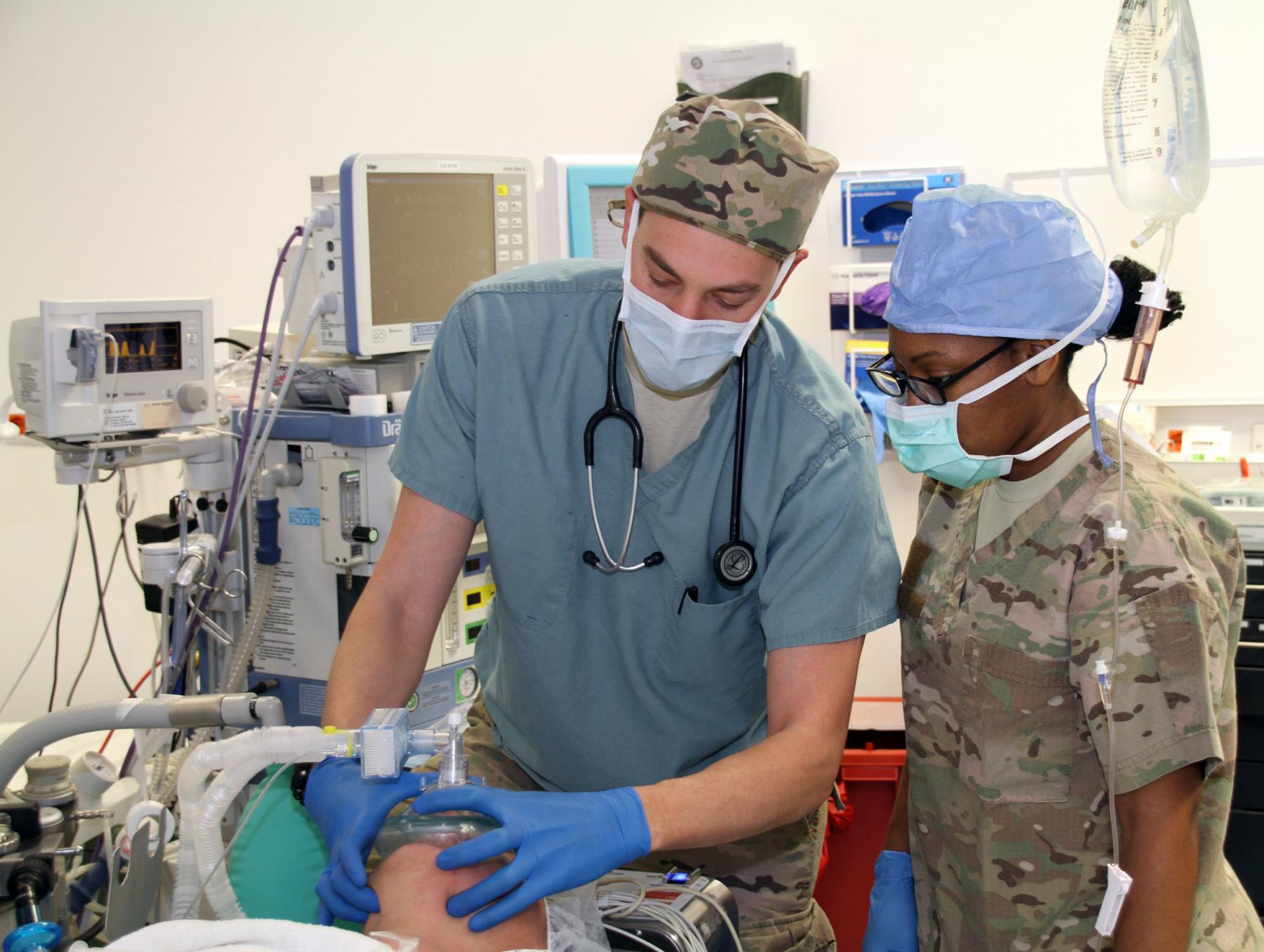
An anesthesiologist is a medical doctor who specializes in the administration of anesthesia and the management of pain, as well as the care of patients before, during, and after surgery. With a rich history dating back to the 19th century, anesthesiology has evolved into a highly refined medical specialty that encompasses not only anesthesia but also intensive care medicine, critical emergency medicine, and pain medicine. According to the American Society of Anesthesiologists (ASA), there are over 40,000 anesthesiologists in the United States alone, with the field continuing to grow due to an aging population and increased demand for surgical services. The work of anesthesiologists is crucial, as they are responsible for ensuring the safety and comfort of patients undergoing surgical procedures, with the ASA reporting that the mortality rate associated with anesthesia has decreased dramatically over the past few decades, from approximately 1 in 5,000 to 1 in 200,000. As the medical field continues to advance, anesthesiologists remain at the forefront of innovation, with ongoing research and development in areas such as pain management, sedation, and anesthesia techniques. For instance, the use of ultrasound-guided regional anesthesia has become increasingly popular, allowing for more precise and effective pain management. Furthermore, the integration of artificial intelligence and machine learning in anesthesiology is expected to revolutionize the field, enabling anesthesiologists to make more informed decisions and improve patient outcomes.
🎯 Introduction to Anesthesiology
The history of anesthesiology dates back to the 19th century, when the first anesthetic agents were discovered and used in medical practice. Over time, the field has evolved to include not only the administration of anesthesia but also the care of patients before, during, and after surgery. Today, anesthesiologists play a critical role in ensuring the safety and comfort of patients undergoing surgical procedures, with the help of advanced technologies such as electroencephalography and pulse oximetry. For example, the use of capnography has become a standard practice in anesthesiology, allowing anesthesiologists to monitor patients' respiratory function more effectively.
⚙️ The Role of an Anesthesiologist
Anesthesiologists are highly trained medical professionals who must complete a minimum of 12 years of education and training after high school. This includes four years of undergraduate studies, four years of medical school, and four years of residency training in anesthesiology. Many anesthesiologists also pursue additional specialized training in areas such as pain management, critical care medicine, or pediatric anesthesiology, working with organizations such as the American Academy of Pediatric Anesthesiology. The role of an anesthesiologist is multifaceted, involving not only the administration of anesthesia but also the monitoring and maintenance of a patient's vital functions throughout the perioperative period.
📊 Key Statistics and Trends
According to the Bureau of Labor Statistics, the employment of anesthesiologists is projected to grow 5% from 2020 to 2030, which is slower than the average for all occupations. However, the demand for anesthesiologists remains high, particularly in areas with aging populations and increased demand for surgical services. The median annual salary for anesthesiologists in the United States is over $267,000, making it one of the highest-paying medical specialties. Anesthesiologists work in a variety of settings, including hospitals, surgical centers, and private practices, often collaborating with other medical professionals such as nurse anesthetists and surgeons.
👥 Notable Anesthesiologists and Organizations
There are many notable anesthesiologists and organizations that have made significant contributions to the field. For example, the American Society of Anesthesiologists (ASA) is the largest organization of anesthesiologists in the world, with over 40,000 members. The ASA provides education, research, and advocacy for anesthesiologists and their patients, working closely with other organizations such as the American Medical Association. Other notable anesthesiologists include Dr. Crawford Long, who is credited with discovering the first anesthetic agent, and Dr. Vaughan Harvey, who developed the first anesthetic machine.
🌍 Global Impact and Cultural Significance
Anesthesiology has a significant impact on global health, with anesthesiologists playing a critical role in ensuring the safety and comfort of patients undergoing surgical procedures around the world. The World Health Organization (WHO) has recognized the importance of anesthesiology in global health, and has developed guidelines and standards for the practice of anesthesiology in low- and middle-income countries. For instance, the WHO has partnered with organizations such as the World Federation of Societies of Anesthesiologists to improve access to safe anesthesia care worldwide.
⚡ Current Advances and Future Directions
The field of anesthesiology is constantly evolving, with new technologies and techniques being developed to improve patient care. For example, the use of robotic-assisted surgery is becoming increasingly popular, allowing for more precise and minimally invasive surgical procedures. Additionally, the development of new anesthetic agents and techniques, such as target-controlled infusion, is improving the safety and efficacy of anesthesia. Anesthesiologists are also at the forefront of research and development in areas such as pain management and critical care medicine, working with organizations such as the National Institutes of Health.
🤔 Challenges and Controversies
Despite the many advances in anesthesiology, there are still challenges and controversies in the field. For example, the use of opioids in pain management has become a major concern, with the risk of addiction and overdose. Anesthesiologists are working to develop alternative pain management strategies, such as regional anesthesia and acupuncture. Additionally, there are concerns about the safety and efficacy of certain anesthetic agents, such as propofol, which has been linked to rare but serious side effects. Anesthesiologists must stay up-to-date with the latest research and guidelines to provide the best possible care for their patients, working with organizations such as the Food and Drug Administration.
🔮 The Future of Anesthesiology
The future of anesthesiology is exciting, with many new technologies and techniques being developed to improve patient care. For example, the use of artificial intelligence and machine learning is being explored to improve the safety and efficacy of anesthesia. Additionally, the development of new anesthetic agents and techniques, such as inhalational anesthesia, is improving the safety and comfort of patients undergoing surgical procedures. Anesthesiologists will continue to play a critical role in ensuring the safety and comfort of patients, working with organizations such as the American Society of Anesthesiologists.
💡 Practical Applications and Patient Resources
Anesthesiologists have many practical applications and patient resources available to them. For example, the American Society of Anesthesiologists (ASA) provides a variety of educational resources and guidelines for anesthesiologists and their patients, including information on anesthesia safety and pain management. Additionally, many hospitals and surgical centers have developed patient education programs to help patients prepare for surgery and understand the risks and benefits of anesthesia. Anesthesiologists can also refer patients to specialized pain management clinics or rehabilitation programs, such as those offered by the American Pain Society.
Key Facts
- Year
- 2022
- Origin
- United States
- Category
- chronic-conditions
- Type
- person
Frequently Asked Questions
What is an anesthesiologist?
An anesthesiologist is a medical doctor who specializes in the administration of anesthesia and the management of pain, as well as the care of patients before, during, and after surgery. Anesthesiologists work with a variety of medical professionals, including nurse anesthetists and surgeons, to ensure the safe and effective delivery of anesthesia. According to the American Society of Anesthesiologists (ASA), anesthesiologists are responsible for the care of over 40 million patients undergoing surgical procedures in the United States each year.
What is the role of an anesthesiologist?
The role of an anesthesiologist is multifaceted, involving not only the administration of anesthesia but also the monitoring and maintenance of a patient's vital functions throughout the perioperative period. Anesthesiologists work closely with other medical professionals, such as intensivists and critical care nurses, to ensure the safe and effective delivery of anesthesia. Anesthesiologists are also responsible for managing pain and discomfort in patients, using a variety of techniques and medications, including regional anesthesia and opioids.
What are the challenges facing anesthesiologists?
Anesthesiologists face many challenges, including the use of opioids in pain management, the safety and efficacy of certain anesthetic agents, and the increasing demand for surgical services. Anesthesiologists must stay up-to-date with the latest research and guidelines to provide the best possible care for their patients, working with organizations such as the Food and Drug Administration and the Centers for Disease Control and Prevention. Additionally, anesthesiologists must be able to communicate effectively with patients and other medical professionals, including surgeons and nurse anesthetists.
What is the future of anesthesiology?
The future of anesthesiology is exciting, with many new technologies and techniques being developed to improve patient care. For example, the use of artificial intelligence and machine learning is being explored to improve the safety and efficacy of anesthesia. Additionally, the development of new anesthetic agents and techniques, such as inhalational anesthesia, is improving the safety and comfort of patients undergoing surgical procedures. Anesthesiologists will continue to play a critical role in ensuring the safety and comfort of patients, working with organizations such as the American Society of Anesthesiologists.
How can I become an anesthesiologist?
To become an anesthesiologist, one must complete a minimum of 12 years of education and training after high school. This includes four years of undergraduate studies, four years of medical school, and four years of residency training in anesthesiology. Many anesthesiologists also pursue additional specialized training in areas such as pain management, critical care medicine, or pediatric anesthesiology, working with organizations such as the American Academy of Pediatric Anesthesiology. Anesthesiologists must also obtain a medical license and certification from the American Board of Anesthesiology (ABA).
What are the benefits of being an anesthesiologist?
Anesthesiologists have many benefits, including a high salary, job security, and the opportunity to make a positive impact on patients' lives. Anesthesiologists also have the opportunity to work in a variety of settings, including hospitals, surgical centers, and private practices, working with organizations such as the American Medical Association. Additionally, anesthesiologists have the opportunity to pursue additional specialized training and certification in areas such as pain management, critical care medicine, or pediatric anesthesiology, working with organizations such as the Society for Pediatric Anesthesia.
What are the challenges of being an anesthesiologist?
Anesthesiologists face many challenges, including the high level of responsibility, the need to stay up-to-date with the latest research and guidelines, and the increasing demand for surgical services. Anesthesiologists must also be able to communicate effectively with patients and other medical professionals, including surgeons and nurse anesthetists. Additionally, anesthesiologists must be able to work well under pressure and make quick decisions in high-stress situations, working with organizations such as the American Society of Anesthesiologists.