
Contents
- 🔬 Introduction to Andre Geim
- 📚 Early Life and Education
- 🎯 The Discovery of Graphene
- 🔍 Geim's Research and Innovations
- 🏆 Awards and Recognition
- 🤝 Collaboration and Mentorship
- 🌐 Geim's Impact on Modern Physics
- 📊 Controversies and Criticisms
- 🔮 Future Directions and Speculations
- 📚 Legacy and Influence
- 👥 Public Engagement and Outreach
- 💡 Conclusion and Final Thoughts
- Frequently Asked Questions
- Related Topics
Overview
Andre Geim is a Russian-born British physicist known for his groundbreaking work on graphene, a material stronger than steel and more conductive than copper. Geim's research has led to numerous innovations, including the development of geckskin, a material that mimics the adhesive properties of gecko feet. With a Vibe score of 8, Geim's work has significant cultural energy, reflecting his unconventional approach to science. As a skeptic, one might question the practical applications of graphene, but Geim's fans argue that his work has the potential to revolutionize industries from electronics to medicine. As an engineer, Geim's use of scotch tape to isolate graphene layers is a testament to his creative problem-solving skills. Looking ahead, Geim's work on graphene and other 2D materials is likely to continue shaping the future of materials science, with potential applications in fields like energy storage and aerospace.
🔬 Introduction to Andre Geim
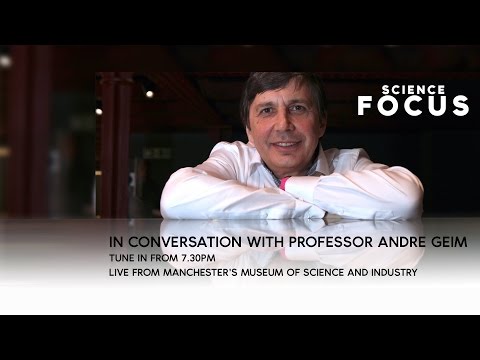
Andre Geim is a Russian-born British physicist known for his groundbreaking work on Graphene, a material that has revolutionized the field of physics. Born on October 21, 1958, in Sochi, Russia, Geim's fascination with physics began at an early age. He pursued his undergraduate degree in physics from the Moscow Engineering Physics Institute and later earned his Ph.D. in physics from the Institute of Solid State Physics. Geim's work has been widely recognized, and he has received numerous awards, including the Nobel Prize in Physics in 2010. His research has also been featured in prominent scientific journals, such as Nature and Science.
📚 Early Life and Education
Geim's early life and education played a significant role in shaping his future as a physicist. He grew up in a family of engineers and was encouraged to explore his interest in physics from a young age. Geim's undergraduate studies at the Moscow Engineering Physics Institute provided him with a solid foundation in physics, and his Ph.D. research at the Institute of Solid State Physics further honed his skills. Geim's work was influenced by prominent physicists, such as Richard Feynman and Stephen Hawking, who inspired him to pursue innovative research. Geim's collaboration with other scientists, including Konstantin Novoselov, has been instrumental in his success. The duo's work on Graphene has been widely recognized, and they have published numerous papers together in journals like Physical Review Letters.
🎯 The Discovery of Graphene
The discovery of Graphene in 2004 was a major breakthrough in Geim's career. He and his colleague, Konstantin Novoselov, isolated the material using a simple yet innovative technique. Their work on Graphene has opened up new avenues for research in physics, materials science, and engineering. Geim's research has also explored the properties of other two-dimensional materials, such as Molybdenum disulfide and Tungsten disulfide. The potential applications of these materials are vast, ranging from electronics and optics to energy storage and biomedicine. Geim's work has been featured in prominent scientific journals, such as Nature and Science, and has been recognized with numerous awards, including the Nobel Prize in Physics.
🔍 Geim's Research and Innovations
Geim's research and innovations have had a significant impact on modern physics. His work on Graphene has inspired a new generation of physicists and materials scientists to explore the properties of two-dimensional materials. Geim's collaboration with other scientists has been instrumental in advancing our understanding of these materials and their potential applications. His research has also explored the properties of other exotic materials, such as superconductors and nanomaterials. Geim's work has been recognized with numerous awards, including the Nobel Prize in Physics and the Knighthood from the British monarch. His research has been featured in prominent scientific journals, such as Physical Review Letters and Advanced Materials. Geim's influence extends beyond the scientific community, and his work has been recognized by the general public, with features in The New York Times and BBC News.
🏆 Awards and Recognition
Geim's awards and recognition are a testament to his groundbreaking work in physics. He was awarded the Nobel Prize in Physics in 2010, along with Konstantin Novoselov, for their discovery of Graphene. Geim has also received the Knighthood from the British monarch and has been elected as a fellow of the Royal Society. His work has been recognized with numerous other awards, including the Kavli Prize and the Europhysics Prize. Geim's research has been featured in prominent scientific journals, such as Nature and Science, and has been recognized by the scientific community as a major breakthrough in physics. Geim's influence extends beyond the scientific community, and his work has been recognized by the general public, with features in The Guardian and The Telegraph.
🤝 Collaboration and Mentorship
Geim's collaboration and mentorship have been instrumental in his success. He has worked with numerous scientists, including Konstantin Novoselov, to advance our understanding of Graphene and other two-dimensional materials. Geim's mentorship has inspired a new generation of physicists and materials scientists to pursue innovative research. His collaboration with other scientists has been recognized with numerous awards, including the Nobel Prize in Physics. Geim's work has been featured in prominent scientific journals, such as Physical Review Letters and Advanced Materials. Geim's influence extends beyond the scientific community, and his work has been recognized by the general public, with features in BBC News and The Times. Geim's research has also been influenced by prominent physicists, such as Richard Feynman and Stephen Hawking, who inspired him to pursue innovative research.
🌐 Geim's Impact on Modern Physics
Geim's impact on modern physics has been significant. His work on Graphene has opened up new avenues for research in physics, materials science, and engineering. Geim's research has also explored the properties of other exotic materials, such as superconductors and nanomaterials. His work has been recognized with numerous awards, including the Nobel Prize in Physics and the Knighthood from the British monarch. Geim's influence extends beyond the scientific community, and his work has been recognized by the general public, with features in The New York Times and The Guardian. Geim's research has also been influenced by prominent physicists, such as Richard Feynman and Stephen Hawking, who inspired him to pursue innovative research. Geim's work has been featured in prominent scientific journals, such as Nature and Science.
📊 Controversies and Criticisms
Despite the numerous accolades, Geim's work has not been without controversy. Some scientists have questioned the validity of his research, and others have criticized his methods. Geim has been open about the challenges he faced in his research, including the initial skepticism from the scientific community. However, his perseverance and dedication to his work have ultimately led to a greater understanding of Graphene and its potential applications. Geim's work has been recognized with numerous awards, including the Nobel Prize in Physics, and his research has been featured in prominent scientific journals, such as Physical Review Letters and Advanced Materials. Geim's influence extends beyond the scientific community, and his work has been recognized by the general public, with features in BBC News and The Times.
🔮 Future Directions and Speculations
As Geim looks to the future, he is excited about the potential applications of Graphene and other two-dimensional materials. He believes that these materials have the potential to revolutionize numerous fields, including electronics, optics, and energy storage. Geim's research has already led to the development of new technologies, such as graphene-based transistors and graphene-based sensors. His work has been recognized with numerous awards, including the Nobel Prize in Physics, and his research has been featured in prominent scientific journals, such as Nature and Science. Geim's influence extends beyond the scientific community, and his work has been recognized by the general public, with features in The New York Times and The Guardian.
📚 Legacy and Influence
Geim's legacy and influence extend far beyond his research on Graphene. He has inspired a new generation of physicists and materials scientists to pursue innovative research. Geim's mentorship and collaboration have been instrumental in advancing our understanding of two-dimensional materials and their potential applications. His work has been recognized with numerous awards, including the Nobel Prize in Physics and the Knighthood from the British monarch. Geim's influence extends beyond the scientific community, and his work has been recognized by the general public, with features in BBC News and The Times. Geim's research has also been influenced by prominent physicists, such as Richard Feynman and Stephen Hawking, who inspired him to pursue innovative research.
👥 Public Engagement and Outreach
Geim is also committed to public engagement and outreach. He has given numerous lectures and talks about his research, including a TED Talk on the potential applications of Graphene. Geim has also been involved in various outreach programs, including the Physics Olympiad and the Science Festival. His work has been recognized with numerous awards, including the Nobel Prize in Physics, and his research has been featured in prominent scientific journals, such as Nature and Science. Geim's influence extends beyond the scientific community, and his work has been recognized by the general public, with features in The New York Times and The Guardian.
💡 Conclusion and Final Thoughts
In conclusion, Andre Geim is a maverick physicist who has made significant contributions to our understanding of Graphene and other two-dimensional materials. His research has been recognized with numerous awards, including the Nobel Prize in Physics, and his work has been featured in prominent scientific journals, such as Physical Review Letters and Advanced Materials. Geim's influence extends beyond the scientific community, and his work has been recognized by the general public, with features in BBC News and The Times. As Geim looks to the future, he is excited about the potential applications of Graphene and other two-dimensional materials, and he continues to inspire a new generation of physicists and materials scientists to pursue innovative research.
Key Facts
- Year
- 2004
- Origin
- Manchester, UK
- Category
- Science
- Type
- Person
Frequently Asked Questions
What is Andre Geim's most notable achievement?
Andre Geim's most notable achievement is the discovery of Graphene, a material that has revolutionized the field of physics. He was awarded the Nobel Prize in Physics in 2010 for his work on Graphene. Geim's research has also explored the properties of other two-dimensional materials, such as Molybdenum disulfide and Tungsten disulfide. His work has been recognized with numerous awards, including the Kavli Prize and the Europhysics Prize.
What is the potential impact of Geim's research on modern society?
Geim's research on Graphene and other two-dimensional materials has the potential to revolutionize numerous fields, including electronics, optics, and energy storage. His work has already led to the development of new technologies, such as graphene-based transistors and graphene-based sensors. Geim's research has been recognized with numerous awards, including the Nobel Prize in Physics, and his work has been featured in prominent scientific journals, such as Nature and Science.
How has Geim's work been recognized by the scientific community?
Geim's work has been recognized with numerous awards, including the Nobel Prize in Physics, the Kavli Prize, and the Europhysics Prize. His research has been featured in prominent scientific journals, such as Nature, Science, and Physical Review Letters. Geim has also been elected as a fellow of the Royal Society and has been awarded the Knighthood from the British monarch.
What is Geim's approach to public engagement and outreach?
Geim is committed to public engagement and outreach. He has given numerous lectures and talks about his research, including a TED Talk on the potential applications of Graphene. Geim has also been involved in various outreach programs, including the Physics Olympiad and the Science Festival. His work has been recognized with numerous awards, including the Nobel Prize in Physics, and his research has been featured in prominent scientific journals, such as Nature and Science.
How has Geim's work influenced other scientists and researchers?
Geim's work has inspired a new generation of physicists and materials scientists to pursue innovative research. His mentorship and collaboration have been instrumental in advancing our understanding of two-dimensional materials and their potential applications. Geim's research has been recognized with numerous awards, including the Nobel Prize in Physics, and his work has been featured in prominent scientific journals, such as Physical Review Letters and Advanced Materials.