
Contents
- 🏯 Origins & History
- ⚕️ How It Works
- 📊 Key Facts & Numbers
- 👥 Key People & Organizations
- 🌎 Cultural Impact & Influence
- ⚡ Current State & Latest Developments
- 🤔 Controversies & Debates
- 🔮 Future Outlook & Predictions
- 💡 Practical Applications
- 📚 Related Topics & Deeper Reading
- Frequently Asked Questions
- References
- Related Topics
Overview
Ancient medicine encompasses the medical practices and knowledge of ancient civilizations, including Egypt, Greece, China, and India. These early societies developed unique approaches to health and wellness, often combining spiritual, philosophical, and empirical methods. From the use of herbal remedies and surgical techniques to the development of complex medical systems, ancient medicine has had a lasting impact on the evolution of modern healthcare. With a rich history spanning thousands of years, ancient medicine continues to fascinate and inform contemporary medical practice. The ancient Egyptians, for example, developed an extensive set of pharmacopoeia and practiced simple non-invasive surgery, while the ancient Greeks made significant contributions to the field of medicine through the work of physicians like Hippocrates. As we explore the history of ancient medicine, we can gain a deeper understanding of the cultural, social, and scientific factors that have shaped our modern healthcare systems. By examining the successes and limitations of ancient medical practices, we can also identify opportunities for innovation and improvement in contemporary healthcare. Furthermore, the study of ancient medicine can provide valuable insights into the complex relationships between health, culture, and society, highlighting the importance of a holistic approach to healthcare. With its diverse range of topics and themes, ancient medicine offers a fascinating area of study that can enrich our understanding of the past, present, and future of healthcare.
🏯 Origins & History
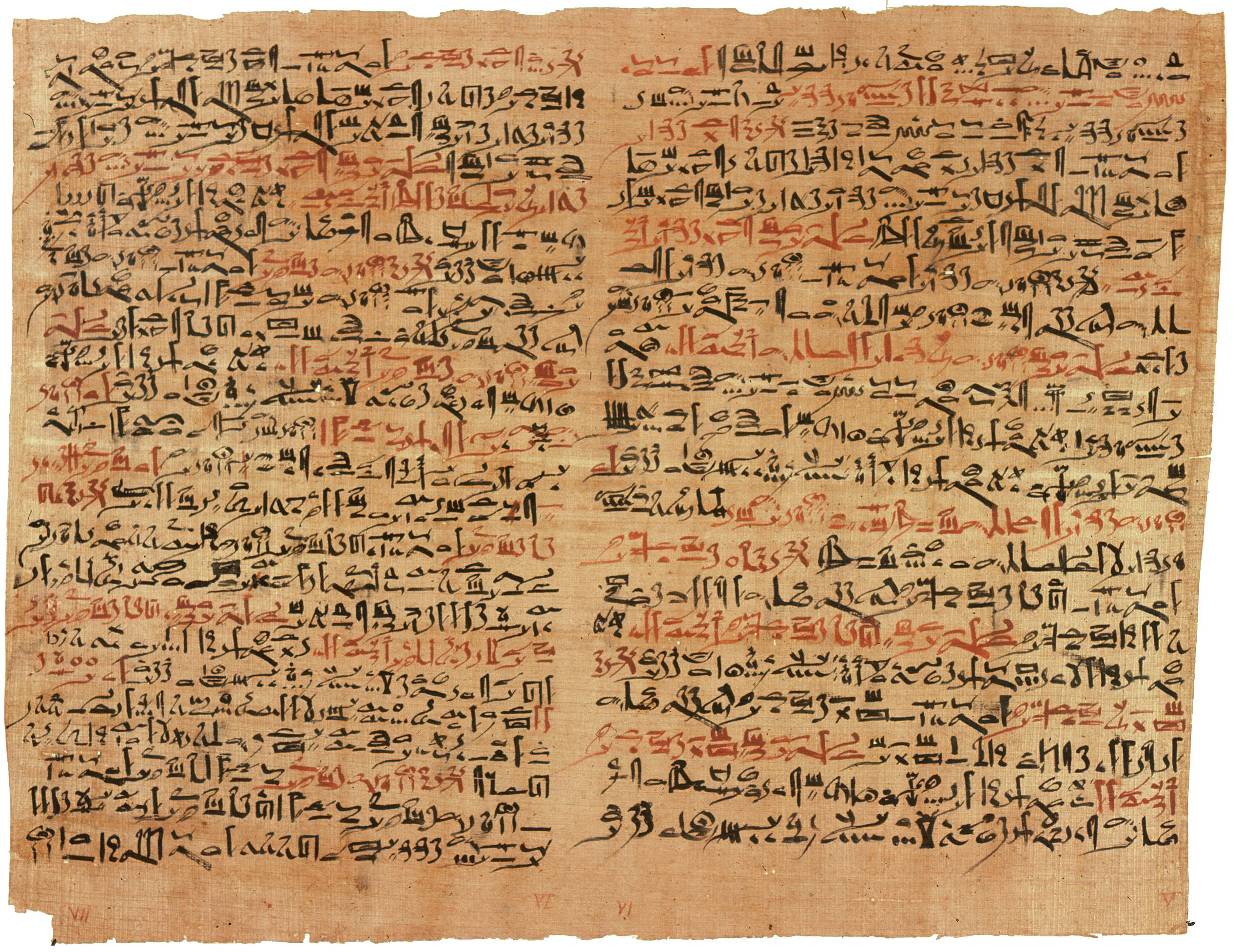
The history of ancient medicine is a rich and complex one, spanning thousands of years and numerous civilizations. In ancient Egypt, for example, medical practice was closely tied to spiritual and philosophical beliefs, with a strong emphasis on the use of herbal remedies and magical spells. The Edwin Smith Papyrus, an ancient Egyptian medical text, provides valuable insights into the medical knowledge and practices of the time. Similarly, in ancient Greece, physicians like Galen and Hippocrates made significant contributions to the field of medicine, laying the foundations for later medical traditions. The work of these ancient physicians has had a lasting impact on the development of modern medicine, with many of their ideas and practices still influencing contemporary medical thought.
⚕️ How It Works
Ancient medicine was often characterized by a holistic approach to health, with a focus on balancing the body's natural energies and humors. In traditional Chinese medicine, for example, the concept of qi (or life energy) plays a central role in understanding health and disease. Similarly, in Ayurvedic medicine, the concept of dosha (or constitutional type) is used to diagnose and treat a wide range of health conditions. These ancient medical systems often incorporated spiritual and philosophical elements, reflecting the complex relationships between health, culture, and society. The use of acupuncture and herbal remedies in traditional Chinese medicine, for example, reflects the emphasis on balancing the body's natural energies and promoting overall well-being.
📊 Key Facts & Numbers
Some key facts and numbers about ancient medicine include the fact that the ancient Egyptians developed an extensive set of pharmacopoeia, with over 600 remedies listed in the Ebers Papyrus. Similarly, the ancient Greeks made significant contributions to the field of surgery, with physicians like Galen and Hippocrates developing new techniques and instruments. The use of bloodletting as a medical treatment, for example, was a common practice in ancient Greece and Rome, reflecting the emphasis on balancing the body's humors. Today, we can look back on these ancient medical practices with a sense of fascination and curiosity, recognizing both their limitations and their contributions to the evolution of modern healthcare. The work of organizations like the World Health Organization and the National Institutes of Health continues to build on the foundations laid by ancient physicians, promoting a deeper understanding of health and disease and improving healthcare outcomes around the world.
👥 Key People & Organizations
Some key people and organizations associated with ancient medicine include Hippocrates, Galen, and the University of Alexandria. These individuals and institutions played a significant role in shaping the development of ancient medicine, laying the foundations for later medical traditions. The work of Hippocrates, for example, has had a lasting impact on the field of medicine, with his emphasis on observation, experimentation, and clinical practice influencing generations of physicians. Similarly, the University of Alexandria was a major center of learning and scholarship in the ancient world, attracting scholars and physicians from across the Mediterranean. The university's emphasis on the study of medicine, mathematics, and astronomy reflects the complex relationships between health, culture, and society in ancient civilizations.
🌎 Cultural Impact & Influence
The cultural impact and influence of ancient medicine can be seen in the many ways that ancient medical practices and ideas continue to shape contemporary healthcare. From the use of herbal remedies and acupuncture to the emphasis on holistic approaches to health, ancient medicine has left a lasting legacy in the modern healthcare landscape. The work of organizations like the National Center for Complementary and Integrative Health continues to promote a deeper understanding of the complex relationships between health, culture, and society, highlighting the importance of a holistic approach to healthcare. By examining the cultural and historical contexts of ancient medicine, we can gain a deeper understanding of the ways in which health and disease have been understood and addressed across different cultures and societies. The study of ancient medicine can also provide valuable insights into the complex relationships between health, culture, and society, highlighting the importance of a nuanced and contextualized approach to healthcare.
⚡ Current State & Latest Developments
Today, ancient medicine continues to be a topic of fascination and study, with many researchers and scholars working to uncover the secrets of ancient medical practices and ideas. The use of DNA analysis and other modern technologies has allowed researchers to gain a deeper understanding of the genetic and environmental factors that shaped the health and disease patterns of ancient populations. The study of ancient medicine can also provide valuable insights into the complex relationships between health, culture, and society, highlighting the importance of a holistic approach to healthcare. By examining the successes and limitations of ancient medical practices, we can identify opportunities for innovation and improvement in contemporary healthcare, promoting a deeper understanding of the complex relationships between health, culture, and society. The work of organizations like the World Health Organization and the National Institutes of Health continues to build on the foundations laid by ancient physicians, promoting a deeper understanding of health and disease and improving healthcare outcomes around the world.
🤔 Controversies & Debates
Despite its many contributions to the evolution of modern healthcare, ancient medicine is not without its controversies and debates. Some critics have argued that ancient medical practices were often based on superstition and misinformation, reflecting the limited scientific understanding of the time. The use of bloodletting as a medical treatment, for example, is now recognized as a dangerous and ineffective practice. However, other scholars have argued that ancient medicine was often characterized by a holistic approach to health, with a focus on balancing the body's natural energies and humors. The study of ancient medicine can provide valuable insights into the complex relationships between health, culture, and society, highlighting the importance of a nuanced and contextualized approach to healthcare. By examining the cultural and historical contexts of ancient medicine, we can gain a deeper understanding of the ways in which health and disease have been understood and addressed across different cultures and societies.
🔮 Future Outlook & Predictions
As we look to the future of healthcare, it is clear that ancient medicine will continue to play an important role in shaping our understanding of health and disease. The use of traditional Chinese medicine and other ancient medical systems can provide valuable insights into the complex relationships between health, culture, and society, highlighting the importance of a holistic approach to healthcare. By examining the successes and limitations of ancient medical practices, we can identify opportunities for innovation and improvement in contemporary healthcare, promoting a deeper understanding of the complex relationships between health, culture, and society. The work of organizations like the World Health Organization and the National Institutes of Health continues to build on the foundations laid by ancient physicians, promoting a deeper understanding of health and disease and improving healthcare outcomes around the world. As we move forward in the 21st century, it is clear that ancient medicine will remain an important part of our shared cultural heritage, informing and enriching our understanding of health and disease.
💡 Practical Applications
The practical applications of ancient medicine can be seen in the many ways that ancient medical practices and ideas continue to shape contemporary healthcare. From the use of herbal remedies and acupuncture to the emphasis on holistic approaches to health, ancient medicine has left a lasting legacy in the modern healthcare landscape. The work of organizations like the National Center for Complementary and Integrative Health continues to promote a deeper understanding of the complex relationships between health, culture, and society, highlighting the importance of a holistic approach to healthcare. By examining the cultural and historical contexts of ancient medicine, we can gain a deeper understanding of the ways in which health and disease have been understood and addressed across different cultures and societies. The study of ancient medicine can also provide valuable insights into the complex relationships between health, culture, and society, highlighting the importance of a nuanced and contextualized approach to healthcare.
Key Facts
- Year
- 400 BCE
- Origin
- Ancient Egypt and Greece
- Category
- public-health
- Type
- concept
Frequently Asked Questions
What were some common medical practices in ancient medicine?
Some common medical practices in ancient medicine included the use of herbal remedies, bloodletting, and surgical procedures. The ancient Egyptians, for example, developed an extensive set of pharmacopoeia, with over 600 remedies listed in the Ebers Papyrus. The use of acupuncture and moxibustion in traditional Chinese medicine reflects the emphasis on balancing the body's natural energies and promoting overall well-being. The work of physicians like Hippocrates and Galen has had a lasting impact on the field of medicine, with their emphasis on observation, experimentation, and clinical practice influencing generations of physicians.
How did ancient medicine influence modern healthcare?
Ancient medicine has had a significant influence on modern healthcare, with many ancient medical practices and ideas continuing to shape contemporary healthcare. The use of herbal remedies and acupuncture, for example, reflects the emphasis on holistic approaches to health. The work of organizations like the World Health Organization and the National Institutes of Health continues to build on the foundations laid by ancient physicians, promoting a deeper understanding of health and disease and improving healthcare outcomes around the world. By examining the cultural and historical contexts of ancient medicine, we can gain a deeper understanding of the ways in which health and disease have been understood and addressed across different cultures and societies.
What are some of the key challenges and limitations of ancient medicine?
Some of the key challenges and limitations of ancient medicine include the limited scientific understanding of the time, the use of superstition and misinformation, and the lack of standardized medical practices. The use of bloodletting as a medical treatment, for example, is now recognized as a dangerous and ineffective practice. However, other scholars have argued that ancient medicine was often characterized by a holistic approach to health, with a focus on balancing the body's natural energies and humors. The study of ancient medicine can provide valuable insights into the complex relationships between health, culture, and society, highlighting the importance of a nuanced and contextualized approach to healthcare.
How can we apply the principles of ancient medicine to modern healthcare?
The principles of ancient medicine can be applied to modern healthcare by emphasizing holistic approaches to health, using herbal remedies and other natural therapies, and promoting a deeper understanding of the complex relationships between health, culture, and society. The work of organizations like the National Center for Complementary and Integrative Health continues to promote a deeper understanding of the complex relationships between health, culture, and society, highlighting the importance of a holistic approach to healthcare. By examining the cultural and historical contexts of ancient medicine, we can gain a deeper understanding of the ways in which health and disease have been understood and addressed across different cultures and societies.
What are some of the most important ancient medical texts?
Some of the most important ancient medical texts include the Edwin Smith Papyrus, the Ebers Papyrus, and the writings of Hippocrates and Galen. These texts provide valuable insights into the medical knowledge and practices of ancient civilizations, reflecting the complex relationships between health, culture, and society. The study of these texts can provide a deeper understanding of the evolution of medical thought and practice over time, highlighting the importance of a nuanced and contextualized approach to healthcare.
How did ancient medicine differ from modern medicine?
Ancient medicine differed from modern medicine in many ways, including the use of herbal remedies and other natural therapies, the emphasis on holistic approaches to health, and the lack of standardized medical practices. The use of acupuncture and moxibustion in traditional Chinese medicine reflects the emphasis on balancing the body's natural energies and promoting overall well-being. The work of physicians like Hippocrates and Galen has had a lasting impact on the field of medicine, with their emphasis on observation, experimentation, and clinical practice influencing generations of physicians. By examining the cultural and historical contexts of ancient medicine, we can gain a deeper understanding of the ways in which health and disease have been understood and addressed across different cultures and societies.
What are some of the most significant contributions of ancient medicine to modern healthcare?
Some of the most significant contributions of ancient medicine to modern healthcare include the development of herbal remedies and other natural therapies, the emphasis on holistic approaches to health, and the use of surgical procedures and other medical techniques. The work of organizations like the World Health Organization and the National Institutes of Health continues to build on the foundations laid by ancient physicians, promoting a deeper understanding of health and disease and improving healthcare outcomes around the world. By examining the cultural and historical contexts of ancient medicine, we can gain a deeper understanding of the ways in which health and disease have been understood and addressed across different cultures and societies.
How can we learn from the successes and limitations of ancient medicine?
We can learn from the successes and limitations of ancient medicine by examining the cultural and historical contexts of ancient medical practices, identifying the key challenges and limitations of ancient medicine, and applying the principles of ancient medicine to modern healthcare. The study of ancient medicine can provide valuable insights into the complex relationships between health, culture, and society, highlighting the importance of a nuanced and contextualized approach to healthcare. By examining the successes and limitations of ancient medical practices, we can identify opportunities for innovation and improvement in contemporary healthcare, promoting a deeper understanding of the complex relationships between health, culture, and society. The work of organizations like the World Health Organization and the National Institutes of Health continues to build on the foundations laid by ancient physicians, promoting a deeper understanding of health and disease and improving healthcare outcomes around the world.