
Contents
- 🎵 Origins & History
- ⚙️ How It Works
- 📊 Key Facts & Numbers
- 👥 Key People & Organizations
- 🌍 Cultural Impact & Influence
- ⚡ Current State & Latest Developments
- 🤔 Controversies & Debates
- 🔮 Future Outlook & Predictions
- 💡 Practical Applications
- 📚 Related Topics & Deeper Reading
- Frequently Asked Questions
- References
- Related Topics
Overview
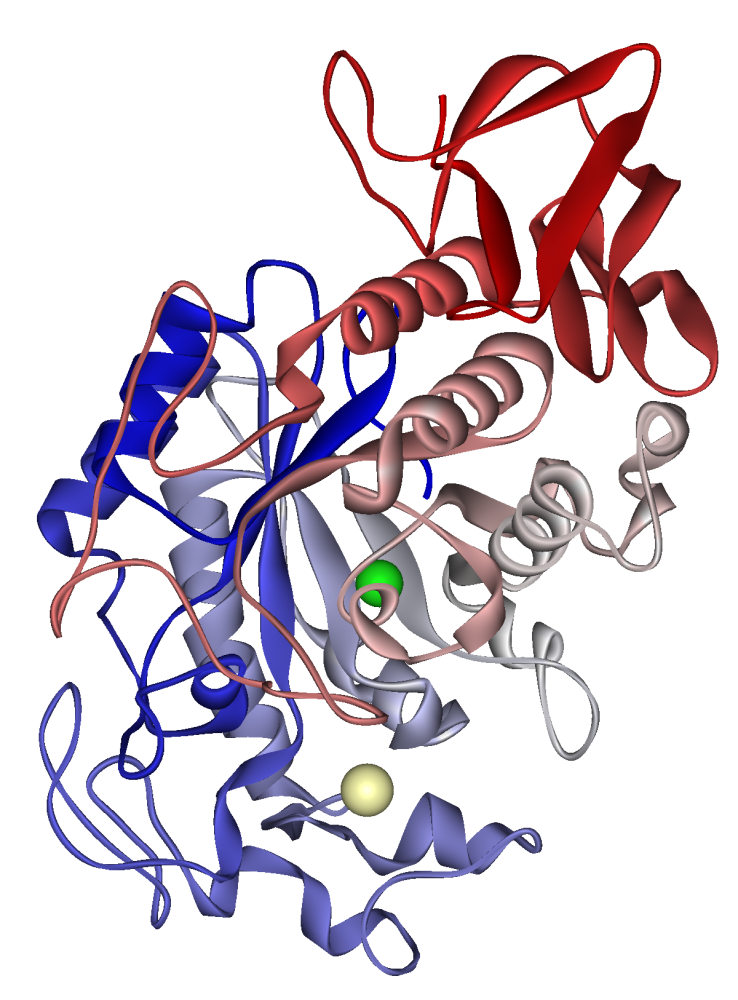
Amylase is a crucial enzyme that catalyzes the hydrolysis of starch into sugars, playing a vital role in the digestion process. Present in human saliva and the pancreas, amylase breaks down dietary starch into disaccharides and trisaccharides, which are then converted into glucose to supply the body with energy. With a rich history dating back to its discovery in the 19th century by scientists like Claude Bernard, amylase has been extensively studied and is now understood to be produced not only by humans and some mammals but also by plants and certain bacteria. The enzyme's importance extends beyond human health, with applications in various industries such as food production and pharmaceuticals, involving companies like Novozymes and research institutions like the National Institutes of Health. As our understanding of amylase and its functions continues to grow, so does its potential impact on fields like nutrition and medicine, with experts like Dr. Mark Hyman exploring its role in digestive health.
🎵 Origins & History
The discovery of amylase dates back to the 19th century when scientists like Claude Bernard first identified its presence in human saliva. Since then, extensive research has been conducted to understand the enzyme's structure, function, and applications. Today, we know that amylase is not only produced by humans and some mammals but also by plants and certain bacteria, with companies like Genentech and Pfizer investing in its research and development.
⚙️ How It Works
Amylase works by catalyzing the hydrolysis of starch into sugars, a process that begins in the mouth and continues in the small intestine. The enzyme breaks down dietary starch into disaccharides and trisaccharides, which are then converted into glucose by other enzymes. This process is essential for supplying the body with energy, and its dysregulation can lead to conditions like diabetes, which is a focus of research by organizations like the American Diabetes Association.
📊 Key Facts & Numbers
Key facts about amylase include its classification as a glycoside hydrolase, its ability to act on α-1,4-glycosidic bonds, and its production by various tissues and organs, including the pancreas and salivary gland. According to the National Institutes of Health, amylase is also produced by plants like corn and wheat, and its activity can be influenced by factors like pH, temperature, and the presence of inhibitors or activators, which are studied by researchers at institutions like the University of California.
👥 Key People & Organizations
Key people and organizations involved in amylase research include scientists like Linus Pauling, who studied the enzyme's structure and function, and companies like Novozymes, which develops and produces amylase for industrial applications, such as in the production of high-fructose corn syrup. Other notable organizations include the Food and Drug Administration, which regulates the use of amylase in food production, and the World Health Organization, which monitors its impact on global health.
🌍 Cultural Impact & Influence
Amylase has had a significant cultural impact, particularly in the food industry, where it is used to produce a wide range of products, from bread and beer to biofuels and animal feed, involving companies like Ingredion and Cargill. Its influence can also be seen in traditional practices like fermentation, which relies on amylase to break down starches into sugars, a process used in the production of sake and soy sauce.
⚡ Current State & Latest Developments
Currently, amylase is being studied for its potential applications in fields like medicine and biotechnology, with researchers exploring its use in the treatment of diseases like diabetes and its role in the production of biofuels, which is a focus of companies like ExxonMobil and British Petroleum. Recent developments include the discovery of new amylase variants with improved stability and activity, which could lead to more efficient industrial processes, such as those used by DuPont and Monsanto.
🤔 Controversies & Debates
Despite its importance, amylase is not without controversy, with some arguing that its overproduction or dysregulation can contribute to conditions like obesity and metabolic syndrome, which are studied by researchers at institutions like the Harvard School of Public Health. Others have raised concerns about the environmental impact of amylase production and its potential effects on human health, which are monitored by organizations like the Environmental Protection Agency.
🔮 Future Outlook & Predictions
Looking to the future, amylase is likely to play an increasingly important role in fields like nutrition and medicine, with potential applications in the treatment of diseases and the production of sustainable biofuels, which could involve companies like Tesla and Toyota. As research continues to uncover the complexities of amylase and its functions, we can expect to see new and innovative uses for this versatile enzyme, such as in the development of personalized nutrition plans and precision medicine treatments.
💡 Practical Applications
Practical applications of amylase include its use in the production of food products like bread and beer, as well as in the manufacture of biofuels and animal feed, involving companies like Archer Daniels Midland and Bunge. Its ability to break down starches into sugars also makes it a valuable tool in the treatment of diseases like diabetes, which is a focus of research by organizations like the Juvenile Diabetes Research Foundation.
Key Facts
- Year
- 1833
- Origin
- Human saliva
- Category
- nutrition
- Type
- enzyme
Frequently Asked Questions
What is amylase?
Amylase is an enzyme that breaks down starch into sugars, playing a crucial role in carbohydrate metabolism. It is produced by humans, some mammals, plants, and bacteria, and is involved in the production of a wide range of products, from food to biofuels, involving companies like Cargill and Ingredion.
Where is amylase produced?
Amylase is produced by the salivary gland and pancreas in humans, as well as by plants and certain bacteria. Its production is regulated by a complex interplay of factors, including pH, temperature, and the presence of inhibitors or activators, which are studied by researchers at institutions like the University of California.
What are the applications of amylase?
Amylase has a wide range of applications, including the production of food products like bread and beer, as well as the manufacture of biofuels and animal feed. It is also used in the treatment of diseases like diabetes, which is a focus of research by organizations like the American Diabetes Association.
What are the potential risks of amylase?
The overproduction or dysregulation of amylase can contribute to conditions like obesity and metabolic syndrome, which are studied by researchers at institutions like the Harvard School of Public Health. Additionally, the environmental impact of amylase production and its potential effects on human health are monitored by organizations like the Environmental Protection Agency.
What is the future of amylase research?
How does amylase relate to other enzymes?
Amylase is part of a larger pathway of carbohydrate metabolism, which involves other enzymes like glucosidase and lactase. Understanding the relationships between these enzymes is crucial for developing new treatments for diseases like diabetes, which is a focus of research by organizations like the Juvenile Diabetes Research Foundation.
What are the cultural implications of amylase?
Amylase has had a significant cultural impact, particularly in the food industry, where it is used to produce a wide range of products. Its influence can also be seen in traditional practices like fermentation, which relies on amylase to break down starches into sugars, a process used in the production of sake and soy sauce.