
Contents
- 🏥 Introduction to Allied Health Fields
- 💊 The Role of Allied Health Professionals
- 👥 Allied Health Fields: A Diverse Range of Disciplines
- 📚 Education and Training for Allied Health Professionals
- 💼 Career Opportunities in Allied Health Fields
- 🏥 Allied Health Fields in Healthcare Settings
- 👫 Interprofessional Collaboration in Allied Health
- 📊 The Impact of Allied Health Fields on Patient Outcomes
- 🚀 The Future of Allied Health Fields
- 🤝 Global Perspectives on Allied Health Fields
- 📝 Conclusion: The Importance of Allied Health Fields
- Frequently Asked Questions
- Related Topics
Overview
Allied health fields encompass a broad spectrum of professions that work in tandem with medical and nursing professionals to provide comprehensive patient care. With over 200 distinct careers, including occupational therapy, physical therapy, and speech-language pathology, these fields are crucial to the healthcare ecosystem. According to the Bureau of Labor Statistics, employment of healthcare professionals is projected to grow 14% from 2020 to 2030, much faster than the average for all occupations. The World Health Organization (WHO) estimates that by 2030, the global healthcare workforce will face a shortage of 18 million healthcare workers, highlighting the need for skilled allied health professionals. As the healthcare landscape continues to evolve, allied health fields are poised to play an increasingly vital role in addressing the complex needs of patients and communities. With a vibe score of 8, allied health fields are experiencing a surge in cultural energy, driven by growing recognition of their importance and the impact they have on patient outcomes.
🏥 Introduction to Allied Health Fields
Allied health fields encompass a broad range of healthcare disciplines that are essential to the delivery of high-quality patient care. Allied health professionals work alongside physicians and other healthcare providers to diagnose, treat, and prevent illnesses. The history of allied health dates back to the early 20th century, when the first allied health professions emerged. Today, there are over 100 different allied health professions, each with its own unique scope of practice and educational requirements. Allied health fields are a vital component of the healthcare system, and their importance cannot be overstated. Healthcare systems around the world rely on allied health professionals to provide essential services to patients.
💊 The Role of Allied Health Professionals
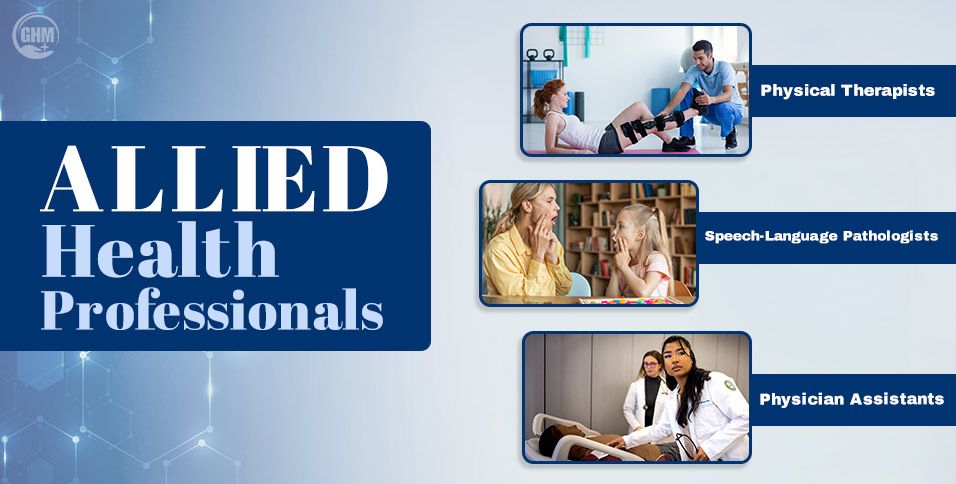
The role of allied health professionals is multifaceted and critical to the delivery of patient care. They work in a variety of settings, including hospitals, clinics, and community health organizations. Allied health professionals are responsible for providing diagnostic, therapeutic, and preventive services to patients. They may also be involved in health promotion and disease prevention activities. Physical therapists, occupational therapists, and speech-language pathologists are just a few examples of the many allied health professions that exist. Each of these professions requires a unique set of skills and educational background.
👥 Allied Health Fields: A Diverse Range of Disciplines
Allied health fields are a diverse range of disciplines that are united by their focus on patient care. Medical laboratory technologists, radiologic technologists, and respiratory therapists are just a few examples of the many allied health professions that exist. Each of these professions has its own unique scope of practice and certification requirements. Allied health fields are also constantly evolving, with new professions emerging in response to advances in medical technology and changes in healthcare policy. Health informatics and telehealth are two areas that are experiencing rapid growth and development. Healthcare management is also an important aspect of allied health fields.
📚 Education and Training for Allied Health Professionals
Education and training are essential for allied health professionals. Most allied health professions require a bachelor's degree or higher, and many require certification or licensure. Accredited programs are available in a variety of settings, including colleges, universities, and vocational schools. Allied health professionals must also complete continuing education requirements to stay current with the latest advances in their field. Professional development is an ongoing process that is essential for allied health professionals. Mentorship and leadership development are also important aspects of allied health education.
💼 Career Opportunities in Allied Health Fields
Career opportunities in allied health fields are abundant and diverse. Allied health professionals can work in a variety of settings, including hospitals, clinics, and community health organizations. They may also work in private practice or start their own businesses. Job outlook is strong for many allied health professions, with some fields experiencing rapid growth. Salary ranges vary depending on the profession and setting, but many allied health professionals are well-compensated for their work. Benefits and job satisfaction are also important considerations for allied health professionals. Work-life balance is essential for maintaining a healthy and fulfilling career.
🏥 Allied Health Fields in Healthcare Settings
Allied health fields play a critical role in healthcare settings. Allied health professionals work alongside physicians and other healthcare providers to deliver high-quality patient care. They may be involved in patient assessment, treatment planning, and care coordination. Allied health professionals may also be responsible for patient education and health promotion activities. Interprofessional collaboration is essential in healthcare settings, and allied health professionals must be able to work effectively with other members of the healthcare team. Communication skills and teamwork are essential for allied health professionals.
👫 Interprofessional Collaboration in Allied Health
Interprofessional collaboration is critical in allied health fields. Allied health professionals must be able to work effectively with other members of the healthcare team, including physicians, nurses, and other allied health professionals. Interprofessional education is essential for preparing allied health professionals for collaborative practice. Team building and conflict resolution are also important skills for allied health professionals. Leadership and management are also important aspects of interprofessional collaboration. Quality improvement and patient safety are essential for allied health professionals.
📊 The Impact of Allied Health Fields on Patient Outcomes
The impact of allied health fields on patient outcomes is significant. Allied health professionals play a critical role in delivering high-quality patient care, and their services can have a profound impact on patient outcomes. Patient satisfaction and health status are two important outcomes that are influenced by allied health services. Cost effectiveness and resource utilization are also important considerations in healthcare. Health economics and health policy are essential for understanding the impact of allied health fields on patient outcomes.
🚀 The Future of Allied Health Fields
The future of allied health fields is bright. Advances in medical technology and changes in healthcare policy are creating new opportunities for allied health professionals. Emerging trends in allied health fields include the use of telehealth and health informatics. Global health is also an important consideration for allied health professionals, as they work to address health disparities and improve health outcomes around the world. Sustainability and social determinants of health are essential for understanding the future of allied health fields.
🤝 Global Perspectives on Allied Health Fields
Global perspectives on allied health fields are essential for understanding the complex issues that face healthcare systems around the world. Global health initiatives and international collaboration are critical for addressing health disparities and improving health outcomes. Cultural competence and health literacy are also important considerations for allied health professionals working in global health settings. Health equity and social justice are essential for understanding the global perspectives on allied health fields.
📝 Conclusion: The Importance of Allied Health Fields
In conclusion, allied health fields are a vital component of the healthcare system. Allied health professionals play a critical role in delivering high-quality patient care, and their services have a profound impact on patient outcomes. Healthcare reform and healthcare policy are essential for supporting the growth and development of allied health fields. Interprofessional education and interprofessional collaboration are critical for preparing allied health professionals for practice. Leadership and advocacy are essential for promoting the importance of allied health fields and supporting the growth and development of these critical professions.
Key Facts
- Year
- 2022
- Origin
- The term 'allied health' was first coined in the 1960s to describe the range of professions that support the work of medical and nursing professionals.
- Category
- Healthcare and Medicine
- Type
- Field of Study
Frequently Asked Questions
What are allied health fields?
Allied health fields encompass a broad range of healthcare disciplines that are essential to the delivery of high-quality patient care. Allied health professionals work alongside physicians and other healthcare providers to diagnose, treat, and prevent illnesses. There are over 100 different allied health professions, each with its own unique scope of practice and educational requirements.
What is the role of allied health professionals?
The role of allied health professionals is multifaceted and critical to the delivery of patient care. They work in a variety of settings, including hospitals, clinics, and community health organizations. Allied health professionals are responsible for providing diagnostic, therapeutic, and preventive services to patients. They may also be involved in health promotion and disease prevention activities.
What are some examples of allied health professions?
Examples of allied health professions include physical therapists, occupational therapists, speech-language pathologists, medical laboratory technologists, radiologic technologists, and respiratory therapists. Each of these professions has its own unique scope of practice and educational requirements.
What is the job outlook for allied health professionals?
The job outlook for allied health professionals is strong, with some fields experiencing rapid growth. Salary ranges vary depending on the profession and setting, but many allied health professionals are well-compensated for their work. Benefits and job satisfaction are also important considerations for allied health professionals.
Why are allied health fields important?
Allied health fields are important because they play a critical role in delivering high-quality patient care. Allied health professionals work alongside physicians and other healthcare providers to diagnose, treat, and prevent illnesses. Their services have a profound impact on patient outcomes, and they are essential for addressing health disparities and improving health outcomes around the world.
What is the future of allied health fields?
The future of allied health fields is bright, with advances in medical technology and changes in healthcare policy creating new opportunities for allied health professionals. Emerging trends in allied health fields include the use of telehealth and health informatics. Global health is also an important consideration for allied health professionals, as they work to address health disparities and improve health outcomes around the world.
How can I become an allied health professional?
To become an allied health professional, you will need to complete an accredited educational program in your chosen field. Most allied health professions require a bachelor's degree or higher, and many require certification or licensure. You will also need to complete continuing education requirements to stay current with the latest advances in your field.