
Contents
- 🎹 Introduction to Alfred Brendel
- 📚 Early Life and Education
- 🎵 Career Highlights and Achievements
- 👥 Collaborations and Influences
- 📝 Literary Pursuits and Writing
- 🎧 Recordings and Discography
- 🏆 Awards and Recognition
- 🌎 Legacy and Impact
- 🤔 Criticisms and Controversies
- 📚 Brendel's Approach to Music and Performance
- 👋 Conclusion and Lasting Influence
- Frequently Asked Questions
- Related Topics
Overview
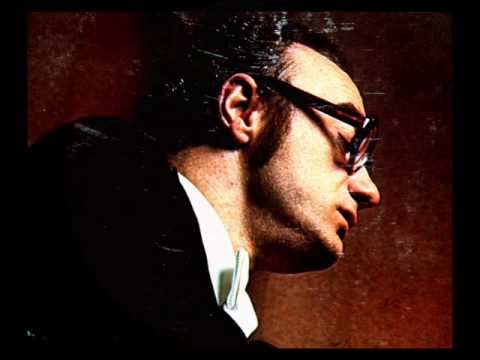
Alfred Brendel is a renowned Austrian pianist, poet, and author, born on January 5, 1931, in Wiesenberg, Czechoslovakia. With a career spanning over six decades, Brendel has established himself as one of the most respected and beloved pianists of our time, known for his interpretations of Mozart, Beethoven, and Schubert. Brendel's playing style is characterized by his intellectual curiosity, technical mastery, and deep understanding of the composer's intent. He has been recognized with numerous awards, including the prestigious Grammy Award, and has been appointed an honorary knight commander of the Order of the British Empire. Brendel's influence extends beyond the music world, with his writings on music, philosophy, and culture, offering a unique perspective on the intersection of art and life. As a cultural icon, Brendel continues to inspire new generations of musicians and music lovers alike, with his legacy as a pianist, thinker, and artist remaining unparalleled.
🎹 Introduction to Alfred Brendel
Alfred Brendel is widely regarded as one of the most important pianists of the 20th century, known for his intellectual and poetic approach to music. Born on January 5, 1931, in Wiesenberg, Czechoslovakia, Brendel began his musical journey at a young age, studying piano with Sofia Rosenbaum-Siegel and later with Paul Weingarten. Brendel's unique playing style, which blended technical precision with emotional depth, has been praised by critics and audiences alike, earning him a reputation as the pianist's pianist. His extensive discography includes recordings of Beethoven's piano sonatas, Mozart's concertos, and Schubert's impromptus.
📚 Early Life and Education
Brendel's early life was marked by a strong emphasis on education and culture. His parents, both music educators, encouraged his musical development from an early age. Brendel's studies took him to the Vienna Academy of Music, where he honed his craft under the guidance of renowned pianists and pedagogues. This period of intense study and practice laid the foundation for Brendel's future success, as he began to develop his distinctive sound and approach to interpretation. Brendel has often spoken about the influence of his teachers, including Edwin Fischer, on his musical development, and has also cited the importance of chamber music in his early career.
🎵 Career Highlights and Achievements
Throughout his career, Brendel has been recognized for his outstanding performances and recordings. He has collaborated with many of the world's leading orchestras, including the Berlin Philharmonic and the London Symphony Orchestra, and has worked with esteemed conductors such as Herbert von Karajan and Simon Rattle. Brendel's repertoire is vast and eclectic, spanning the works of Bach, Beethoven, and Liszt, among others. His recordings have been widely acclaimed, and he has won numerous awards, including multiple Grammy Awards. Brendel has also been recognized for his contributions to the world of classical music, including his work as a music educator and his advocacy for the importance of arts education.
👥 Collaborations and Influences
Brendel's collaborations with other musicians have been a highlight of his career. He has performed with many notable artists, including Itzhak Perlman, Anne-Sophie Mutter, and Murray Perahia. Brendel has also been a strong advocate for the importance of chamber music in the classical music world, and has participated in numerous chamber music festivals and performances throughout his career. His work with the Alban Berg Quartett is particularly notable, and their recordings of Beethoven's string quartets are highly regarded. Brendel has also collaborated with contemporary composers, including Thomas Adès and Arvo Pärt, and has premiered several new works throughout his career.
📝 Literary Pursuits and Writing
In addition to his work as a pianist, Brendel is also a prolific writer and poet. His literary pursuits have included the publication of several books of poetry and essays, including Alfred Brendel's Collected Poems and Music, Sound, and Silence. Brendel's writing often explores the intersection of music and literature, and he has written extensively on the subject of music and poetry. His essays have been published in numerous journals and anthologies, and he has given lectures on topics such as the role of the pianist in contemporary music. Brendel has also been recognized for his work as a music critic, and has written reviews and articles for several major publications.
🎧 Recordings and Discography
Brendel's discography is vast and diverse, spanning over five decades. He has recorded for several major labels, including Philips Records and Decca Records, and has released numerous albums of solo piano music, chamber music, and orchestral works. His recordings of Beethoven's piano sonatas are particularly highly regarded, and are considered by many to be among the greatest recordings of these works. Brendel has also recorded the complete piano concertos of Mozart and Beethoven, and has released several albums of Schubert's piano music. His recordings have been widely acclaimed, and he has won numerous awards for his work in the recording studio.
🏆 Awards and Recognition
Throughout his career, Brendel has been recognized with numerous awards and honors. He has won multiple Grammy Awards, including Best Classical Album and Best Instrumental Soloist Performance. Brendel has also been awarded the Gramophone Award for Lifetime Achievement, and has been named a Gramophone Artist of the Year. In addition to these awards, Brendel has been recognized for his contributions to the world of classical music, including his work as a music educator and his advocacy for the importance of arts education. Brendel has also been awarded several honorary doctorates, including degrees from Oxford University and Harvard University.
🌎 Legacy and Impact
Brendel's legacy and impact on the world of classical music are immeasurable. He has inspired generations of pianists and musicians, and his recordings and performances continue to be widely admired and studied. Brendel's approach to music, which emphasizes the importance of musical interpretation and technical skill, has influenced countless musicians and has helped to shape the course of classical music in the 20th and 21st centuries. Brendel has also been recognized for his contributions to the world of music education, and has worked tirelessly to promote the importance of arts education in schools and communities. His influence can be seen in the work of many contemporary pianists, including Maurizio Pollini and András Schiff.
🤔 Criticisms and Controversies
Despite his many achievements and accolades, Brendel has not been without his critics. Some have argued that his playing style is too intellectual, and that he prioritizes technical precision over emotional expression. Others have criticized his approach to interpretation, arguing that he is too rigid and unyielding in his adherence to the composer's intentions. Brendel has also been criticized for his views on music and politics, and has been involved in several high-profile controversies throughout his career. However, Brendel remains one of the most respected and beloved figures in the world of classical music, and his contributions to the art form continue to be celebrated and admired by audiences around the world.
📚 Brendel's Approach to Music and Performance
Brendel's approach to music and performance is characterized by a deep respect for the composer's intentions and a commitment to technical precision. He has written extensively on the subject of musical interpretation, and has argued that the pianist's role is to serve the music, rather than to impose their own personality or ego on the performance. Brendel has also emphasized the importance of technical skill in piano playing, and has worked tirelessly to develop his own technical abilities throughout his career. His approach to practice and rehearsal is rigorous and disciplined, and he has spoken about the importance of mindfulness and music in the pursuit of artistic excellence. Brendel's approach has influenced many other pianists, including Krystian Zimerman and Leif Ove Andsnes.
👋 Conclusion and Lasting Influence
In conclusion, Alfred Brendel is a pianist of unparalleled stature and influence. His contributions to the world of classical music are immeasurable, and his legacy continues to inspire and influence new generations of musicians and music lovers. As a pianist, writer, and advocate for the arts, Brendel has left an indelible mark on the cultural landscape, and his work will continue to be celebrated and admired for years to come. Brendel's influence can be seen in the work of many contemporary pianists, and his approach to music and performance continues to shape the course of classical music in the 21st century.
Key Facts
- Year
- 1931
- Origin
- Wiesenberg, Czechoslovakia
- Category
- Classical Music
- Type
- Person
Frequently Asked Questions
What is Alfred Brendel's most famous recording?
Alfred Brendel's most famous recording is likely his complete cycle of Beethoven's piano sonatas, which he recorded for Philips Records in the 1970s and 1980s. This recording is widely regarded as one of the greatest recordings of these works, and is considered a benchmark for pianists and music lovers alike. Brendel's recording of Beethoven's Piano Sonata No. 8 is particularly notable, and is often cited as an example of his technical precision and emotional depth.
What is Alfred Brendel's approach to musical interpretation?
Alfred Brendel's approach to musical interpretation is characterized by a deep respect for the composer's intentions and a commitment to technical precision. He has written extensively on the subject of musical interpretation, and has argued that the pianist's role is to serve the music, rather than to impose their own personality or ego on the performance. Brendel has also emphasized the importance of technical skill in piano playing, and has worked tirelessly to develop his own technical abilities throughout his career.
What is Alfred Brendel's legacy in the world of classical music?
Alfred Brendel's legacy in the world of classical music is immeasurable. He has inspired generations of pianists and musicians, and his recordings and performances continue to be widely admired and studied. Brendel's approach to music, which emphasizes the importance of musical interpretation and technical skill, has influenced countless musicians and has helped to shape the course of classical music in the 20th and 21st centuries.
What are some of Alfred Brendel's most notable collaborations?
Alfred Brendel has collaborated with many notable musicians throughout his career, including Itzhak Perlman, Anne-Sophie Mutter, and Murray Perahia. He has also worked with several prominent conductors, including Herbert von Karajan and Simon Rattle. Brendel's collaborations with the Alban Berg Quartett are particularly notable, and their recordings of Beethoven's string quartets are highly regarded.
What is Alfred Brendel's approach to practice and rehearsal?
Alfred Brendel's approach to practice and rehearsal is rigorous and disciplined. He has spoken about the importance of mindfulness and music in the pursuit of artistic excellence, and has emphasized the need for pianists to develop their technical skills through careful practice and rehearsal. Brendel has also written about the importance of performance practice in shaping the pianist's approach to interpretation and technique.