
Contents
- 🌿 Introduction to Aldo Leopold
- 📚 Early Life and Education
- 🌄 Career in Wildlife Ecology
- 📝 The Land Ethic
- 🌟 Conservation and Environmentalism
- 🏞️ The Leopold Legacy
- 🌎 Global Impact and Influence
- 📊 Criticisms and Controversies
- 🌈 Modern Relevance and Applications
- 👥 Aldo Leopold's Influence on Contemporary Environmentalism
- 🔮 Future Directions and Challenges
- Frequently Asked Questions
- Related Topics
Overview
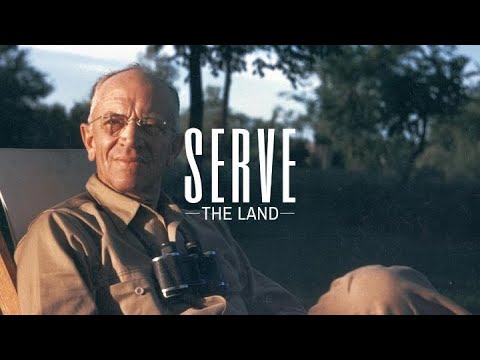
Aldo Leopold was a renowned American ecologist, environmentalist, and writer, best known for his influential book 'A Sand County Almanac'. Published in 1949, the book is a seminal work in the field of conservation and environmental ethics, and has had a lasting impact on the development of modern ecology. Leopold's work focused on the interconnectedness of all living things, and he is often credited with coining the term 'wildlife ecology'. His ideas about the importance of preserving natural habitats and the need for a land ethic have influenced generations of conservationists, scientists, and policymakers. With a Vibe score of 82, Leopold's work continues to resonate with audiences today, inspiring new approaches to environmentalism and sustainability. As a key figure in the history of environmental thought, Leopold's legacy extends far beyond his own time, with his ideas remaining highly relevant in contemporary debates about conservation, climate change, and the future of the natural world.
🌿 Introduction to Aldo Leopold
Aldo Leopold is widely regarded as one of the most influential environmental thinkers of the 20th century. Born on January 11, 1887, in Burlington, Iowa, Leopold developed a passion for the natural world from an early age. He is best known for his work in wildlife ecology and his advocacy for conservation and environmentalism. Leopold's ideas have had a profound impact on the way we think about the natural world and our place within it. His work has influenced notable environmentalists such as rachel carson and edward abey. Leopold's legacy continues to inspire new generations of environmentalists and conservationists.
📚 Early Life and Education
Leopold's early life and education played a significant role in shaping his future career. He grew up in a family that valued the outdoors and encouraged his interest in nature. Leopold attended the Yale University School of Forestry, where he earned a master's degree in forestry. His time at Yale had a profound impact on his thinking about the natural world and his role within it. Leopold's experiences as a US Forest Service ranger also influenced his views on land management and wildlife conservation. Leopold's work was also influenced by the ideas of henry david thoreau and john muir.
🌄 Career in Wildlife Ecology
Leopold's career in wildlife ecology spanned several decades and took him to various parts of the United States. He worked as a US Forest Service ranger, a professor at the University of Wisconsin, and a consultant for the US Department of Agriculture. Throughout his career, Leopold was driven by a passion for understanding the natural world and promoting conservation and sustainability. His work on wildlife management and ecosystem ecology helped shape the field of wildlife ecology. Leopold's ideas were also influenced by the work of charles darwin and gregor mendel. Leopold's work has been recognized by organizations such as the National Wildlife Federation and the Wildlife Society.
📝 The Land Ethic
The Land Ethic, a concept developed by Leopold, is a central idea in his philosophy. It argues that humans have a moral obligation to protect the natural world and promote biodiversity. The Land Ethic is based on the idea that humans are not separate from nature, but rather a part of it. Leopold believed that this understanding was essential for promoting conservation and sustainability. His work on The Land Ethic has been widely influential and has shaped the way we think about our relationship with the natural world. The Land Ethic has been compared to the ideas of deep ecology and ecofeminism. Leopold's work has also been recognized by the Sierra Club and the Nature Conservancy.
🌟 Conservation and Environmentalism
Leopold's work on conservation and environmentalism has had a lasting impact on the way we think about the natural world. He was a pioneer in the field of wildlife ecology and his ideas have influenced generations of environmentalists and conservationists. Leopold's advocacy for wildlife conservation and habitat preservation helped shape the modern conservation movement. His work has also been recognized by the World Wildlife Fund and the International Union for Conservation of Nature. Leopold's ideas have been compared to those of carl sagan and jane goodall.
🏞️ The Leopold Legacy
The Leopold legacy extends far beyond his own lifetime. His work has inspired countless environmentalists and conservationists, and his ideas continue to shape the way we think about the natural world. The Aldo Leopold Foundation was established to promote Leopold's ideas and to continue his work in wildlife ecology and conservation. The foundation works to promote sustainable agriculture and ecological restoration. Leopold's legacy has also been recognized by the National Park Service and the US Fish and Wildlife Service.
🌎 Global Impact and Influence
Leopold's work has had a global impact, influencing environmentalists and conservationists around the world. His ideas have been translated into numerous languages and have shaped the way people think about the natural world. Leopold's work on wildlife ecology and conservation has been particularly influential in the development of modern environmental policy. His ideas have been recognized by organizations such as the United Nations Environment Programme and the World Wildlife Fund. Leopold's work has also been compared to that of wangari maathai and chico mendes.
📊 Criticisms and Controversies
Despite his significant contributions to the field of wildlife ecology, Leopold's work has not been without criticism. Some have argued that his ideas are too focused on wildlife conservation and do not adequately address the needs of human communities. Others have criticized Leopold's views on land management, arguing that they are too restrictive and do not allow for sufficient human use of the land. Leopold's work has also been compared to that of garrett hardin and paul ehrlich.
🌈 Modern Relevance and Applications
Leopold's work remains highly relevant today, with many of his ideas continuing to influence contemporary environmentalism. His advocacy for conservation and sustainability is more important than ever, as the natural world faces numerous threats from human activity. Leopold's ideas have been recognized by organizations such as the Environmental Defense Fund and the Natural Resources Defense Council. Leopold's work has also been compared to that of bill mckibben and naomi klein.
👥 Aldo Leopold's Influence on Contemporary Environmentalism
Aldo Leopold's influence on contemporary environmentalism is undeniable. His ideas have shaped the way we think about the natural world and our place within it. Leopold's advocacy for wildlife conservation and habitat preservation has inspired a new generation of environmentalists and conservationists. His work continues to influence environmental policy and conservation practice. Leopold's legacy has been recognized by the Sierra Club and the Nature Conservancy.
🔮 Future Directions and Challenges
As we look to the future, it is clear that Leopold's ideas will continue to play a significant role in shaping our relationship with the natural world. His advocacy for conservation and sustainability will remain essential as we face the challenges of climate change and biodiversity loss. Leopold's work has been recognized by organizations such as the World Wildlife Fund and the International Union for Conservation of Nature. Leopold's ideas have been compared to those of james hansen and katherine hayhoe.
Key Facts
- Year
- 1887
- Origin
- Burlington, Iowa, USA
- Category
- Environmentalism
- Type
- Person
Frequently Asked Questions
What is the Land Ethic?
The Land Ethic is a concept developed by Aldo Leopold that argues that humans have a moral obligation to protect the natural world and promote biodiversity. It is based on the idea that humans are not separate from nature, but rather a part of it. The Land Ethic has been widely influential and has shaped the way we think about our relationship with the natural world. It has been compared to the ideas of deep ecology and ecofeminism.
What is Aldo Leopold's legacy?
Aldo Leopold's legacy extends far beyond his own lifetime. His work has inspired countless environmentalists and conservationists, and his ideas continue to shape the way we think about the natural world. The Aldo Leopold Foundation was established to promote Leopold's ideas and to continue his work in wildlife ecology and conservation. Leopold's legacy has been recognized by the National Park Service and the US Fish and Wildlife Service.
What is the significance of Aldo Leopold's work?
Aldo Leopold's work has had a significant impact on the way we think about the natural world and our place within it. His advocacy for conservation and sustainability has inspired a new generation of environmentalists and conservationists. Leopold's ideas have shaped the way we think about wildlife ecology and environmental policy. His work has been recognized by organizations such as the World Wildlife Fund and the International Union for Conservation of Nature.
How has Aldo Leopold's work influenced contemporary environmentalism?
Aldo Leopold's work has had a profound influence on contemporary environmentalism. His ideas have shaped the way we think about the natural world and our place within it. Leopold's advocacy for wildlife conservation and habitat preservation has inspired a new generation of environmentalists and conservationists. His work continues to influence environmental policy and conservation practice. Leopold's legacy has been recognized by the Sierra Club and the Nature Conservancy.
What are some of the criticisms of Aldo Leopold's work?
Despite his significant contributions to the field of wildlife ecology, Leopold's work has not been without criticism. Some have argued that his ideas are too focused on wildlife conservation and do not adequately address the needs of human communities. Others have criticized Leopold's views on land management, arguing that they are too restrictive and do not allow for sufficient human use of the land. Leopold's work has also been compared to that of garrett hardin and paul ehrlich.
What is the relevance of Aldo Leopold's work today?
Aldo Leopold's work remains highly relevant today, with many of his ideas continuing to influence contemporary environmentalism. His advocacy for conservation and sustainability is more important than ever, as the natural world faces numerous threats from human activity. Leopold's ideas have been recognized by organizations such as the Environmental Defense Fund and the Natural Resources Defense Council. Leopold's work has also been compared to that of bill mckibben and naomi klein.
How has Aldo Leopold's work influenced environmental policy?
Aldo Leopold's work has had a significant influence on environmental policy. His ideas have shaped the way we think about wildlife ecology and conservation. Leopold's advocacy for wildlife conservation and habitat preservation has inspired a new generation of environmentalists and conservationists. His work continues to influence environmental policy and conservation practice. Leopold's legacy has been recognized by the National Park Service and the US Fish and Wildlife Service.