
Contents
- 🏙️ Introduction to Albuquerque
- 🌄 Geography and Climate
- 🏞️ Outdoor Activities and Attractions
- 🎨 Arts and Culture
- 🍴 Food Scene
- 🏙️ Neighborhoods and Districts
- 📚 Education and Research
- 🚀 Technology and Innovation
- 👥 Demographics and Economy
- 🚗 Transportation and Infrastructure
- 🏛️ History and Architecture
- Frequently Asked Questions
- Related Topics
Overview
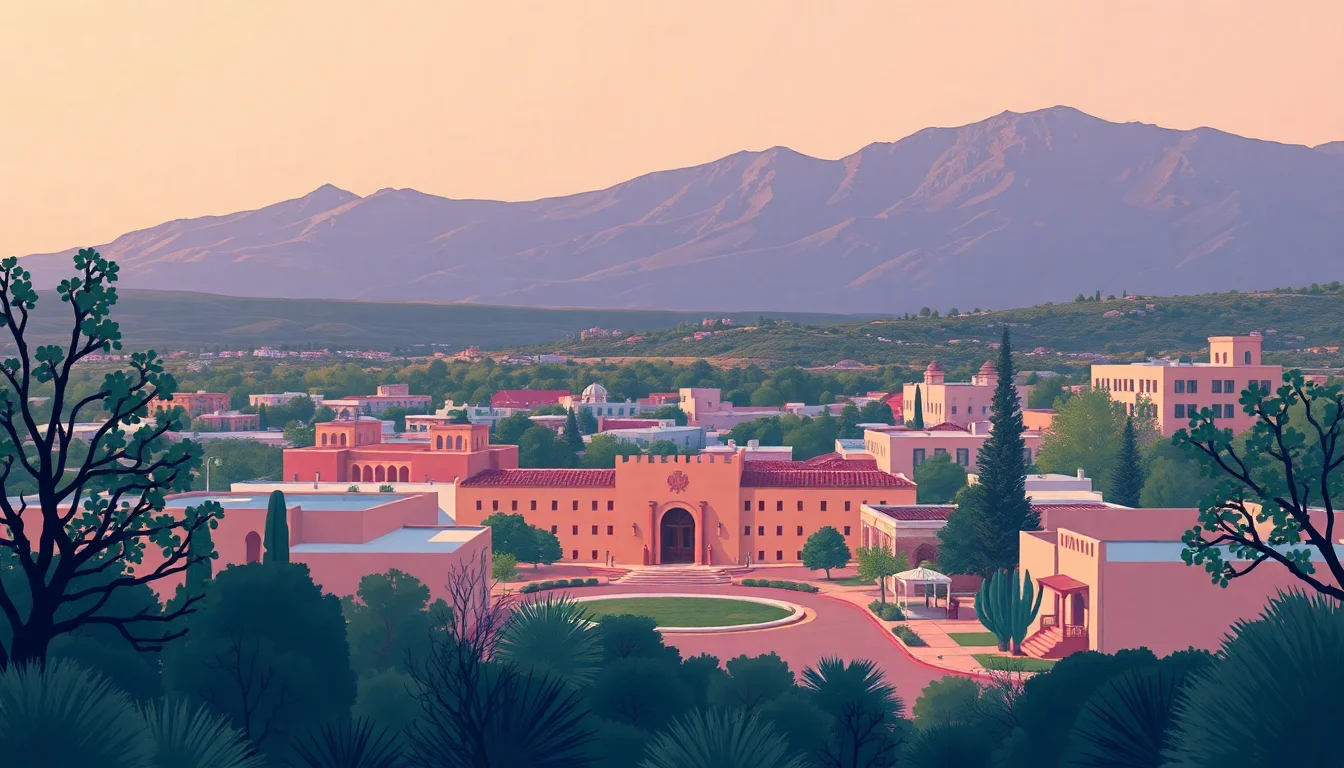
Albuquerque, New Mexico, is a city with a unique blend of Native American, Spanish, and Mexican influences. Founded in 1706 by Spanish colonel Francisco Cuervo y Valdés, Albuquerque has a rich cultural heritage, with numerous museums, galleries, and festivals celebrating its history. The city is situated in the high desert, with the Sandia Mountains providing a stunning backdrop. With a growing tech industry, including companies like Intel and Sandia National Laboratories, Albuquerque is becoming a hub for innovation and entrepreneurship. The city has a vibe score of 8, reflecting its high cultural energy and natural beauty. However, like many cities, Albuquerque faces challenges such as poverty and crime, with a controversy spectrum of 6, indicating a moderate level of debate and discussion around these issues. As the city continues to grow and evolve, it will be interesting to see how it balances its rich cultural heritage with its thriving tech industry.
🏙️ Introduction to Albuquerque
Albuquerque, New Mexico, also known as the Duke City, is a vibrant city located in the high desert of the American Southwest. With a rich cultural heritage and a blend of Native American, Spanish, and Mexican influences, Albuquerque is a unique and fascinating city to explore. Visitors can experience the city's famous International Balloon Fiesta, which takes place every October and features hundreds of hot air balloons from around the world. The city is also home to the University of New Mexico, a major research institution that offers a range of academic programs. For outdoor enthusiasts, Albuquerque has plenty to offer, including the Sandia Mountains and the Rio Grande river.
🌄 Geography and Climate
Albuquerque's geography and climate are characterized by its location in the high desert, with very little rainfall throughout the year. The city's elevation is approximately 5,300 feet above sea level, which makes it an ideal location for outdoor activities such as hiking and biking. The Sandia Mountains offer stunning views of the city and the surrounding landscape, and the Rio Grande river provides opportunities for rafting and kayaking. Visitors can also explore the city's many parks and gardens, including the Rio Grande Nature Center and the Albuquerque Biopark. For those interested in learning more about the city's geography and climate, the University of New Mexico offers a range of academic programs in earth sciences and environmental studies.
🏞️ Outdoor Activities and Attractions
Albuquerque is a paradise for outdoor enthusiasts, with plenty of opportunities for hiking, biking, and skiing. The Sandia Mountains offer a range of trails for hikers and bikers, including the popular La Luz Trail and the Sandia Peak Tramway. Visitors can also explore the city's many parks and gardens, including the Rio Grande Nature Center and the Albuquerque Biopark. For those interested in water sports, the Rio Grande river offers opportunities for rafting and kayaking. The city is also home to several golf courses, including the Albuquerque Country Club and the Tanoan Country Club. For more information on outdoor activities and attractions, visit the City of Albuquerque website.
🎨 Arts and Culture
Albuquerque has a thriving arts and culture scene, with a range of museums, galleries, and performance venues. The Albuquerque Museum of Art and History features a collection of art and artifacts from around the world, including works by famous artists such as Georgia O'Keeffe and Ernest Blumenschein. The city is also home to the National Hispanic Cultural Center, which showcases the art, culture, and history of Hispanic communities. Visitors can also explore the city's many galleries and studios, including the Harwood Art Center and the Albuquerque Photographers' Gallery. For more information on arts and culture, visit the Albuquerque Arts Alliance website.
🍴 Food Scene
Albuquerque is known for its unique and delicious cuisine, which reflects the city's cultural heritage. The city is famous for its New Mexican cuisine, which combines Spanish, Mexican, and Native American influences. Visitors can try traditional dishes such as green chile stew and posole at one of the city's many restaurants, including the Frontier Restaurant and the El Pinto. The city is also home to a range of food trucks and markets, including the Albuquerque Farmers' Market and the Downtown Growers' Market. For more information on the city's food scene, visit the Albuquerque Food Co-op website.
🏙️ Neighborhoods and Districts
Albuquerque has a range of unique and vibrant neighborhoods and districts, each with its own character and charm. The Downtown Albuquerque area is home to a range of shops, restaurants, and entertainment venues, including the Albuquerque Convention Center and the Kiimo Theatre. The Nob Hill neighborhood is known for its trendy boutiques and art galleries, while the Old Town Albuquerque area features historic adobe buildings and a range of cultural attractions. Visitors can also explore the city's many other neighborhoods and districts, including the University Heights and the Uptown Albuquerque. For more information on neighborhoods and districts, visit the City of Albuquerque website.
📚 Education and Research
Albuquerque is home to a range of educational institutions, including the University of New Mexico and the Central New Mexico Community College. The city is also a hub for research and development, with a range of institutions and organizations focused on science, technology, and innovation. The Sandia National Laboratories is a major research institution that focuses on national security and energy issues, while the Los Alamos National Laboratory is a leading research institution in the fields of physics and engineering. For more information on education and research, visit the University of New Mexico website.
🚀 Technology and Innovation
Albuquerque is a hub for technology and innovation, with a range of companies and organizations focused on fields such as renewable energy, cybersecurity, and biotechnology. The city is home to a range of startups and entrepreneurs, including the Albuquerque Entrepreneurial Ecosystem and the New Mexico Technology Council. Visitors can also explore the city's many co-working spaces and incubators, including the FatPipe ABQ and the WeWork Albuquerque. For more information on technology and innovation, visit the City of Albuquerque website.
👥 Demographics and Economy
Albuquerque has a diverse population of over 559,000 people, with a range of cultural and economic backgrounds. The city has a strong economy, with major industries including healthcare, education, and technology. The city is also home to a range of cultural attractions and events, including the International Balloon Fiesta and the Albuquerque Folk Festival. Visitors can explore the city's many neighborhoods and districts, including the Downtown Albuquerque area and the Old Town Albuquerque area. For more information on demographics and economy, visit the City of Albuquerque website.
🚗 Transportation and Infrastructure
Albuquerque has a range of transportation options, including the Albuquerque International Sunport airport and a public transportation system that includes buses and a rail system. The city is also home to a range of bike trails and lanes, including the Rio Grande Bike Trail and the Paseo del Bosque Trail. Visitors can also explore the city's many neighborhoods and districts on foot, including the Downtown Albuquerque area and the Old Town Albuquerque area. For more information on transportation and infrastructure, visit the City of Albuquerque website.
🏛️ History and Architecture
Albuquerque has a rich and fascinating history, with a range of cultural and architectural attractions to explore. The city was founded in 1706 as a Spanish colonial outpost, and has since been influenced by a range of cultures, including Native American, Mexican, and American. Visitors can explore the city's many historic buildings and landmarks, including the Albuquerque Old Town area and the San Felipe de Neri Church. The city is also home to a range of museums and cultural institutions, including the Albuquerque Museum of Art and History and the New Mexico Museum of Natural History and Science. For more information on history and architecture, visit the City of Albuquerque website.
Key Facts
- Year
- 1706
- Origin
- Spanish Colonization
- Category
- Cities
- Type
- City
Frequently Asked Questions
What is the population of Albuquerque, New Mexico?
The population of Albuquerque, New Mexico is over 559,000 people, with a range of cultural and economic backgrounds. The city has a diverse population, with a mix of Native American, Spanish, Mexican, and American influences. For more information on demographics, visit the City of Albuquerque website.
What are the main industries in Albuquerque, New Mexico?
The main industries in Albuquerque, New Mexico include healthcare, education, and technology. The city is also home to a range of cultural attractions and events, including the International Balloon Fiesta and the Albuquerque Folk Festival. For more information on economy, visit the City of Albuquerque website.
What are the best things to do in Albuquerque, New Mexico?
Albuquerque, New Mexico has a range of things to do, including outdoor activities such as hiking and biking, cultural attractions such as museums and galleries, and events such as the International Balloon Fiesta. Visitors can also explore the city's many neighborhoods and districts, including the Downtown Albuquerque area and the Old Town Albuquerque area. For more information on things to do, visit the City of Albuquerque website.
What is the climate like in Albuquerque, New Mexico?
Albuquerque, New Mexico has a high desert climate, with very little rainfall throughout the year. The city's elevation is approximately 5,300 feet above sea level, which makes it an ideal location for outdoor activities such as hiking and biking. For more information on climate, visit the University of New Mexico website.
What are the best restaurants in Albuquerque, New Mexico?
Albuquerque, New Mexico has a range of delicious restaurants, including the Frontier Restaurant and the El Pinto. The city is also home to a range of food trucks and markets, including the Albuquerque Farmers' Market and the Downtown Growers' Market. For more information on restaurants, visit the Albuquerque Food Co-op website.