
Contents
- 🛫 Introduction to Airport Security
- 🚨 Threats to Airport Security
- 🛡️ Security Measures and Protocols
- 📊 The Economics of Airport Security
- 🚫 Challenges and Controversies
- 🤝 International Cooperation and Standards
- 📈 Emerging Technologies and Innovations
- 🚀 The Future of Airport Security
- 📊 Case Studies and Best Practices
- 👮 Airport Security Personnel and Training
- 🚨 Incident Response and Crisis Management
- 📈 The Role of Artificial Intelligence in Airport Security
- Frequently Asked Questions
- Related Topics
Overview
Airport security has undergone significant transformations since the first metal detectors were introduced in the 1970s. The 9/11 attacks in 2001 marked a major turning point, with the establishment of the Transportation Security Administration (TSA) in the United States. Today, airports employ a multi-layered approach to security, incorporating technologies such as biometric identification, artificial intelligence-powered surveillance, and advanced screening methods. However, the cat-and-mouse game between security forces and potential threats continues, with concerns over issues like insider threats, cybersecurity vulnerabilities, and the impact of security measures on passenger experience. According to a report by the International Air Transport Association (IATA), the global airport security market is projected to reach $13.4 billion by 2025, with a growth rate of 7.5% per annum. As the aviation industry continues to grow, with an estimated 4.5 billion passengers in 2023, the pressure to balance security with efficiency and passenger satisfaction will only intensify, with key players like the TSA, IATA, and the European Union's Aviation Security Agency shaping the future of airport security.
🛫 Introduction to Airport Security
The importance of airport security cannot be overstated, as it is a critical component of the transportation security infrastructure. Airport security includes the techniques and methods used in an attempt to protect passengers, staff, aircraft, and airport property from malicious harm, crime, terrorism, and other threats. The history of aviation has seen numerous instances of security breaches, highlighting the need for robust security measures. The airport security regulations are constantly evolving to address emerging threats, and airports must stay vigilant to ensure the safety of all stakeholders. The Transportation Security Administration (TSA) plays a crucial role in overseeing airport security in the United States. As the aviation industry continues to grow, the need for effective airport security measures will only continue to increase.
🚨 Threats to Airport Security
Threats to airport security are diverse and ever-evolving, ranging from cyber attacks to physical security breaches. The 9/11 attacks highlighted the vulnerability of airports to terrorism, and since then, airports have had to adapt to new and emerging threats. The threat of insider attacks is a significant concern, as airport employees with access to secure areas can potentially pose a threat. Airports must also contend with the challenge of balancing security and passenger experience, as overly restrictive security measures can negatively impact the passenger experience. The role of intelligence in airport security is critical in identifying and mitigating potential threats. The use of biometrics in airport security is becoming increasingly prevalent, with many airports implementing facial recognition technology to enhance security.
🛡️ Security Measures and Protocols
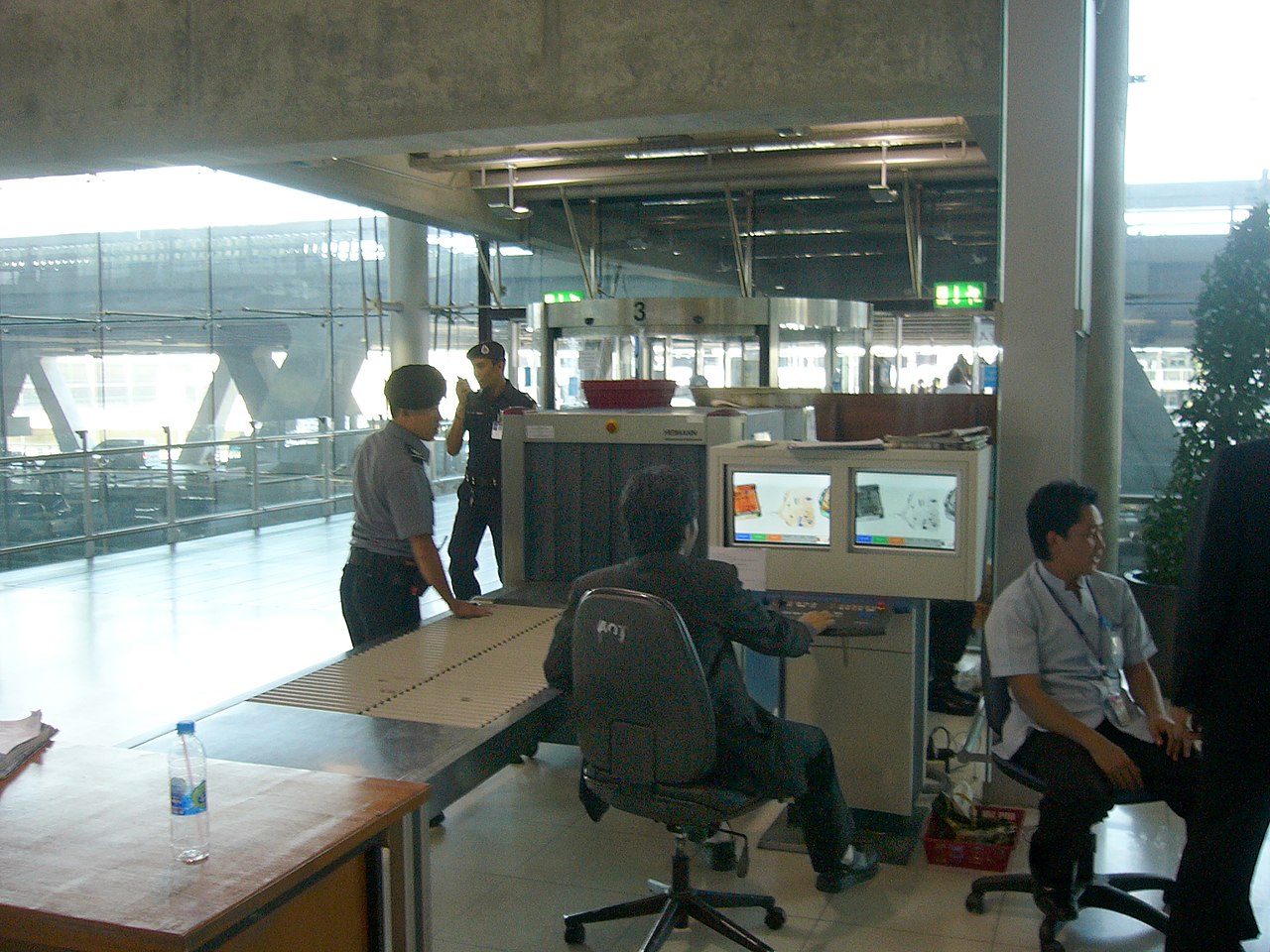
Security measures and protocols are in place to prevent and respond to security breaches. Airports employ a range of security measures, including access control, surveillance, and screening of passengers and luggage. The x-ray machines and explosive detection systems are common security measures used to detect and prevent the introduction of prohibited items into the airport. The importance of airport perimeter security cannot be overstated, as a breach of the perimeter can have serious consequences. Airports must also have emergency response plans in place to respond to security incidents. The role of artificial intelligence in airport security is becoming increasingly important, with AI-powered systems being used to enhance security and improve the passenger experience.
📊 The Economics of Airport Security
The economics of airport security are complex and multifaceted. The cost of airport security is significant, with airports spending millions of dollars each year on security measures and personnel. The impact of airport security on the aviation industry is substantial, with security breaches having the potential to disrupt air travel and impact the economy. The benefits of investing in airport security are clear, as effective security measures can help to prevent security breaches and protect passengers and staff. The return on investment for airport security is difficult to quantify, but it is clear that investing in airport security is essential for the long-term sustainability of the aviation industry. The aviation industry is a critical component of the global economy, and the importance of airport security cannot be overstated.
🚫 Challenges and Controversies
Challenges and controversies surrounding airport security are numerous. The challenge of balancing security and passenger experience is a significant concern, as overly restrictive security measures can negatively impact the passenger experience. The use of biometrics in airport security is a contentious issue, with some arguing that it is an invasion of privacy. The role of government in airport security is critical, as governments must provide funding and oversight to ensure that airports are secure. The impact of airport security on local communities is also a concern, as airports can have a significant impact on the local environment and economy. The need for international cooperation on airport security is clear, as security breaches can have global implications.
🤝 International Cooperation and Standards
International cooperation and standards are essential for effective airport security. The International Civil Aviation Organization (ICAO) plays a critical role in setting standards for airport security. The Transportation Security Administration (TSA) also works closely with international partners to share best practices and coordinate security efforts. The use of international standards for airport security is becoming increasingly prevalent, with many airports adopting ISO 27001 and other international standards. The benefits of international cooperation on airport security are clear, as it allows for the sharing of best practices and the coordination of security efforts. The challenges of international cooperation on airport security are significant, but the benefits far outweigh the costs.
📈 Emerging Technologies and Innovations
Emerging technologies and innovations are transforming the field of airport security. The use of artificial intelligence in airport security is becoming increasingly prevalent, with AI-powered systems being used to enhance security and improve the passenger experience. The use of biometrics in airport security is also becoming more widespread, with many airports implementing facial recognition technology to enhance security. The role of the Internet of Things in airport security is also significant, with many airports using IoT devices to enhance security and improve the passenger experience. The benefits of emerging technologies in airport security are clear, as they can help to enhance security and improve the passenger experience.
🚀 The Future of Airport Security
The future of airport security is uncertain, but one thing is clear: it will be shaped by emerging technologies and innovations. The use of artificial intelligence in airport security will continue to grow, with AI-powered systems being used to enhance security and improve the passenger experience. The use of biometrics in airport security will also become more widespread, with many airports implementing facial recognition technology to enhance security. The role of the Internet of Things in airport security will also continue to grow, with many airports using IoT devices to enhance security and improve the passenger experience. The need for continued investment in airport security is clear, as emerging technologies and innovations will require significant investment to implement and maintain.
📊 Case Studies and Best Practices
Case studies and best practices can provide valuable insights into effective airport security measures. The use of access control in airport security is a critical component of any airport security system. The importance of airport perimeter security cannot be overstated, as a breach of the perimeter can have serious consequences. The role of emergency response plans in airport security is also significant, as airports must have plans in place to respond to security incidents. The benefits of investing in airport security are clear, as effective security measures can help to prevent security breaches and protect passengers and staff.
👮 Airport Security Personnel and Training
Airport security personnel and training are critical components of any airport security system. The importance of airport security personnel cannot be overstated, as they are the first line of defense against security breaches. The role of training in airport security is also significant, as airport security personnel must be trained to respond to a range of security scenarios. The use of simulation-based training in airport security is becoming increasingly prevalent, as it allows airport security personnel to practice responding to security scenarios in a realistic and safe environment. The benefits of investing in airport security personnel are clear, as effective security personnel can help to prevent security breaches and protect passengers and staff.
🚨 Incident Response and Crisis Management
Incident response and crisis management are critical components of any airport security system. The importance of emergency response plans in airport security cannot be overstated, as airports must have plans in place to respond to security incidents. The role of crisis management in airport security is also significant, as airports must be able to manage the aftermath of a security incident. The use of crisis communication in airport security is critical, as airports must be able to communicate effectively with passengers, staff, and stakeholders during a security incident. The benefits of investing in incident response and crisis management are clear, as effective incident response and crisis management can help to minimize the impact of a security incident.
📈 The Role of Artificial Intelligence in Airport Security
The role of artificial intelligence in airport security is becoming increasingly significant. The use of artificial intelligence in airport security is becoming more widespread, with AI-powered systems being used to enhance security and improve the passenger experience. The benefits of artificial intelligence in airport security are clear, as AI-powered systems can help to enhance security and improve the passenger experience. The challenges of artificial intelligence in airport security are significant, but the benefits far outweigh the costs. The future of artificial intelligence in airport security is uncertain, but one thing is clear: it will be shaped by emerging technologies and innovations.
Key Facts
- Year
- 2023
- Origin
- International Air Transport Association (IATA) and Transportation Security Administration (TSA)
- Category
- Transportation Security
- Type
- Concept
Frequently Asked Questions
What is airport security?
Airport security refers to the techniques and methods used to protect passengers, staff, aircraft, and airport property from malicious harm, crime, terrorism, and other threats. The history of aviation has seen numerous instances of security breaches, highlighting the need for robust security measures. The airport security regulations are constantly evolving to address emerging threats, and airports must stay vigilant to ensure the safety of all stakeholders. The Transportation Security Administration (TSA) plays a crucial role in overseeing airport security in the United States.
What are the main threats to airport security?
The main threats to airport security include cyber attacks, physical security breaches, and terrorism. The 9/11 attacks highlighted the vulnerability of airports to terrorism, and since then, airports have had to adapt to new and emerging threats. The threat of insider attacks is a significant concern, as airport employees with access to secure areas can potentially pose a threat. The role of intelligence in airport security is critical in identifying and mitigating potential threats.
What are the benefits of investing in airport security?
The benefits of investing in airport security are clear, as effective security measures can help to prevent security breaches and protect passengers and staff. The return on investment for airport security is difficult to quantify, but it is clear that investing in airport security is essential for the long-term sustainability of the aviation industry. The aviation industry is a critical component of the global economy, and the importance of airport security cannot be overstated. The need for continued investment in airport security is clear, as emerging technologies and innovations will require significant investment to implement and maintain.
What is the role of artificial intelligence in airport security?
The role of artificial intelligence in airport security is becoming increasingly significant, with AI-powered systems being used to enhance security and improve the passenger experience. The benefits of artificial intelligence in airport security are clear, as AI-powered systems can help to enhance security and improve the passenger experience. The challenges of artificial intelligence in airport security are significant, but the benefits far outweigh the costs. The future of artificial intelligence in airport security is uncertain, but one thing is clear: it will be shaped by emerging technologies and innovations.
What is the importance of international cooperation on airport security?
The importance of international cooperation on airport security cannot be overstated, as security breaches can have global implications. The International Civil Aviation Organization (ICAO) plays a critical role in setting standards for airport security. The Transportation Security Administration (TSA) also works closely with international partners to share best practices and coordinate security efforts. The use of international standards for airport security is becoming increasingly prevalent, with many airports adopting ISO 27001 and other international standards.