
Contents
- 🚀 Introduction to the Sharing Economy
- 🏠 The Rise of Airbnb
- 🚗 The Rise of Uber
- 📈 Economic Impact of the Sharing Economy
- 🤝 Social Impact of the Sharing Economy
- 🚫 Regulatory Challenges
- 💸 Funding and Investment
- 📊 Competition and Market Trends
- 🌎 Global Expansion
- 🔮 Future of the Sharing Economy
- 📝 Conclusion
- Frequently Asked Questions
- Related Topics
Overview
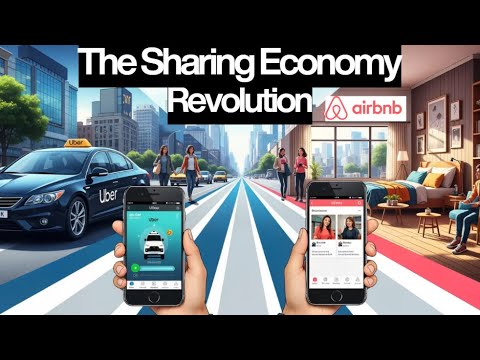
Airbnb and Uber, founded in 2008 and 2009 respectively, have revolutionized the way we travel, live, and interact with each other. With a combined valuation of over $200 billion, these companies have disrupted traditional industries such as hospitality and transportation. Airbnb, with over 7 million listings in more than 220 countries, has become the largest accommodation provider in the world, while Uber, with over 100 million monthly active users, has transformed the way we move around cities. However, their success has also raised concerns about regulation, safety, and the impact on local communities. As the sharing economy continues to grow, it's essential to examine the tensions between innovation and responsibility. With a vibe score of 85, indicating high cultural energy, Airbnb and Uber have become household names, but their influence extends far beyond their brand recognition. The controversy surrounding their business models has sparked debates about the future of work, urban planning, and social inequality, with some arguing that they have created new opportunities for entrepreneurship and others claiming that they have exacerbated existing problems.
🚀 Introduction to the Sharing Economy
The sharing economy, also known as collaborative consumption, has revolutionized the way we live, work, and travel. With the rise of Airbnb and Uber, the sharing economy has become a significant player in the global economy. According to a report by PwC, the sharing economy is projected to grow to $335 billion by 2025. The sharing economy is based on the concept of sharing resources, such as homes, cars, and skills, to reduce waste and increase efficiency. This concept has been made possible by the widespread use of Smartphones and the internet. As a result, the sharing economy has created new opportunities for entrepreneurs and individuals to earn a living. For example, Lyft and Postmates have also joined the sharing economy, providing alternative transportation and delivery services.
🏠 The Rise of Airbnb
Airbnb, founded in 2008 by Brian Chesky, Joe Gebbia, and Nathan Blecharczyk, has become one of the largest players in the sharing economy. The company allows homeowners to rent out their properties to travelers, providing an alternative to traditional hotels. With over 7 million listings in more than 220 countries, Airbnb has become a household name. The company has also expanded its services to include Airbnb Experiences, which allows users to book local experiences and activities. However, Airbnb has faced regulatory challenges in several cities, including New York City and Paris. Despite these challenges, Airbnb continues to grow and expand its services, with a valuation of over $50 billion.
🚗 The Rise of Uber
Uber, founded in 2009 by Travis Kalanick and Garrett Camp, has revolutionized the way we move around cities. The company allows users to book rides with independent drivers, providing an alternative to traditional taxis. With over 100 million users worldwide, Uber has become one of the largest ride-hailing companies in the world. Uber has also expanded its services to include Uber Eats, which allows users to order food delivery from local restaurants. However, Uber has faced significant regulatory challenges, including a ban in London and a lawsuit in California. Despite these challenges, Uber continues to grow and expand its services, with a valuation of over $80 billion.
📈 Economic Impact of the Sharing Economy
The sharing economy has had a significant economic impact, creating new opportunities for entrepreneurs and individuals to earn a living. According to a report by Upwork, the sharing economy has created over 1 million jobs in the United States alone. The sharing economy has also increased efficiency and reduced waste, by allowing individuals to share resources rather than owning them outright. For example, Car2Go and Zipcar have reduced the need for personal car ownership, while TaskRabbit has provided an alternative to traditional employment. However, the sharing economy has also raised concerns about Income Inequality and Job Security.
🚫 Regulatory Challenges
The sharing economy has faced significant regulatory challenges, as governments struggle to keep up with the rapid growth of the industry. According to a report by Brookings Institution, the sharing economy has raised concerns about Taxation, Licensing, and Zoning. For example, New York City has implemented regulations on Airbnb, while California has passed laws regulating Uber. Despite these challenges, the sharing economy continues to grow and expand, with many companies working to develop new regulations and standards.
💸 Funding and Investment
The sharing economy has attracted significant funding and investment, with many venture capital firms and investors betting on the growth of the industry. According to a report by CB Insights, the sharing economy has attracted over $20 billion in funding in the past five years. Companies such as Airbnb, Uber, and Lyft have raised billions of dollars in funding, while newer companies such as Bird and Lime have also attracted significant investment. However, the sharing economy has also raised concerns about Valuation and Sustainability.
📊 Competition and Market Trends
The sharing economy is highly competitive, with many companies competing for market share. According to a report by Forrester, the sharing economy is expected to continue to grow, with new companies and services emerging all the time. Companies such as Airbnb and Uber have expanded their services to include new features and offerings, while newer companies such as Jun and Via have also entered the market. However, the sharing economy has also raised concerns about Monopoly and Competition.
🌎 Global Expansion
The sharing economy has expanded globally, with many companies operating in multiple countries and regions. According to a report by McKinsey, the sharing economy is expected to continue to grow in emerging markets, with countries such as China and India leading the way. Companies such as Airbnb and Uber have expanded their services to include new markets and regions, while newer companies such as Didi and Ola have also emerged in these markets.
🔮 Future of the Sharing Economy
The future of the sharing economy is uncertain, with many challenges and opportunities ahead. According to a report by Gartner, the sharing economy is expected to continue to grow, with new technologies and innovations emerging all the time. Companies such as Airbnb and Uber are investing heavily in new technologies such as Artificial Intelligence and Blockchain, while newer companies such as Zoom and HelloBike are also emerging. However, the sharing economy has also raised concerns about Regulation and Sustainability.
📝 Conclusion
In conclusion, the sharing economy has revolutionized the way we live, work, and travel. With the rise of Airbnb and Uber, the sharing economy has become a significant player in the global economy. However, the sharing economy has also raised concerns about Regulation, Sustainability, and Social Impact. As the sharing economy continues to grow and expand, it is essential to address these challenges and ensure that the industry develops in a responsible and sustainable way.
Key Facts
- Year
- 2008
- Origin
- San Francisco, California
- Category
- Technology and Business
- Type
- Companies
Frequently Asked Questions
What is the sharing economy?
The sharing economy, also known as collaborative consumption, is a concept where individuals share resources, such as homes, cars, and skills, to reduce waste and increase efficiency. This concept has been made possible by the widespread use of Smartphones and the internet. Companies such as Airbnb and Uber have become major players in the sharing economy, providing alternative services to traditional hotels and taxis.
How has the sharing economy impacted the job market?
The sharing economy has created new opportunities for entrepreneurs and individuals to earn a living. According to a report by Upwork, the sharing economy has created over 1 million jobs in the United States alone. However, the sharing economy has also raised concerns about Income Inequality and Job Security.
What are the benefits of the sharing economy?
The sharing economy has increased efficiency and reduced waste, by allowing individuals to share resources rather than owning them outright. The sharing economy has also provided opportunities for individuals to develop new skills and pursue their passions. For example, Etsy has provided a platform for artisans to sell their handmade goods, while Couchsurfing has allowed travelers to stay with local hosts.
What are the challenges facing the sharing economy?
The sharing economy has faced significant regulatory challenges, as governments struggle to keep up with the rapid growth of the industry. The sharing economy has also raised concerns about Trust and Safety, as well as Income Inequality and Job Security.
What is the future of the sharing economy?
The future of the sharing economy is uncertain, with many challenges and opportunities ahead. According to a report by Gartner, the sharing economy is expected to continue to grow, with new technologies and innovations emerging all the time. Companies such as Airbnb and Uber are investing heavily in new technologies such as Artificial Intelligence and Blockchain.
How has the sharing economy impacted the environment?
What are the key players in the sharing economy?
The key players in the sharing economy include Airbnb, Uber, Lyft, and TaskRabbit. These companies have become major players in the sharing economy, providing alternative services to traditional hotels, taxis, and employment.
🤝 Social Impact of the Sharing Economy
The sharing economy has also had a significant social impact, changing the way we interact with each other and our communities. According to a report by Harvard Business Review, the sharing economy has increased social connections and a sense of community. The sharing economy has also provided opportunities for individuals to develop new skills and pursue their passions. For example, Etsy has provided a platform for artisans to sell their handmade goods, while Couchsurfing has allowed travelers to stay with local hosts. However, the sharing economy has also raised concerns about Trust and Safety.