
Contents
- 🎯 Introduction to AI in Healthcare
- 💻 How AI Works in Healthcare
- 📊 Key Statistics and Trends
- 👥 Key Players and Collaborations
- 🌎 Global Impact and Adoption
- ⚖️ Ethical Considerations and Challenges
- 🔮 Future Outlook and Predictions
- 💡 Practical Applications and Use Cases
- 📚 Related Topics and Further Reading
- Frequently Asked Questions
- References
- Related Topics
Overview
The integration of artificial intelligence (AI) in healthcare is transforming the medical landscape by analyzing complex data, enhancing diagnosis, and streamlining treatment protocols. With applications in diagnostics, personalized medicine, and patient monitoring, AI has the potential to exceed human capabilities in certain areas. However, its widespread adoption also raises significant ethical concerns, including data privacy, job automation, and algorithmic bias. As research continues to explore the vast potential of AI in healthcare, collaborations between tech giants like Google, Microsoft, and IBM with healthcare providers and organizations like World Health Organization and Centers for Disease Control and Prevention are paving the way for innovative solutions. The future of AI in healthcare is promising, with projected investments reaching $6.6 billion by 2025, according to a report by Grand View Research.
🎯 Introduction to AI in Healthcare
The concept of AI in healthcare has been around for decades, but recent advancements in machine learning and deep learning have accelerated its development and adoption. Andrew Ng, a pioneer in AI, has been instrumental in promoting the use of AI in healthcare through his work with Stanford University and Coursera. The first AI-powered medical device, the Medtronic insulin pump, was approved by the FDA in 2016, marking a significant milestone in the integration of AI in healthcare.
💻 How AI Works in Healthcare
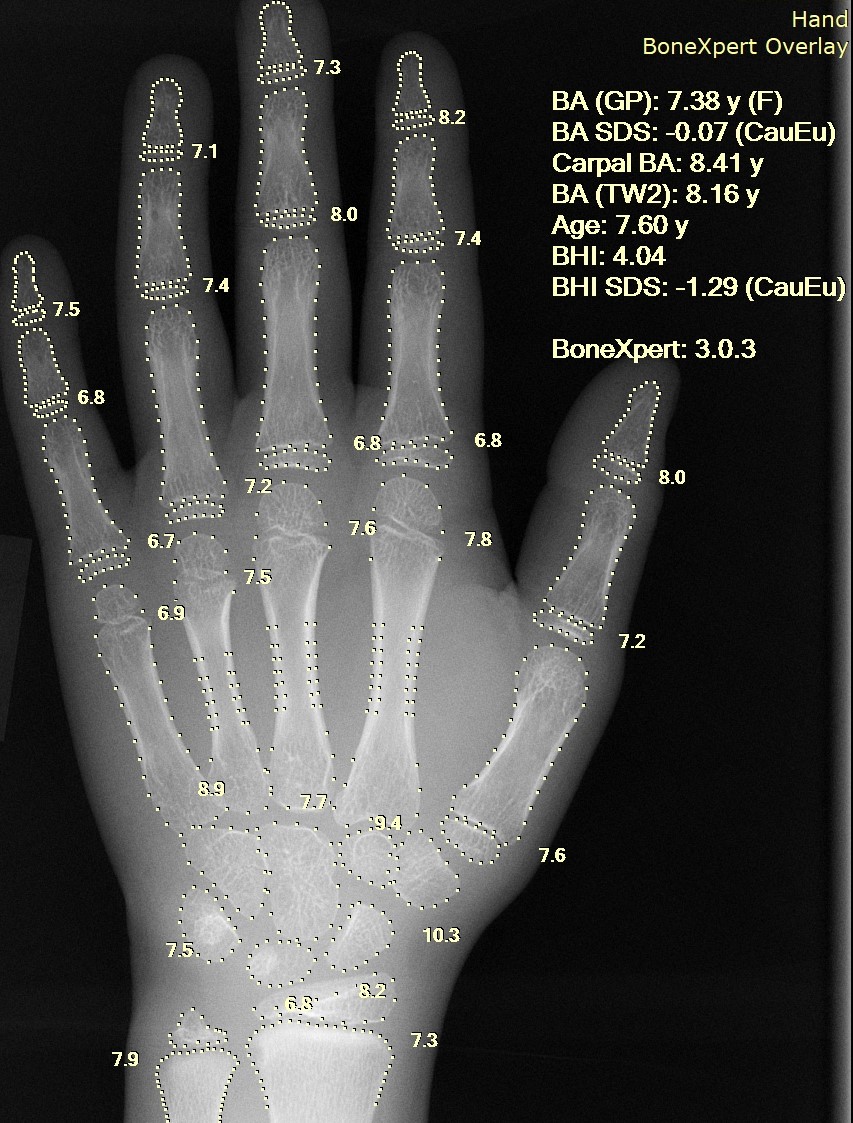
AI algorithms can analyze vast amounts of medical data, including images, lab results, and patient histories, to provide accurate diagnoses and treatment recommendations. For instance, Google DeepMind's AI-powered system can detect breast cancer from mammography images with a high degree of accuracy, outperforming human radiologists in some cases. Additionally, AI-powered chatbots like Ada Health are being used to provide personalized health advice and support to patients.
📊 Key Statistics and Trends
The market for AI in healthcare is growing rapidly, with an estimated global value of $2.5 billion in 2020, according to a report by MarketsandMarkets. The use of AI in healthcare is expected to improve patient outcomes, reduce costs, and enhance the overall quality of care. For example, AI-powered predictive analytics can help identify high-risk patients and prevent hospital readmissions, resulting in significant cost savings for healthcare providers. Furthermore, AI-assisted robotic surgery is becoming increasingly popular, with companies like Intuitive Surgical developing innovative solutions.
👥 Key Players and Collaborations
Key players in the AI in healthcare space include tech giants like Amazon, Facebook, and Apple, as well as healthcare companies like UnitedHealth Group and CVS Health. Collaborations between these organizations and research institutions like Harvard University and Johns Hopkins University are driving innovation and adoption. For instance, Apple's HealthKit platform is being used to develop AI-powered health apps, while Facebook's AI-powered platform is being used to detect and prevent the spread of diseases.
🌎 Global Impact and Adoption
The global impact of AI in healthcare is significant, with the potential to improve health outcomes, reduce costs, and enhance the quality of care. However, there are also challenges to be addressed, including data privacy, security, and the need for standardized regulations. The World Health Organization has established a framework for the development and use of AI in healthcare, emphasizing the need for transparency, accountability, and human oversight. Additionally, the Centers for Disease Control and Prevention is working to develop AI-powered solutions for disease surveillance and outbreak detection.
⚖️ Ethical Considerations and Challenges
The use of AI in healthcare raises significant ethical concerns, including the potential for bias in AI algorithms, the need for transparency and accountability, and the risk of job automation. For example, AI-powered diagnostic systems may perpetuate existing biases in medical data, leading to unequal treatment of certain patient groups. Moreover, the use of AI in healthcare may also raise concerns about patient autonomy and informed consent. As such, it is essential to develop and implement robust guidelines and regulations to ensure the responsible development and use of AI in healthcare.
🔮 Future Outlook and Predictions
The future of AI in healthcare is promising, with projected investments reaching $6.6 billion by 2025, according to a report by Grand View Research. As AI technology continues to evolve, we can expect to see significant advancements in areas like personalized medicine, predictive analytics, and patient engagement. For instance, AI-powered virtual nursing assistants may become increasingly common, providing patients with personalized support and care. Furthermore, AI-assisted medical research may lead to breakthroughs in disease diagnosis and treatment, improving patient outcomes and saving lives.
💡 Practical Applications and Use Cases
Practical applications of AI in healthcare include AI-powered diagnostic systems, personalized medicine, and patient monitoring. For example, AI-powered chatbots can provide patients with personalized health advice and support, while AI-assisted robotic surgery can improve surgical outcomes and reduce recovery times. Additionally, AI-powered predictive analytics can help identify high-risk patients and prevent hospital readmissions, resulting in significant cost savings for healthcare providers.
Key Facts
- Year
- 2020
- Origin
- Global
- Category
- public-health
- Type
- concept
Frequently Asked Questions
What is AI in healthcare?
AI in healthcare refers to the use of artificial intelligence technologies, such as machine learning and deep learning, to analyze and understand complex medical and healthcare data. This can include applications in diagnostics, treatment protocol development, drug development, personalized medicine, and patient monitoring and care. For example, AI-powered diagnostic systems can analyze medical images to detect diseases, while AI-assisted robotic surgery can improve surgical outcomes and reduce recovery times.
How is AI used in healthcare?
AI is used in healthcare to analyze medical data, develop personalized treatment plans, and improve patient outcomes. For instance, AI-powered chatbots can provide patients with personalized health advice and support, while AI-assisted predictive analytics can help identify high-risk patients and prevent hospital readmissions. Additionally, AI-powered virtual nursing assistants may become increasingly common, providing patients with personalized support and care.
What are the benefits of AI in healthcare?
The benefits of AI in healthcare include improved patient outcomes, reduced costs, and enhanced quality of care. AI can help identify high-risk patients, prevent hospital readmissions, and improve disease diagnosis and treatment. For example, AI-powered predictive analytics can help identify patients at risk of developing chronic diseases, allowing for early intervention and prevention. Moreover, AI-assisted medical research may lead to breakthroughs in disease diagnosis and treatment, improving patient outcomes and saving lives.
What are the challenges of AI in healthcare?
The challenges of AI in healthcare include ethical concerns around data privacy and security, job automation, and the need for standardized regulations. Additionally, there is a need for transparency and accountability in AI decision-making, as well as human oversight to ensure that AI systems are fair and unbiased. For instance, AI-powered diagnostic systems may perpetuate existing biases in medical data, leading to unequal treatment of certain patient groups. Moreover, the use of AI in healthcare may also raise concerns about patient autonomy and informed consent.
What is the future of AI in healthcare?
The future of AI in healthcare is promising, with projected investments reaching $6.6 billion by 2025, according to a report by Grand View Research. As AI technology continues to evolve, we can expect to see significant advancements in areas like personalized medicine, predictive analytics, and patient engagement. For example, AI-powered virtual nursing assistants may become increasingly common, providing patients with personalized support and care. Furthermore, AI-assisted medical research may lead to breakthroughs in disease diagnosis and treatment, improving patient outcomes and saving lives.
How can AI improve patient outcomes?
AI can improve patient outcomes by providing personalized treatment plans, improving disease diagnosis and treatment, and enhancing patient engagement. For instance, AI-powered chatbots can provide patients with personalized health advice and support, while AI-assisted predictive analytics can help identify high-risk patients and prevent hospital readmissions. Additionally, AI-powered virtual nursing assistants may become increasingly common, providing patients with personalized support and care.
What are the potential risks of AI in healthcare?
The potential risks of AI in healthcare include data breaches, job automation, and biased decision-making. Additionally, there is a risk of over-reliance on AI systems, which can lead to decreased human oversight and accountability. For instance, AI-powered diagnostic systems may perpetuate existing biases in medical data, leading to unequal treatment of certain patient groups. Moreover, the use of AI in healthcare may also raise concerns about patient autonomy and informed consent.