
Contents
- 🎯 Introduction to AI in Healthcare
- 💻 How AI Works in Healthcare
- 📊 Key Applications of AI in Healthcare
- 👥 Key Players in AI Healthcare
- 🌎 Global Impact of AI in Healthcare
- ⚖️ Ethical Considerations in AI Healthcare
- 🔮 Future of AI in Healthcare
- 💡 Practical Applications of AI in Healthcare
- 📚 Related Topics in AI Healthcare
- Frequently Asked Questions
- References
- Related Topics
Overview
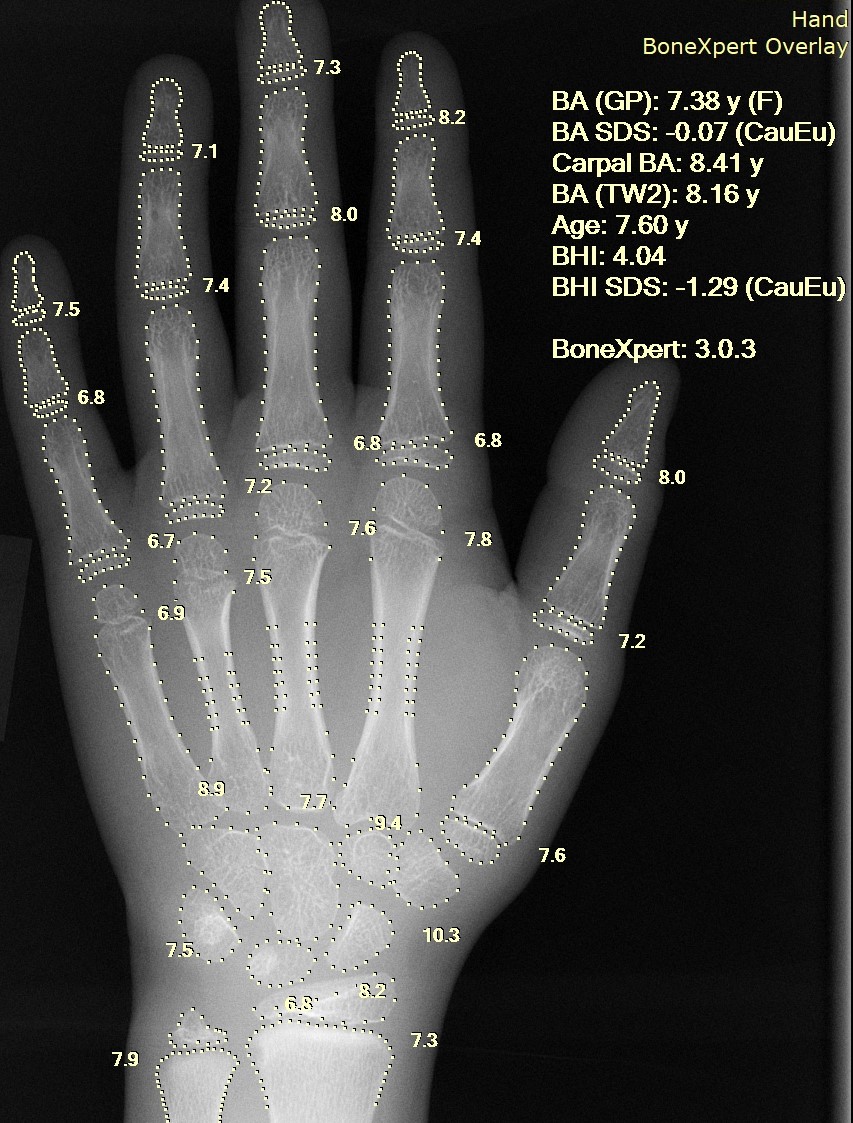
The integration of artificial intelligence (AI) in healthcare is revolutionizing the medical landscape, enabling faster and more accurate diagnoses, personalized treatment plans, and enhanced patient care. With AI-powered systems, healthcare professionals can analyze vast amounts of medical data, identify patterns, and make informed decisions. From image recognition in radiology to natural language processing in clinical notes, AI is transforming various aspects of healthcare. Google Health is using AI to develop more accurate diagnostic tools, while IBM Watson is applying AI to improve patient outcomes. AI-powered systems can analyze medical images, such as x-rays and mri scans, to diagnose diseases more accurately. Additionally, AI can help develop personalized treatment plans, taking into account a patient's genetic profile, medical history, and lifestyle.
🎯 Introduction to AI in Healthcare
Introduction to AI in Healthcare — The use of artificial intelligence in healthcare is a rapidly growing field, with applications in diagnostics, treatment protocol development, drug development, personalized medicine, and patient monitoring. AI can analyze large amounts of medical data, identify patterns, and make predictions, enabling healthcare professionals to make informed decisions. For instance, Google Health is using AI to develop more accurate diagnostic tools, while IBM Watson is applying AI to improve patient outcomes.
💻 How AI Works in Healthcare
How AI Works in Healthcare — AI systems in healthcare use various techniques, including machine learning, deep learning, and natural language processing. These techniques enable AI systems to learn from large datasets, identify patterns, and make predictions.
📊 Key Applications of AI in Healthcare
Key Applications of AI in Healthcare — AI has numerous applications in healthcare, including medical imaging, clinical decision support, and patient engagement. AI-powered systems can analyze medical images, such as x-rays and mri scans, to diagnose diseases more accurately. Additionally, AI can help develop personalized treatment plans, taking into account a patient's genetic profile, medical history, and lifestyle.
👥 Key Players in AI Healthcare
Key Players in AI Healthcare — Several organizations are driving the adoption of AI in healthcare. Google, Microsoft, and IBM are developing AI-powered healthcare solutions.
🌎 Global Impact of AI in Healthcare
Global Impact of AI in Healthcare — The impact of AI in healthcare is being felt globally, with countries investing in AI-powered healthcare solutions.
⚖️ Ethical Considerations in AI Healthcare
Ethical Considerations in AI Healthcare — The use of AI in healthcare requires careful consideration of various factors to ensure responsible and ethical use.
🔮 Future of AI in Healthcare
Future of AI in Healthcare — The future of AI in healthcare is promising, with potential applications in precision medicine, telemedicine, and healthcare analytics. As the field continues to evolve, it is essential to stay up-to-date with the latest developments and advancements.
💡 Practical Applications of AI in Healthcare
Practical Applications of AI in Healthcare — AI has numerous practical applications in healthcare, including disease diagnosis, treatment planning, and patient monitoring. For example, AI-powered systems can analyze medical data to identify high-risk patients.
Key Facts
- Year
- 2022
- Origin
- United States
- Category
- medicine
- Type
- concept
Frequently Asked Questions
What are the applications of AI in healthcare?
AI has numerous applications in healthcare, including medical imaging analysis, personalized medicine, and patient monitoring. For example, AI-powered systems can analyze medical images to diagnose diseases more accurately, while AI-powered chatbots can help patients manage their health.
How can AI improve patient outcomes?
AI can improve patient outcomes by providing more accurate diagnoses, developing personalized treatment plans, and enhancing patient monitoring. For example, AI-powered systems can analyze medical data to identify high-risk patients and provide early interventions.
What are the challenges in implementing AI in healthcare?
The challenges in implementing AI in healthcare include data quality issues, lack of standardization, and regulatory hurdles. Additionally, there is a need for more research on the effectiveness and safety of AI-powered healthcare solutions.
How can AI assist in disease diagnosis?
AI can assist in disease diagnosis by analyzing medical images, such as x-rays and mri scans, to diagnose diseases more accurately.