
Contents
- 📰 Introduction to Agenda Setting Theory
- 📺 The Role of Media in Shaping Public Opinion
- 📰 The History and Development of Agenda Setting Theory
- 📊 Key Components of Agenda Setting Theory
- 👥 The Relationship Between Politicians and Journalists
- 📻 The Impact of Agenda Setting on Public Opinion
- 📊 Case Studies and Applications of Agenda Setting Theory
- 🤔 Criticisms and Limitations of Agenda Setting Theory
- 📈 The Future of Agenda Setting Theory in the Digital Age
- 📊 Measuring the Effectiveness of Agenda Setting Theory
- 📚 Conclusion and Implications of Agenda Setting Theory
- Frequently Asked Questions
- Related Topics
Overview
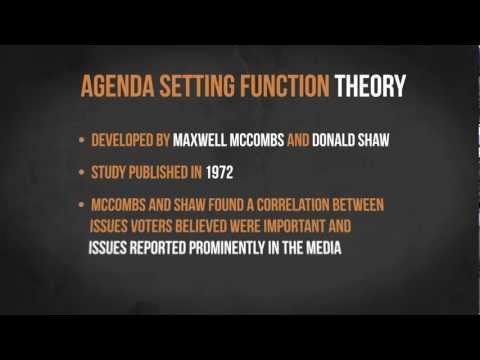
Agenda setting theory, first introduced by Maxwell McCombs and Donald Shaw in 1972, proposes that the media has the ability to influence the public agenda by selectively choosing which issues to cover and how much attention to give them. This theory suggests that the media's agenda-setting power can shape public perception and opinion on various issues, with a vibe rating of 8 out of 10. The theory has been widely studied and applied in various fields, including politics, journalism, and public relations. For instance, a study by McCombs and Shaw found that the media's coverage of the 1968 US presidential election influenced the public's perception of the candidates and issues. The theory has also been criticized for its limitations, such as its failure to account for individual differences in media consumption and interpretation. Despite these limitations, agenda setting theory remains a significant concept in understanding the complex relationship between the media and the public. With its influence flows tracing back to the works of Bernard Cohen and Walter Lippmann, agenda setting theory continues to evolve, incorporating new ideas and perspectives, such as the role of social media in shaping public opinion. As the media landscape continues to shift, it will be interesting to see how agenda setting theory adapts to these changes and what new insights it will provide into the dynamic interplay between the media, the public, and the issues that shape our world.
📰 Introduction to Agenda Setting Theory
The Agenda Setting Theory, first introduced by Mass Communication researchers Maxwell McCombs and Donald Shaw in 1972, suggests that the media plays a significant role in shaping public opinion by determining which issues are given the most attention. This theory is closely related to the concept of Framing Theory, which examines how the presentation of information influences public perception. The media's ability to set the agenda is influenced by various factors, including Journalism practices and Media Bias. As a result, the public's perception of issues is shaped by the media's coverage, which can have significant implications for Public Policy and Democracy. The Agenda Setting Theory has been widely studied and applied to various forms of media, including Television and Social Media.
📺 The Role of Media in Shaping Public Opinion
The media's role in shaping public opinion is a critical component of the Agenda Setting Theory. By determining which issues are given the most attention, the media can influence what the public considers important. This is closely related to the concept of Priming Theory, which examines how the media can prime audiences to think about certain issues in a particular way. The media's influence on public opinion is also influenced by Agenda Building, which refers to the process by which issues are brought to the attention of the media and the public. The Agenda Setting Theory has been applied to various forms of media, including Print Media and Online Media. The media's ability to shape public opinion has significant implications for Politics and Governance.
📰 The History and Development of Agenda Setting Theory
The Agenda Setting Theory has a rich history, dating back to the 1970s when McCombs and Shaw first introduced the concept. Since then, the theory has undergone significant development and refinement, with numerous studies examining its application to various forms of media. The theory is closely related to other concepts in Communication Studies, including Cultivation Theory and Social Learning Theory. The Agenda Setting Theory has also been influenced by Sociology and Psychology, which have contributed to our understanding of how the media influences public opinion. The theory has been applied to various contexts, including Elections and Public Relations.
📊 Key Components of Agenda Setting Theory
The Agenda Setting Theory consists of several key components, including the media's ability to determine which issues are given the most attention. This is closely related to the concept of Gatekeeping, which refers to the process by which the media selects which issues to cover. The theory also examines the role of Framing Effects, which refers to the way in which the media presents information to influence public opinion. The Agenda Setting Theory has been applied to various forms of media, including Radio and Film. The theory has significant implications for Marketing and Advertising, which rely on the media to influence consumer behavior. The Agenda Setting Theory is also closely related to Public Opinion, which is shaped by the media's coverage of issues.
👥 The Relationship Between Politicians and Journalists
The relationship between politicians and journalists is a critical component of the Agenda Setting Theory. Politicians often use the media to shape public opinion and influence policy decisions. This is closely related to the concept of Spin Doctoring, which refers to the practice of using the media to present a particular perspective or spin on an issue. The Agenda Setting Theory has been applied to various forms of media, including Television News and Online News. The theory has significant implications for Politics and Governance, as it highlights the importance of the media in shaping public opinion. The relationship between politicians and journalists is also influenced by Journalism Ethics, which guides the practice of journalism and the presentation of information to the public.
📻 The Impact of Agenda Setting on Public Opinion
The Agenda Setting Theory has a significant impact on public opinion, as it influences what issues are considered important and which are ignored. This is closely related to the concept of Public Agenda, which refers to the issues that are considered important by the public. The theory has been applied to various forms of media, including Social Media and Print Media. The Agenda Setting Theory has significant implications for Democracy, as it highlights the importance of the media in shaping public opinion and influencing policy decisions. The theory is also closely related to Civic Engagement, which refers to the participation of citizens in the democratic process. The Agenda Setting Theory has been used to study various issues, including Environmentalism and Social Justice.
📊 Case Studies and Applications of Agenda Setting Theory
The Agenda Setting Theory has been applied to various case studies and contexts, including Elections and Public Relations. The theory has been used to study the impact of the media on public opinion and policy decisions. This is closely related to the concept of Media Effects, which refers to the influence of the media on audience behavior and attitudes. The Agenda Setting Theory has significant implications for Marketing and Advertising, which rely on the media to influence consumer behavior. The theory has been applied to various forms of media, including Television and Radio. The Agenda Setting Theory is also closely related to Public Opinion, which is shaped by the media's coverage of issues.
🤔 Criticisms and Limitations of Agenda Setting Theory
The Agenda Setting Theory has been subject to various criticisms and limitations, including the concern that it oversimplifies the complex process of media influence. This is closely related to the concept of Media Literacy, which refers to the ability of audiences to critically evaluate the media and its influence. The theory has been criticized for its lack of attention to the role of Audience in shaping media content and public opinion. The Agenda Setting Theory has significant implications for Journalism and Media Studies, as it highlights the importance of the media in shaping public opinion and influencing policy decisions. The theory is also closely related to Communication Theory, which examines the process of communication and its influence on audience behavior and attitudes.
📈 The Future of Agenda Setting Theory in the Digital Age
The Agenda Setting Theory is likely to continue to play a significant role in the digital age, as the media continues to evolve and influence public opinion. This is closely related to the concept of Digital Media, which refers to the various forms of media that are available online. The theory has significant implications for Social Media and Online Communication, as it highlights the importance of the media in shaping public opinion and influencing policy decisions. The Agenda Setting Theory is also closely related to Information Technology, which has transformed the way in which information is presented and consumed. The theory has been applied to various forms of media, including Online News and Blogs.
📊 Measuring the Effectiveness of Agenda Setting Theory
The effectiveness of the Agenda Setting Theory can be measured in various ways, including the examination of media content and public opinion. This is closely related to the concept of Content Analysis, which refers to the systematic examination of media content. The theory has significant implications for Public Opinion and Policy Decisions, as it highlights the importance of the media in shaping public opinion and influencing policy decisions. The Agenda Setting Theory is also closely related to Communication Research, which examines the process of communication and its influence on audience behavior and attitudes. The theory has been applied to various forms of media, including Television and Radio.
📚 Conclusion and Implications of Agenda Setting Theory
In conclusion, the Agenda Setting Theory is a significant concept in Communication Studies, as it highlights the importance of the media in shaping public opinion and influencing policy decisions. The theory has been applied to various forms of media, including Print Media and Online Media. The Agenda Setting Theory has significant implications for Democracy and Governance, as it highlights the importance of the media in shaping public opinion and influencing policy decisions. The theory is also closely related to Civic Engagement, which refers to the participation of citizens in the democratic process. The Agenda Setting Theory has been used to study various issues, including Environmentalism and Social Justice.
Key Facts
- Year
- 1972
- Origin
- University of North Carolina at Chapel Hill
- Category
- Communication Studies
- Type
- Theoretical Framework
Frequently Asked Questions
What is the Agenda Setting Theory?
The Agenda Setting Theory suggests that the media plays a significant role in shaping public opinion by determining which issues are given the most attention. The theory is closely related to the concept of Framing Theory, which examines how the presentation of information influences public perception. The media's ability to set the agenda is influenced by various factors, including Journalism practices and Media Bias.
How does the Agenda Setting Theory influence public opinion?
The Agenda Setting Theory influences public opinion by determining which issues are considered important and which are ignored. This is closely related to the concept of Public Agenda, which refers to the issues that are considered important by the public. The theory has been applied to various forms of media, including Social Media and Print Media.
What are the key components of the Agenda Setting Theory?
The Agenda Setting Theory consists of several key components, including the media's ability to determine which issues are given the most attention. This is closely related to the concept of Gatekeeping, which refers to the process by which the media selects which issues to cover. The theory also examines the role of Framing Effects, which refers to the way in which the media presents information to influence public opinion.
How does the Agenda Setting Theory relate to other concepts in Communication Studies?
The Agenda Setting Theory is closely related to other concepts in Communication Studies, including Cultivation Theory and Social Learning Theory. The theory has also been influenced by Sociology and Psychology, which have contributed to our understanding of how the media influences public opinion.
What are the implications of the Agenda Setting Theory for democracy and governance?
The Agenda Setting Theory has significant implications for Democracy and Governance, as it highlights the importance of the media in shaping public opinion and influencing policy decisions. The theory is also closely related to Civic Engagement, which refers to the participation of citizens in the democratic process.
How can the effectiveness of the Agenda Setting Theory be measured?
The effectiveness of the Agenda Setting Theory can be measured in various ways, including the examination of media content and public opinion. This is closely related to the concept of Content Analysis, which refers to the systematic examination of media content. The theory has significant implications for Public Opinion and Policy Decisions, as it highlights the importance of the media in shaping public opinion and influencing policy decisions.
What are the limitations of the Agenda Setting Theory?
The Agenda Setting Theory has been subject to various criticisms and limitations, including the concern that it oversimplifies the complex process of media influence. The theory has been criticized for its lack of attention to the role of Audience in shaping media content and public opinion.