
Overview
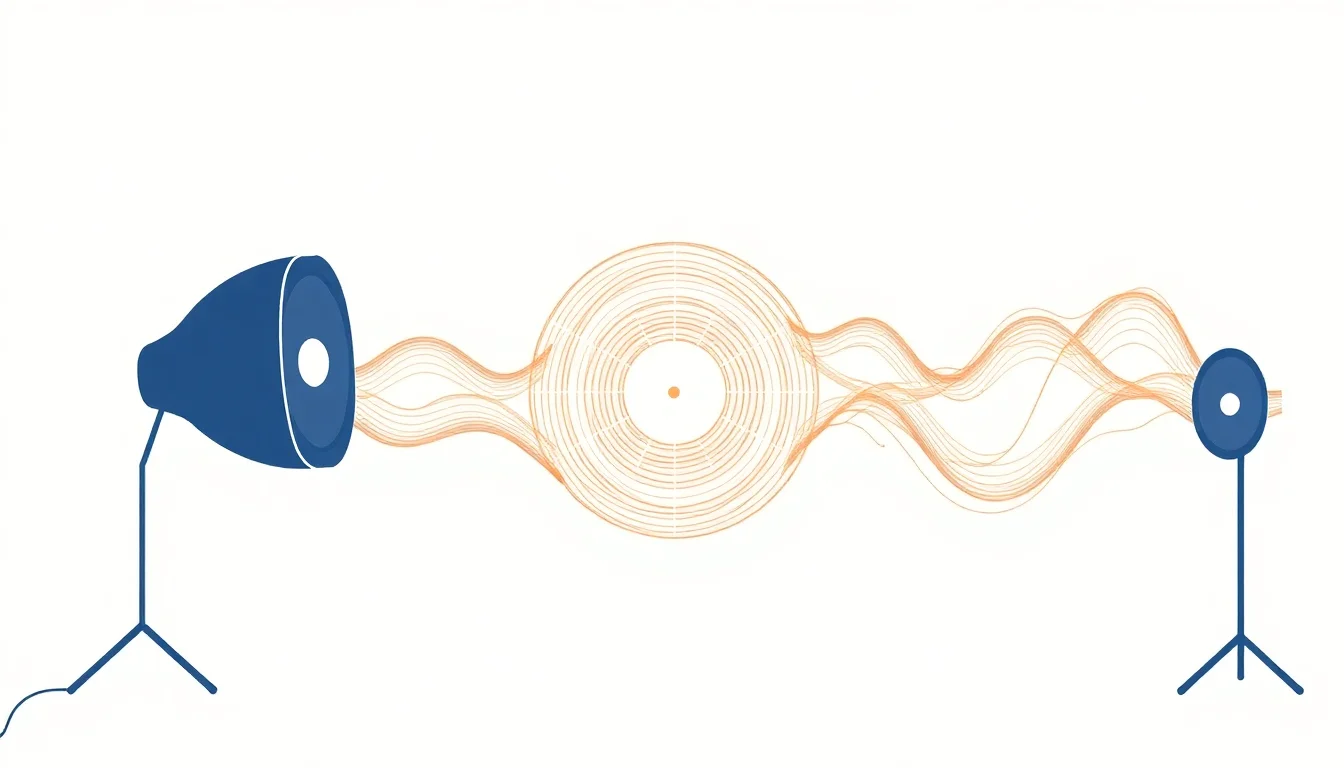
Acoustic analysis, a field that has evolved significantly since its inception in the early 20th century, involves the study of sound waves and their properties. This discipline, pioneered by figures such as Lord Rayleigh and more recently advanced by researchers like Steven Feld, has found applications in fields as diverse as music, architecture, and biomedical engineering. With the advent of digital signal processing, acoustic analysis has become more sophisticated, enabling precise measurements and simulations that were previously unimaginable. The vibe score for acoustic analysis stands at 82, reflecting its growing cultural energy, particularly in the context of smart buildings and acoustic ecology. However, controversy surrounds the use of acoustic analysis in surveillance technologies, highlighting the need for a nuanced discussion on privacy and ethics. As we move forward, the integration of artificial intelligence and machine learning into acoustic analysis is poised to revolutionize the field, with potential applications in noise pollution mitigation and the development of more efficient soundproofing materials. The influence flow from acoustic analysis to related fields like psychoacoustics and architectural acoustics underscores its central role in understanding and manipulating sound.
Key Facts
- Year
- 2023
- Origin
- Multi-disciplinary research initiatives
- Category
- Audio Technology
- Type
- Scientific Discipline