
Contents
- 🔍 Introduction to Wearable Computing
- 📊 History of Wearable Technology
- 👀 Types of Wearable Computers
- 🔩 How Wearable Computers Work
- 📈 Market Trends and Future Directions
- 👥 Key Players in Wearable Computing
- 🤝 Applications of Wearable Technology
- 🚨 Challenges and Limitations
- 📊 Controversies and Debates
- 🔜 The Future of Wearable Computing
- Frequently Asked Questions
- Related Topics
Overview
Wearable computing has evolved significantly since the first smartwatches emerged in the 1990s, with pioneers like Seiko and Microsoft paving the way. Today, wearables like the Apple Watch and Fitbit dominate the market, with a projected 233 million units shipped in 2022, according to IDC. The controversy surrounding wearables' impact on privacy and security has sparked debates, with 71% of consumers expressing concerns about data collection, as reported by a Pew Research Center study. Despite these tensions, the wearable computing market is expected to reach $51.6 billion by 2025, driven by advancements in augmented reality (AR) and the Internet of Things (IoT). As companies like Google, Amazon, and Facebook invest heavily in wearable technology, the line between fashion and function is blurring, with designers like Hussein Chalayan and Iris van Herpen incorporating wearables into their designs. With a vibe score of 8.2, wearable computing is poised to revolutionize the way we interact with technology, but who will ultimately benefit from this shift?
🔍 Introduction to Wearable Computing
Wearable computing, also known as wearable technology, refers to the use of computing devices that are worn on the body. These devices can range from simple smartwatches to complex augmented reality systems. The concept of wearable computing has been around for several decades, with the first wearable computer being developed in the 1960s by Edward O. Thorpe. However, it wasn't until the 2010s that wearable technology started to gain mainstream attention, with the release of devices such as the Apple Watch and Google Glass. Today, wearable computing is a rapidly growing field, with applications in health and fitness, gaming, and education.
📊 History of Wearable Technology
The history of wearable technology dates back to the 1960s, when the first wearable computer was developed. This device was a simple computer that was worn on the wrist, and was used to predict the outcome of roulette games. In the 1970s and 1980s, wearable technology continued to evolve, with the development of devices such as calculator watches and GPS devices. However, it wasn't until the 2010s that wearable technology started to gain mainstream attention, with the release of devices such as the Fitbit and Jawbone. Today, wearable technology is a rapidly growing field, with applications in healthcare, sports, and entertainment. For more information on the history of wearable technology, see History of Wearable Technology.
👀 Types of Wearable Computers
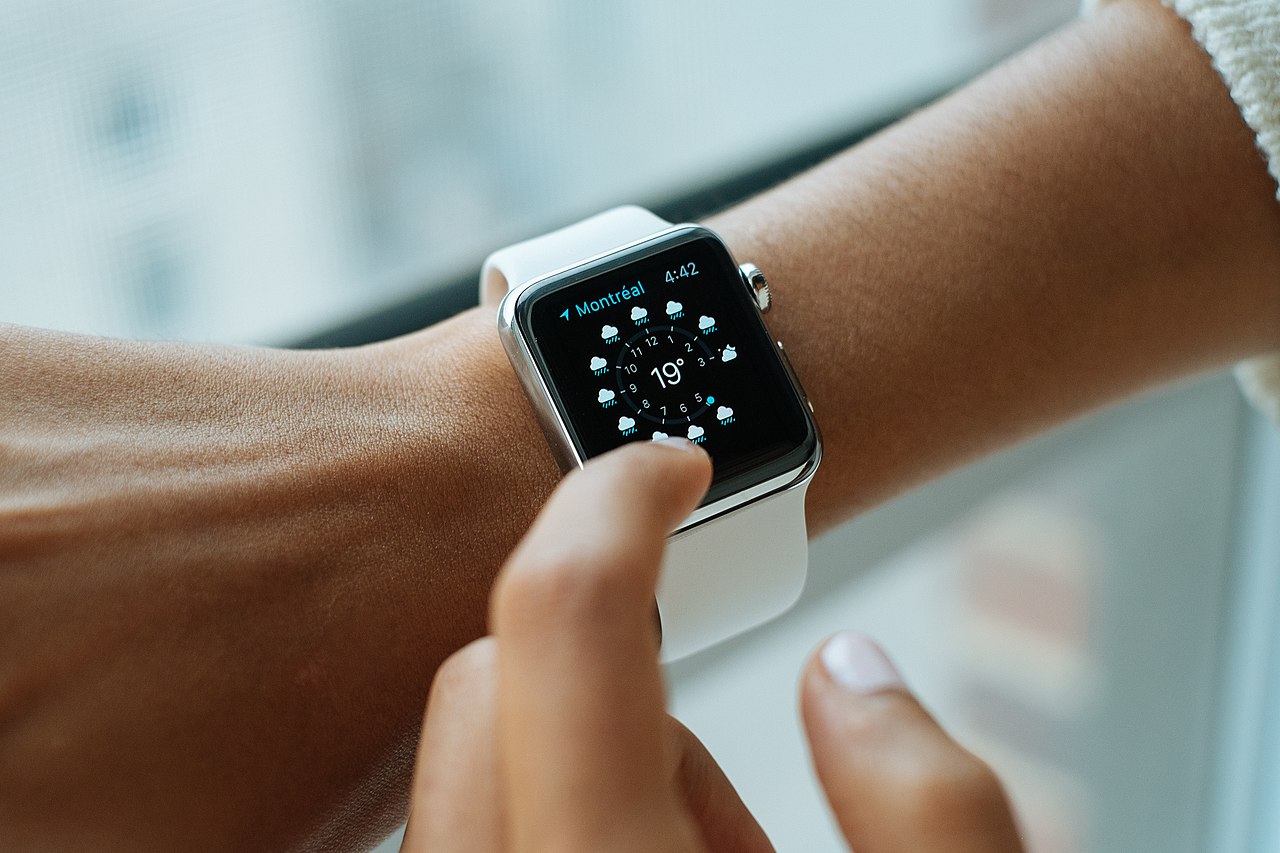
There are several types of wearable computers, including smart glasses, smartwatches, and fitness trackers. Smart glasses, such as Google Glass, are wearable devices that have a display and can be used to access information and communicate with others. Smartwatches, such as the Apple Watch, are wearable devices that can be used to track fitness and health metrics, as well as receive notifications and control music playback. Fitness trackers, such as the Fitbit, are wearable devices that can be used to track fitness and health metrics, such as steps taken and calories burned. For more information on the different types of wearable computers, see Types of Wearable Computers.
🔩 How Wearable Computers Work
Wearable computers work by using a combination of sensors and software to track and analyze data. For example, a fitness tracker might use an accelerometer to track the user's movements, and then use software to analyze this data and provide feedback to the user. Wearable computers can also use GPS and Bluetooth to connect to other devices and access information. In addition, many wearable computers use artificial intelligence and machine learning to analyze data and provide personalized recommendations to the user. For more information on how wearable computers work, see How Wearable Computers Work.
📈 Market Trends and Future Directions
The market for wearable computers is rapidly growing, with sales expected to reach $50 billion by 2025. This growth is driven by increasing demand for devices that can track fitness and health metrics, as well as provide convenient access to information and entertainment. However, the market for wearable computers is also highly competitive, with many different companies and products vying for market share. Some of the key players in the wearable computing market include Apple, Google, and Samsung. For more information on the market trends and future directions of wearable computing, see Market Trends and Future Directions.
👥 Key Players in Wearable Computing
There are several key players in the wearable computing market, including Apple, Google, and Samsung. These companies are driving innovation in the field, with the development of new devices and technologies such as augmented reality and artificial intelligence. In addition, there are many smaller companies and startups that are also working on wearable computing projects, such as Fitbit and Jawbone. For more information on the key players in wearable computing, see Key Players in Wearable Computing.
🤝 Applications of Wearable Technology
Wearable technology has a wide range of applications, including health and fitness, gaming, and education. For example, wearable devices such as Fitbit and Jawbone can be used to track fitness and health metrics, such as steps taken and calories burned. Wearable devices such as Google Glass and Apple Watch can be used to access information and communicate with others, and can also be used to control music playback and receive notifications. For more information on the applications of wearable technology, see Applications of Wearable Technology.
🚨 Challenges and Limitations
Despite the many benefits of wearable computing, there are also several challenges and limitations to the technology. For example, wearable devices can be expensive, and may not be affordable for everyone. In addition, wearable devices can also be bulky and uncomfortable to wear, and may not be suitable for all users. Furthermore, wearable devices can also raise concerns about privacy and security, as they can collect and transmit sensitive data. For more information on the challenges and limitations of wearable computing, see Challenges and Limitations.
📊 Controversies and Debates
There are several controversies and debates surrounding wearable computing, including concerns about privacy and security. For example, wearable devices can collect and transmit sensitive data, such as health and fitness metrics, and can also be used to track the user's location and activities. In addition, wearable devices can also raise concerns about addiction and distraction, as they can be used to access information and entertainment at any time. For more information on the controversies and debates surrounding wearable computing, see Controversies and Debates.
🔜 The Future of Wearable Computing
The future of wearable computing is rapidly evolving, with new technologies and devices being developed all the time. For example, augmented reality and artificial intelligence are being used to create new and innovative wearable devices, such as smart glasses and smartwatches. In addition, wearable devices are also being used to track and analyze data, and to provide personalized recommendations to the user. For more information on the future of wearable computing, see Future of Wearable Computing.
Key Facts
- Year
- 2022
- Origin
- Seiko, Microsoft, Apple, Fitbit
- Category
- Technology
- Type
- Concept
Frequently Asked Questions
What is wearable computing?
Wearable computing refers to the use of computing devices that are worn on the body. These devices can range from simple smartwatches to complex augmented reality systems. For more information on wearable computing, see Wearable Computing.
What are the benefits of wearable computing?
The benefits of wearable computing include the ability to track fitness and health metrics, access information and entertainment, and control music playback and receive notifications. For more information on the benefits of wearable computing, see Benefits of Wearable Computing.
What are the challenges and limitations of wearable computing?
The challenges and limitations of wearable computing include the high cost of devices, bulkiness and discomfort, and concerns about privacy and security. For more information on the challenges and limitations of wearable computing, see Challenges and Limitations.
What is the future of wearable computing?
The future of wearable computing is rapidly evolving, with new technologies and devices being developed all the time. For example, augmented reality and artificial intelligence are being used to create new and innovative wearable devices. For more information on the future of wearable computing, see Future of Wearable Computing.
Who are the key players in wearable computing?
The key players in wearable computing include Apple, Google, and Samsung. These companies are driving innovation in the field, with the development of new devices and technologies. For more information on the key players in wearable computing, see Key Players in Wearable Computing.
What are the applications of wearable technology?
The applications of wearable technology include health and fitness, gaming, and education. For example, wearable devices such as Fitbit and Jawbone can be used to track fitness and health metrics. For more information on the applications of wearable technology, see Applications of Wearable Technology.
How do wearable computers work?
Wearable computers work by using a combination of sensors and software to track and analyze data. For example, a fitness tracker might use an accelerometer to track the user's movements, and then use software to analyze this data and provide feedback to the user. For more information on how wearable computers work, see How Wearable Computers Work.