
Contents
- 🚀 Introduction to Telemedicine
- 📊 The Evolution of Telehealth
- 👥 Benefits of Telemedicine for Patients
- 🏥 Benefits of Telemedicine for Healthcare Providers
- 📈 The Role of Artificial Intelligence in Telemedicine
- 📊 Telemedicine and Electronic Medical Records
- 📞 Remote Patient Monitoring and Telemedicine
- 🤝 The Future of Telemedicine and Healthcare
- 📊 Telemedicine and Healthcare Policy
- 📈 The Economics of Telemedicine
- 📊 Telemedicine and Medical Education
- 🚀 Conclusion: The Future of Telemedicine
- Frequently Asked Questions
- Related Topics
Overview
Telemedicine has been gaining traction since the early 2000s, with the first virtual consultations taking place in 2004, but it wasn't until the COVID-19 pandemic that it became a mainstream phenomenon, with a 50% increase in virtual consultations in 2020 alone, as reported by the American Telemedicine Association. Today, telemedicine is used by over 70% of healthcare providers, including companies like Teladoc and American Well, with a market size projected to reach $185 billion by 2026, according to a report by Grand View Research. Despite its growth, telemedicine faces challenges such as reimbursement issues, with only 22 states in the US having parity laws, and concerns over patient data security, with 60% of healthcare providers citing it as a major concern, as per a survey by the Healthcare Information and Management Systems Society. As the technology continues to evolve, with the integration of AI and IoT, we can expect to see even more innovative applications, such as remote patient monitoring and virtual reality therapy. With a vibe score of 80, telemedicine is poised to revolutionize the way we approach healthcare, but it's crucial to address the existing challenges to ensure its long-term success. The influence of telemedicine can be seen in the work of pioneers like Dr. Joseph Kvedar, who has been a driving force behind the development of telemedicine, and companies like Medtronic, which has invested heavily in telemedicine research and development.
🚀 Introduction to Telemedicine
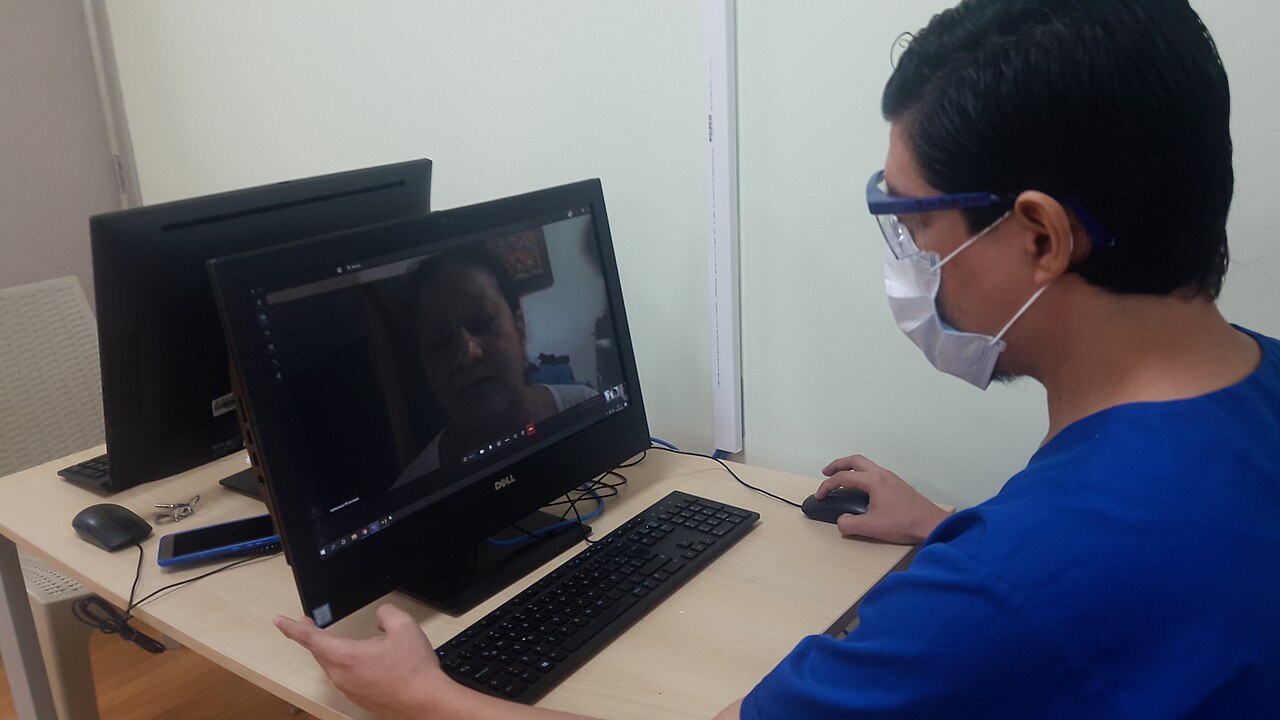
Telemedicine, also known as telehealth, is the use of electronic information and Telecommunication technologies to support long-distance clinical health care, patient and professional health-related education, health administration, and public health. This includes data sharing by way of Patient Portals and Electronic Medical Records. As the healthcare industry continues to evolve, telemedicine is becoming an increasingly important part of the healthcare landscape. With the help of Telehealth technologies, patients can now receive medical care from the comfort of their own homes, reducing the need for hospital visits and improving health outcomes. The use of Health Information Exchange is also becoming more prevalent, allowing for the secure sharing of patient data between healthcare providers.
📊 The Evolution of Telehealth
The evolution of telehealth has been rapid, with significant advancements in Telecommunication technologies and the development of new Healthcare Technologies. The use of Video Conferencing and Remote Patient Monitoring has become more widespread, allowing healthcare providers to remotely monitor patients and provide real-time care. The integration of Artificial Intelligence and Machine Learning into telemedicine is also becoming more prevalent, enabling healthcare providers to analyze large amounts of patient data and make more informed decisions. As the use of Telehealth continues to grow, it is likely that we will see even more innovative technologies emerge, such as Virtual Reality and Augmented Reality.
👥 Benefits of Telemedicine for Patients
One of the primary benefits of telemedicine for patients is the increased accessibility of healthcare services. With the use of Telehealth technologies, patients can now receive medical care from anywhere, at any time, reducing the need for hospital visits and improving health outcomes. Telemedicine also provides patients with greater control over their healthcare, allowing them to take a more active role in their care and make more informed decisions. The use of Patient Engagement platforms and Personalized Medicine is also becoming more prevalent, enabling patients to take a more proactive approach to their healthcare. Additionally, telemedicine can help to reduce healthcare costs for patients, as it eliminates the need for travel and reduces the length of hospital stays.
🏥 Benefits of Telemedicine for Healthcare Providers
Telemedicine also provides numerous benefits for healthcare providers, including increased efficiency and productivity. With the use of Telehealth technologies, healthcare providers can remotely monitor patients and provide real-time care, reducing the need for hospital visits and improving health outcomes. The integration of Electronic Medical Records and Health Information Exchange into telemedicine is also becoming more prevalent, enabling healthcare providers to access patient data more easily and make more informed decisions. Telemedicine can also help to reduce healthcare costs for providers, as it reduces the need for hospital resources and personnel. Furthermore, telemedicine can help to improve patient satisfaction and engagement, as it provides patients with greater control over their healthcare and allows them to take a more active role in their care.
📈 The Role of Artificial Intelligence in Telemedicine
The role of Artificial Intelligence in telemedicine is becoming increasingly important, as it enables healthcare providers to analyze large amounts of patient data and make more informed decisions. The use of Machine Learning and Natural Language Processing is also becoming more prevalent, enabling healthcare providers to identify patterns and trends in patient data and develop more effective treatment plans. The integration of AI-Powered Chatbots and Virtual Assistants into telemedicine is also becoming more common, providing patients with greater support and guidance throughout their care journey. As the use of Artificial Intelligence in telemedicine continues to grow, it is likely that we will see even more innovative applications emerge, such as Predictive Analytics and Personalized Medicine.
📊 Telemedicine and Electronic Medical Records
The use of Electronic Medical Records and Health Information Exchange is critical to the success of telemedicine. These technologies enable healthcare providers to access patient data more easily and make more informed decisions, improving health outcomes and reducing healthcare costs. The integration of Telehealth technologies into Electronic Medical Records is also becoming more prevalent, enabling healthcare providers to remotely monitor patients and provide real-time care. The use of Interoperability standards and Data Analytics is also becoming more important, enabling healthcare providers to analyze large amounts of patient data and identify trends and patterns. As the use of Electronic Medical Records and Health Information Exchange continues to grow, it is likely that we will see even more innovative applications emerge, such as Precision Medicine and Population Health.
📞 Remote Patient Monitoring and Telemedicine
Remote patient monitoring is a critical component of telemedicine, enabling healthcare providers to remotely monitor patients and provide real-time care. The use of Wearable Devices and Mobile Health technologies is becoming more prevalent, enabling patients to track their health and wellness more easily and providing healthcare providers with more accurate and timely data. The integration of Artificial Intelligence and Machine Learning into remote patient monitoring is also becoming more common, enabling healthcare providers to identify patterns and trends in patient data and develop more effective treatment plans. As the use of remote patient monitoring continues to grow, it is likely that we will see even more innovative applications emerge, such as Predictive Analytics and Personalized Medicine.
🤝 The Future of Telemedicine and Healthcare
The future of telemedicine is likely to be shaped by a number of factors, including advances in Telecommunication technologies and the development of new Healthcare Technologies. The integration of Artificial Intelligence and Machine Learning into telemedicine is likely to become even more prevalent, enabling healthcare providers to analyze large amounts of patient data and make more informed decisions. The use of Virtual Reality and Augmented Reality in telemedicine is also likely to become more common, providing patients with more immersive and engaging experiences. As the use of telemedicine continues to grow, it is likely that we will see even more innovative applications emerge, such as Precision Medicine and Population Health.
📊 Telemedicine and Healthcare Policy
Telemedicine and healthcare policy are closely intertwined, as policymakers seek to promote the adoption of telemedicine and ensure that it is used in a way that is safe, effective, and equitable. The use of Telehealth technologies is subject to a number of regulations and guidelines, including those related to HIPAA and Health Information Exchange. The integration of Telemedicine into Accountable Care Organizations and Value-Based Care models is also becoming more prevalent, enabling healthcare providers to deliver high-quality, patient-centered care while reducing healthcare costs. As the use of telemedicine continues to grow, it is likely that we will see even more innovative applications emerge, such as Population Health and Public Health.
📈 The Economics of Telemedicine
The economics of telemedicine are complex and multifaceted, as healthcare providers and policymakers seek to promote the adoption of telemedicine while reducing healthcare costs. The use of Telehealth technologies can help to reduce healthcare costs by reducing the need for hospital visits and improving health outcomes. The integration of Telemedicine into Value-Based Care models is also becoming more prevalent, enabling healthcare providers to deliver high-quality, patient-centered care while reducing healthcare costs. As the use of telemedicine continues to grow, it is likely that we will see even more innovative applications emerge, such as Precision Medicine and Population Health.
📊 Telemedicine and Medical Education
Telemedicine and medical education are closely intertwined, as healthcare providers seek to educate patients and promote healthy behaviors. The use of Telehealth technologies can help to improve patient engagement and education, enabling patients to take a more active role in their care and make more informed decisions. The integration of Artificial Intelligence and Machine Learning into telemedicine is also becoming more prevalent, enabling healthcare providers to analyze large amounts of patient data and develop more effective treatment plans. As the use of telemedicine continues to grow, it is likely that we will see even more innovative applications emerge, such as Personalized Medicine and Population Health.
🚀 Conclusion: The Future of Telemedicine
In conclusion, telemedicine is a rapidly evolving field that is transforming the way healthcare is delivered. With the use of Telehealth technologies, patients can now receive medical care from anywhere, at any time, reducing the need for hospital visits and improving health outcomes. The integration of Artificial Intelligence and Machine Learning into telemedicine is likely to become even more prevalent, enabling healthcare providers to analyze large amounts of patient data and make more informed decisions. As the use of telemedicine continues to grow, it is likely that we will see even more innovative applications emerge, such as Precision Medicine and Population Health.
Key Facts
- Year
- 2020
- Origin
- USA
- Category
- Healthcare Technology
- Type
- Medical Concept
Frequently Asked Questions
What is telemedicine?
Telemedicine, also known as telehealth, is the use of electronic information and Telecommunication technologies to support long-distance clinical health care, patient and professional health-related education, health administration, and public health. This includes data sharing by way of Patient Portals and Electronic Medical Records. The use of Telehealth technologies is becoming increasingly important in the healthcare industry, as it enables patients to receive medical care from anywhere, at any time, reducing the need for hospital visits and improving health outcomes.
What are the benefits of telemedicine for patients?
The benefits of telemedicine for patients include increased accessibility of healthcare services, greater control over their healthcare, and improved health outcomes. With the use of Telehealth technologies, patients can now receive medical care from anywhere, at any time, reducing the need for hospital visits and improving health outcomes. The use of Patient Engagement platforms and Personalized Medicine is also becoming more prevalent, enabling patients to take a more proactive approach to their healthcare.
What is the role of artificial intelligence in telemedicine?
The role of Artificial Intelligence in telemedicine is becoming increasingly important, as it enables healthcare providers to analyze large amounts of patient data and make more informed decisions. The use of Machine Learning and Natural Language Processing is also becoming more prevalent, enabling healthcare providers to identify patterns and trends in patient data and develop more effective treatment plans. The integration of AI-Powered Chatbots and Virtual Assistants into telemedicine is also becoming more common, providing patients with greater support and guidance throughout their care journey.
What is remote patient monitoring?
Remote patient monitoring is a critical component of telemedicine, enabling healthcare providers to remotely monitor patients and provide real-time care. The use of Wearable Devices and Mobile Health technologies is becoming more prevalent, enabling patients to track their health and wellness more easily and providing healthcare providers with more accurate and timely data. The integration of Artificial Intelligence and Machine Learning into remote patient monitoring is also becoming more common, enabling healthcare providers to identify patterns and trends in patient data and develop more effective treatment plans.
What is the future of telemedicine?
The future of telemedicine is likely to be shaped by a number of factors, including advances in Telecommunication technologies and the development of new Healthcare Technologies. The integration of Artificial Intelligence and Machine Learning into telemedicine is likely to become even more prevalent, enabling healthcare providers to analyze large amounts of patient data and make more informed decisions. The use of Virtual Reality and Augmented Reality in telemedicine is also likely to become more common, providing patients with more immersive and engaging experiences.
What is the relationship between telemedicine and healthcare policy?
Telemedicine and healthcare policy are closely intertwined, as policymakers seek to promote the adoption of telemedicine and ensure that it is used in a way that is safe, effective, and equitable. The use of Telehealth technologies is subject to a number of regulations and guidelines, including those related to HIPAA and Health Information Exchange. The integration of Telemedicine into Accountable Care Organizations and Value-Based Care models is also becoming more prevalent, enabling healthcare providers to deliver high-quality, patient-centered care while reducing healthcare costs.
What are the economics of telemedicine?
The economics of telemedicine are complex and multifaceted, as healthcare providers and policymakers seek to promote the adoption of telemedicine while reducing healthcare costs. The use of Telehealth technologies can help to reduce healthcare costs by reducing the need for hospital visits and improving health outcomes. The integration of Telemedicine into Value-Based Care models is also becoming more prevalent, enabling healthcare providers to deliver high-quality, patient-centered care while reducing healthcare costs.