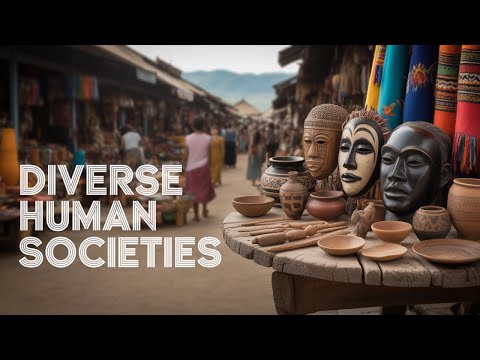
Unraveling Human Culture: Social Anthropology

InterdisciplinaryCulturally RelevantTheoretically Diverse

Social anthropology is a field of study that examines human cultures, behaviors, and societies, with a focus on understanding the complexities of human…

Unraveling Human Culture: Social Anthropology

Contents

  1. 🌎 Introduction to Social Anthropology
  2. 📚 History of Social Anthropology
  3. 🌍 Cultural Variations and Universals
  4. 👥 Social Structure and Organization
  5. 🤝 Kinship and Social Relations
  6. 📊 Methodologies in Social Anthropology
  7. 🌈 Applied Social Anthropology
  8. 🚀 Future Directions in Social Anthropology
  9. 📝 Key Concepts in Social Anthropology
  10. 👨‍🏫 Notable Social Anthropologists
  11. 📚 Social Anthropology and Other Disciplines
  12. 🌐 Global Perspectives on Social Anthropology
  13. Frequently Asked Questions
  14. Related Topics

Overview

Social anthropology is a field of study that examines human cultures, behaviors, and societies, with a focus on understanding the complexities of human interaction and the ways in which cultural norms, values, and beliefs shape our lives. From the works of Bronislaw Malinowski to the contemporary research of anthropologists like Sherry Ortner, social anthropology has evolved to incorporate a wide range of perspectives, including feminist, postcolonial, and queer theory. With a vibe score of 8, social anthropology is a dynamic and contested field, with debates surrounding issues like cultural relativism, globalization, and the role of power in shaping social relationships. Key figures like Claude Lévi-Strauss and Clifford Geertz have influenced the development of social anthropology, while recent studies have explored topics like digital cultures, environmental anthropology, and the anthropology of food. As social anthropology continues to grow and diversify, it is likely to remain a vital and thought-provoking field, with significant implications for our understanding of human societies and cultures. The influence of social anthropology can be seen in fields like sociology, psychology, and philosophy, with many researchers drawing on anthropological theories and methods to inform their work.

🌎 Introduction to Social Anthropology

Social anthropology is the study of patterns of behaviour in human societies and cultures, as seen in the work of Bronislaw Malinowski and Claude Lévi-Strauss. It is the dominant constituent of anthropology throughout the United Kingdom and much of Europe, where it is distinguished from cultural anthropology. In the United States, social anthropology is commonly subsumed within cultural anthropology or sociocultural anthropology. Social anthropologists examine how people live, work, and interact with one another in different societies, as discussed in social structure and cultural relativism. By studying these aspects of human culture, social anthropologists can gain a deeper understanding of the complexities of human society and the ways in which culture shapes our lives. For example, the concept of gift economy highlights the importance of reciprocity and social obligation in many cultures. The study of social anthropology has also been influenced by the work of Karl Marx and Emile Durkheim.

📚 History of Social Anthropology

The history of social anthropology is a rich and complex one, with roots in the work of August Comte and Herbert Spencer. The discipline has evolved over time, with significant contributions from anthropologists such as A.R. Radcliffe-Brown and E.E. Evans-Pritchard. Social anthropology has also been influenced by other disciplines, including sociology and psychology. The development of social anthropology has been shaped by various anthropological theories, such as structural functionalism and post-structuralism. These theories have helped to inform our understanding of human culture and society, as discussed in cultural studies and social theory. The history of social anthropology is also marked by significant ethnographic studies, such as those conducted by Margaret Mead and Clifford Geertz.

🌍 Cultural Variations and Universals

One of the key areas of study in social anthropology is cultural variations and universals, as explored in cultural universals and cultural relativism. Social anthropologists examine how different cultures approach similar challenges and how these approaches reflect the unique characteristics of each culture. For example, the concept of collectivism versus individualism highlights the differences in cultural values and social organization. By studying these variations and universals, social anthropologists can gain a deeper understanding of the complexities of human culture and the ways in which culture shapes our lives. The study of cultural variations and universals has also been influenced by the work of Sherry Ortner and Michel Foucault. Additionally, social anthropologists have explored the concept of cultural hybridity and its implications for our understanding of cultural identity and belonging.

👥 Social Structure and Organization

Social structure and organization are critical areas of study in social anthropology, as discussed in social structure and social organization. Social anthropologists examine how people are organized into groups and how these groups interact with one another. This includes the study of kinship and social relations, as well as the ways in which people are organized into social hierarchies. By understanding these aspects of social organization, social anthropologists can gain a deeper understanding of the ways in which culture shapes our lives and the ways in which social structures influence human behavior. The study of social structure and organization has also been influenced by the work of Marcel Mauss and George Homans. Furthermore, social anthropologists have explored the concept of social capital and its implications for our understanding of social cohesion and community.

🤝 Kinship and Social Relations

Kinship and social relations are fundamental aspects of human culture, as explored in kinship and social relations. Social anthropologists examine how people are related to one another and how these relationships shape our lives. This includes the study of family structure and marriage, as well as the ways in which people interact with one another in different social contexts. By understanding these aspects of kinship and social relations, social anthropologists can gain a deeper understanding of the complexities of human culture and the ways in which culture shapes our lives. The study of kinship and social relations has also been influenced by the work of Claude Lévi-Strauss and Michel Foucault. Additionally, social anthropologists have explored the concept of social networks and its implications for our understanding of social connectivity and community.

📊 Methodologies in Social Anthropology

Methodologies in social anthropology are diverse and include a range of techniques, such as participant observation and ethnographic interviews. Social anthropologists use these methodologies to gather data and gain a deeper understanding of the cultures they are studying. By using these methodologies, social anthropologists can develop a rich and nuanced understanding of human culture and the ways in which culture shapes our lives. The study of methodologies in social anthropology has also been influenced by the work of Bronislaw Malinowski and Clifford Geertz. Furthermore, social anthropologists have explored the concept of reflexivity and its implications for our understanding of the research process and the role of the researcher.

🌈 Applied Social Anthropology

Applied social anthropology is a growing field that involves the practical application of social anthropological knowledge and methods, as discussed in applied anthropology. Social anthropologists work in a range of settings, including development and healthcare, to apply their knowledge and skills to real-world problems. By using social anthropological knowledge and methods, practitioners can develop more effective solutions to these problems and improve the lives of people around the world. The study of applied social anthropology has also been influenced by the work of Eric Wolf and Sidney Mintz. Additionally, social anthropologists have explored the concept of participatory action research and its implications for our understanding of community engagement and social change.

🚀 Future Directions in Social Anthropology

The future of social anthropology is exciting and uncertain, as discussed in future of anthropology. Social anthropologists are continuing to develop new methodologies and approaches, such as digital ethnography and multimodal research. By using these new approaches, social anthropologists can gain a deeper understanding of the complexities of human culture and the ways in which culture shapes our lives. The study of the future of social anthropology has also been influenced by the work of Sherry Ortner and Michel Foucault. Furthermore, social anthropologists have explored the concept of anthropology of the future and its implications for our understanding of the discipline and its role in shaping the future of humanity.

📝 Key Concepts in Social Anthropology

Key concepts in social anthropology include culture, society, and social structure. Social anthropologists examine how these concepts shape our lives and the ways in which they are interconnected. By understanding these key concepts, social anthropologists can gain a deeper understanding of the complexities of human culture and the ways in which culture shapes our lives. The study of key concepts in social anthropology has also been influenced by the work of Karl Marx and Emile Durkheim. Additionally, social anthropologists have explored the concept of power dynamics and its implications for our understanding of social inequality and social justice.

👨‍🏫 Notable Social Anthropologists

Notable social anthropologists include Bronislaw Malinowski, Claude Lévi-Strauss, and Michel Foucault. These anthropologists have made significant contributions to the field of social anthropology and have helped to shape our understanding of human culture and society. By studying the work of these anthropologists, social anthropologists can gain a deeper understanding of the complexities of human culture and the ways in which culture shapes our lives. The study of notable social anthropologists has also been influenced by the work of Eric Wolf and Sidney Mintz. Furthermore, social anthropologists have explored the concept of anthropological theory and its implications for our understanding of the discipline and its role in shaping the future of humanity.

📚 Social Anthropology and Other Disciplines

Social anthropology is closely related to other disciplines, including sociology and psychology. Social anthropologists often draw on theories and methods from these disciplines to inform their work. By understanding the relationships between social anthropology and other disciplines, social anthropologists can gain a deeper understanding of the complexities of human culture and the ways in which culture shapes our lives. The study of social anthropology and other disciplines has also been influenced by the work of August Comte and Herbert Spencer. Additionally, social anthropologists have explored the concept of interdisciplinary research and its implications for our understanding of the research process and the role of the researcher.

🌐 Global Perspectives on Social Anthropology

Global perspectives on social anthropology are diverse and include a range of approaches and methodologies, as discussed in global anthropology. Social anthropologists from around the world are contributing to the field, bringing new perspectives and insights to the study of human culture and society. By understanding these global perspectives, social anthropologists can gain a deeper understanding of the complexities of human culture and the ways in which culture shapes our lives. The study of global perspectives on social anthropology has also been influenced by the work of Sherry Ortner and Michel Foucault. Furthermore, social anthropologists have explored the concept of transnationalism and its implications for our understanding of global connectivity and cultural exchange.

Key Facts

Year
1871
Origin
Europe
Category
Social Sciences
Type
Academic Discipline

Frequently Asked Questions

What is social anthropology?

Social anthropology is the study of patterns of behaviour in human societies and cultures. It is the dominant constituent of anthropology throughout the United Kingdom and much of Europe, where it is distinguished from cultural anthropology. Social anthropologists examine how people live, work, and interact with one another in different societies, as discussed in social structure and cultural relativism. By studying these aspects of human culture, social anthropologists can gain a deeper understanding of the complexities of human society and the ways in which culture shapes our lives. For example, the concept of gift economy highlights the importance of reciprocity and social obligation in many cultures.

What are the key areas of study in social anthropology?

The key areas of study in social anthropology include cultural variations and universals, social structure and organization, kinship and social relations, and methodologies in social anthropology. Social anthropologists examine how different cultures approach similar challenges and how these approaches reflect the unique characteristics of each culture. By studying these areas, social anthropologists can gain a deeper understanding of the complexities of human culture and the ways in which culture shapes our lives. The study of these areas has also been influenced by the work of Sherry Ortner and Michel Foucault.

What is the significance of social anthropology?

Social anthropology is significant because it provides a deeper understanding of the complexities of human culture and the ways in which culture shapes our lives. By studying social anthropology, we can gain a better understanding of the ways in which people live, work, and interact with one another in different societies. This knowledge can be used to develop more effective solutions to real-world problems and improve the lives of people around the world. The study of social anthropology has also been influenced by the work of Karl Marx and Emile Durkheim. Additionally, social anthropologists have explored the concept of power dynamics and its implications for our understanding of social inequality and social justice.

How does social anthropology relate to other disciplines?

Social anthropology is closely related to other disciplines, including sociology and psychology. Social anthropologists often draw on theories and methods from these disciplines to inform their work. By understanding the relationships between social anthropology and other disciplines, social anthropologists can gain a deeper understanding of the complexities of human culture and the ways in which culture shapes our lives. The study of social anthropology and other disciplines has also been influenced by the work of August Comte and Herbert Spencer.

What are the future directions of social anthropology?

The future of social anthropology is exciting and uncertain, as discussed in future of anthropology. Social anthropologists are continuing to develop new methodologies and approaches, such as digital ethnography and multimodal research. By using these new approaches, social anthropologists can gain a deeper understanding of the complexities of human culture and the ways in which culture shapes our lives. The study of the future of social anthropology has also been influenced by the work of Sherry Ortner and Michel Foucault.

What are the key concepts in social anthropology?

The key concepts in social anthropology include culture, society, and social structure. Social anthropologists examine how these concepts shape our lives and the ways in which they are interconnected. By understanding these key concepts, social anthropologists can gain a deeper understanding of the complexities of human culture and the ways in which culture shapes our lives. The study of key concepts in social anthropology has also been influenced by the work of Karl Marx and Emile Durkheim.

Who are some notable social anthropologists?

Notable social anthropologists include Bronislaw Malinowski, Claude Lévi-Strauss, and Michel Foucault. These anthropologists have made significant contributions to the field of social anthropology and have helped to shape our understanding of human culture and society. By studying the work of these anthropologists, social anthropologists can gain a deeper understanding of the complexities of human culture and the ways in which culture shapes our lives. The study of notable social anthropologists has also been influenced by the work of Eric Wolf and Sidney Mintz.

Related