
Contents
- 🏯 Introduction to the Protestant Reformation
- 📜 Historical Context: The Renaissance and the Middle Ages
- 👑 The Authority of the Catholic Church
- 📢 The Emergence of Protestantism
- 👊 The Protestant Reformation: A Challenge to Papal Authority
- 📚 Key Figures: Martin Luther and John Calvin
- 🌎 The Reformation's Impact on European Society
- 🕊️ The Reformation's Legacy: The Birth of Modern Christianity
- 📊 The Reformation's Economic and Political Consequences
- 🌐 The Reformation's Global Reach and Influence
- 👀 Contemporary Perspectives on the Protestant Reformation
- Frequently Asked Questions
- Related Topics
Overview
The Protestant Reformation, sparked by Martin Luther's 95 Theses in 1517, was a pivotal moment in Christian history, challenging the authority of the Catholic Church and leading to the emergence of Protestant denominations such as Lutheranism, Calvinism, and Anglicanism. This movement, fueled by the works of theologians like John Calvin and Huldrych Zwingli, not only transformed the religious landscape but also had significant political and social implications, including the rise of nation-states and the decline of feudalism. The Reformation's emphasis on individual interpretation of scripture and the priesthood of all believers helped to democratize access to religious knowledge, contributing to a surge in literacy rates and the development of vernacular languages. With a Vibe score of 8, the Protestant Reformation remains a highly influential and contested topic, with ongoing debates about its legacy and impact on modern society. As a cultural and historical phenomenon, the Reformation continues to shape contemporary discussions around faith, politics, and identity. The influence of key figures like Luther, Calvin, and Henry VIII can still be felt today, with their ideas and actions remaining a subject of study and debate among historians, theologians, and scholars.
🏯 Introduction to the Protestant Reformation
The Protestant Reformation, also known as the European Reformation, was a pivotal event in Western Christianity that took place in the 16th century. It marked the beginning of Protestantism and posed a significant challenge to the authority of the Catholic Church hierarchy. The Reformation is considered one of the events that signified the end of the Middle Ages and the beginning of the early modern period in Europe. To understand the Reformation, it's essential to explore its historical context, including the Renaissance and the Middle Ages. The Reformation was also influenced by the works of Martin Luther and John Calvin.
📜 Historical Context: The Renaissance and the Middle Ages
The Renaissance, which took place from the 14th to the 17th century, was a cultural and intellectual movement that laid the groundwork for the Reformation. The Renaissance humanists, such as Erasmus, emphasized the importance of individualism, skepticism, and classical learning. These ideas eventually led to a questioning of the Catholic Church's authority and paved the way for the Reformation. The Middle Ages, which preceded the Renaissance, were marked by a strong Catholic Church hierarchy and a relatively stable social order. However, the Black Death and other factors contributed to a growing sense of discontent and disillusionment with the Church. The Reformation was also influenced by the Protestant Church and its early leaders.
📢 The Emergence of Protestantism
The emergence of Protestantism was a gradual process that involved the contributions of many individuals and groups. The early Protestants, such as Martin Luther and Huldrych Zwingli, sought to reform the Catholic Church from within, but their efforts were met with resistance and persecution. The Protestant Reformation gained momentum with the publication of Luther's Ninety-Five Theses in 1517, which criticized the Church's practice of selling indulgences. The Reformation was also influenced by the Anabaptist movement and the Radical Reformation.
📚 Key Figures: Martin Luther and John Calvin
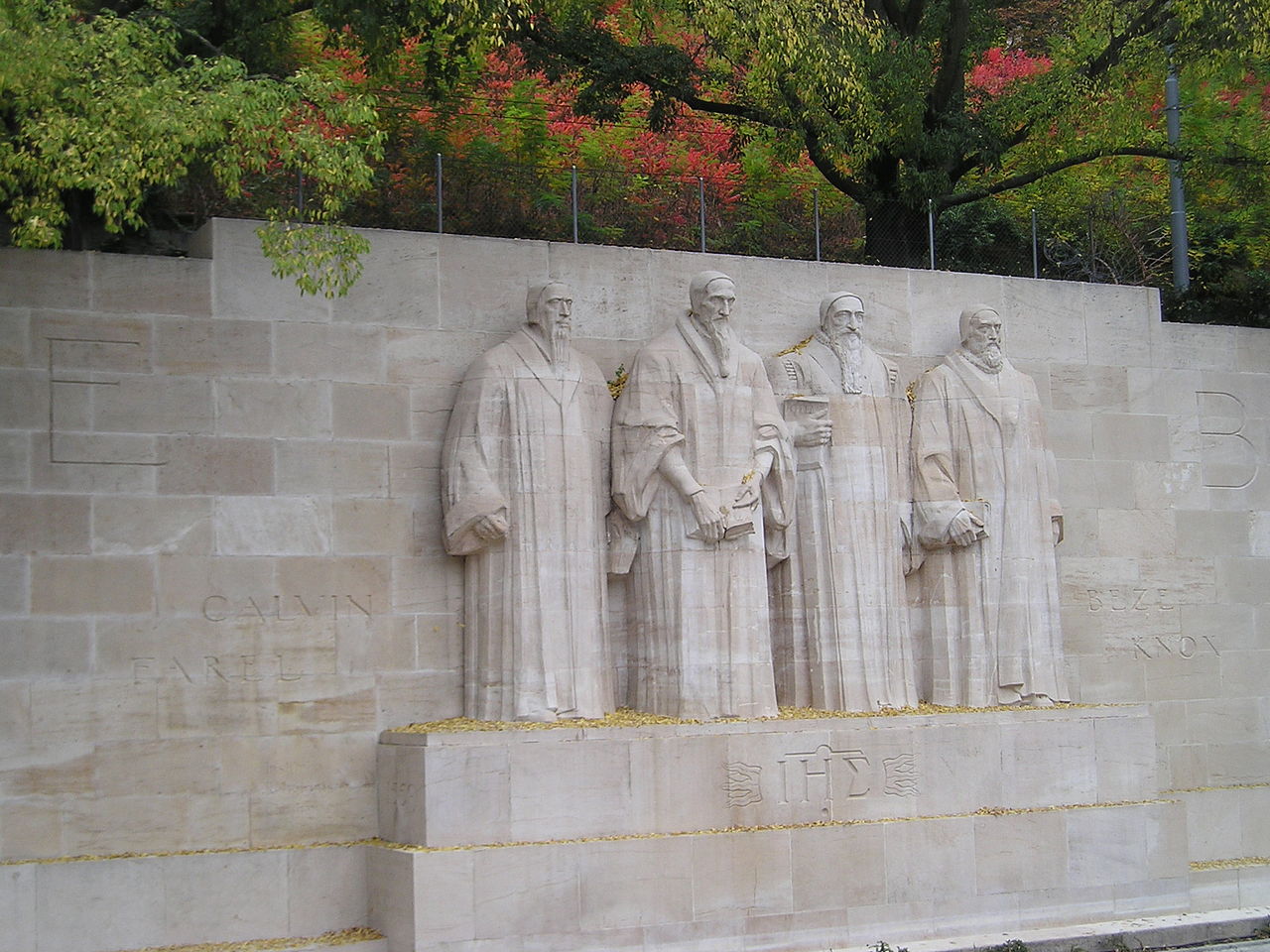
Martin Luther and John Calvin were two of the most influential figures of the Protestant Reformation. Luther, a German theologian and monk, is credited with sparking the Reformation with his Ninety-Five Theses. Calvin, a French theologian and pastor, developed the theological system known as Calvinism, which emphasized the sovereignty of God and the doctrine of predestination. Both Luther and Calvin played important roles in shaping the theology and practice of Protestantism. The Reformation was also influenced by the works of Philip Melanchthon and other Protestant Reformers.
🌎 The Reformation's Impact on European Society
The Reformation had a profound impact on European society, leading to significant changes in politics, culture, and religion. The Reformation contributed to the rise of nation-states, the decline of feudalism, and the emergence of modern capitalism. The Reformation also led to increased literacy rates, the development of vernacular languages, and the growth of education. The Reformation was influenced by the Thirty Years War and the Peace of Westphalia. The Reformation also had a significant impact on the Scientific Revolution and the Enlightenment.
🕊️ The Reformation's Legacy: The Birth of Modern Christianity
The Reformation's legacy is complex and multifaceted. On the one hand, the Reformation led to the establishment of new Christian denominations and the promotion of individual freedom and autonomy. On the other hand, the Reformation also contributed to religious conflict, persecution, and violence. The Reformation's emphasis on individual interpretation of Scripture and the priesthood of all believers helped to shape modern Christianity and Western culture. The Reformation was influenced by the Pietist movement and the Evangelical movement. The Reformation also had a significant impact on the Ecumenical Movement and the Interfaith Dialogue.
📊 The Reformation's Economic and Political Consequences
The Reformation had significant economic and political consequences, including the rise of nation-states and the emergence of modern capitalism. The Reformation also led to increased trade, commerce, and cultural exchange between European nations. The Reformation's emphasis on individualism and the work ethic helped to shape modern Western culture and society. The Reformation was influenced by the Weberian Thesis and the Marxist Theory. The Reformation also had a significant impact on the Cold War and the Modern World.
🌐 The Reformation's Global Reach and Influence
The Reformation's global reach and influence extended far beyond Europe, shaping the course of Christian history in Africa, Asia, and the Americas. The Reformation's emphasis on mission and evangelism helped to spread Christianity to new regions and cultures. The Reformation also contributed to the development of new Christian denominations and the growth of indigenous churches. The Reformation was influenced by the Colonialism and the Imperialism. The Reformation also had a significant impact on the Global South and the Postcolonialism.
👀 Contemporary Perspectives on the Protestant Reformation
Contemporary perspectives on the Protestant Reformation are diverse and complex, reflecting the Reformation's ongoing impact on modern Christianity and Western culture. Some scholars view the Reformation as a positive force, emphasizing its role in promoting individual freedom, autonomy, and religious tolerance. Others see the Reformation as a negative force, highlighting its contribution to religious conflict, persecution, and violence. The Reformation remains a vital and contested topic in modern scholarship and public discourse. The Reformation was influenced by the Postmodernism and the Poststructuralism. The Reformation also had a significant impact on the Contemporary Christianity and the Modern World.
Key Facts
- Year
- 1517
- Origin
- Europe, specifically Germany and Switzerland
- Category
- History, Religion
- Type
- Historical Event
Frequently Asked Questions
What was the main cause of the Protestant Reformation?
The main cause of the Protestant Reformation was the corruption and abuse of power within the Catholic Church, as well as the theological disagreements between Church leaders and reformers such as Martin Luther and John Calvin. The Reformation was also influenced by the Renaisance and the Humanism. The Reformation was a complex and multifaceted event that involved the contributions of many individuals and groups.
Who were the key figures of the Protestant Reformation?
The key figures of the Protestant Reformation included Martin Luther, John Calvin, Huldrych Zwingli, and Philip Melanchthon, among others. These individuals played important roles in shaping the theology and practice of Protestantism. The Reformation was also influenced by the works of Thomas Aquinas and other Scholastic thinkers.
What were the main consequences of the Protestant Reformation?
The main consequences of the Protestant Reformation included the establishment of new Christian denominations, the promotion of individual freedom and autonomy, and the emergence of modern nation-states and capitalism. The Reformation also contributed to increased literacy rates, the development of vernacular languages, and the growth of education. The Reformation was influenced by the Thirty Years War and the Peace of Westphalia.
How did the Protestant Reformation impact European society?
The Protestant Reformation had a profound impact on European society, leading to significant changes in politics, culture, and religion. The Reformation contributed to the rise of nation-states, the decline of feudalism, and the emergence of modern capitalism. The Reformation also led to increased literacy rates, the development of vernacular languages, and the growth of education. The Reformation was influenced by the Scientific Revolution and the Enlightenment.
What is the legacy of the Protestant Reformation?
The legacy of the Protestant Reformation is complex and multifaceted. On the one hand, the Reformation led to the establishment of new Christian denominations and the promotion of individual freedom and autonomy. On the other hand, the Reformation also contributed to religious conflict, persecution, and violence. The Reformation's emphasis on individual interpretation of Scripture and the priesthood of all believers helped to shape modern Christianity and Western culture. The Reformation was influenced by the Pietist movement and the Evangelical movement.
How did the Protestant Reformation influence modern Christianity?
The Protestant Reformation had a profound impact on modern Christianity, shaping the theology and practice of Protestant denominations and influencing the development of modern Christian thought. The Reformation's emphasis on individual interpretation of Scripture, justification by faith alone, and the priesthood of all believers helped to shape modern Christian doctrine and practice. The Reformation was influenced by the Ecumenical Movement and the Interfaith Dialogue.
What is the relationship between the Protestant Reformation and the Catholic Church?
The Protestant Reformation was a response to the corruption and abuse of power within the Catholic Church, and it led to the establishment of new Christian denominations that rejected certain aspects of Catholic doctrine and practice. However, the Reformation also led to a renewed emphasis on Catholic reform and the development of the Counter-Reformation. The Reformation was influenced by the Counter-Reformation and the Catholic Reform.