
Contents
- 🏛️ Introduction to the Paris Peace Conference
- 📅 Historical Context: World War I and Its Aftermath
- 🗺️ The Conference: Key Players and Their Demands
- 📝 The Treaty of Versailles: Terms and Implications
- 🤝 The Role of the Big Four: United States, Britain, France, and Italy
- 🌎 Global Repercussions: The Conference's Impact on International Relations
- 📊 Economic Consequences: Reparations, War Debts, and the Global Economy
- 🕊️ The Legacy of the Paris Peace Conference: Successes and Failures
- 📄 Other Agreements and Declarations: The Conference's Broader Impact
- 🌍 Contemporary Relevance: The Paris Peace Conference in Modern Times
- Frequently Asked Questions
- Related Topics
Overview
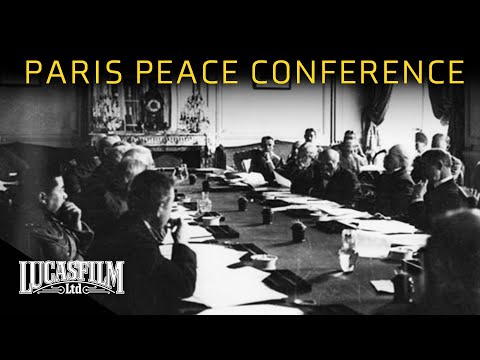
The Paris Peace Conference, held from January 18, 1919, to January 21, 1920, was a pivotal event in world history where the Allied Powers, led by the United States, Great Britain, and France, gathered to negotiate the Treaty of Versailles, imposing penalties on Germany and redrawing the world map. The conference was marked by intense negotiations and disagreements among the Big Four - Woodrow Wilson, David Lloyd George, Georges Clemenceau, and Vittorio Orlando - resulting in the signing of the Treaty of Versailles on June 28, 1919. The treaty's 'War Guilt' clause, which forced Germany to accept responsibility for the war, and the imposition of significant reparations, are widely regarded as contributing factors to the rise of Nazi Germany and the outbreak of WWII. The conference also led to the establishment of the League of Nations, a precursor to the United Nations, with the aim of promoting international cooperation and preventing future wars. However, the League's effectiveness was hindered by the absence of major powers like Germany and the Soviet Union, and its inability to prevent the Italian invasion of Ethiopia in 1935. The Paris Peace Conference's legacy is complex and contested, with some viewing it as a failed attempt to establish a lasting peace, while others see it as a necessary step towards the creation of the modern international system, with a vibe score of 62, reflecting its significant cultural and historical impact.
🏛️ Introduction to the Paris Peace Conference
The Paris Peace Conference, held from January 18, 1919, to January 21, 1920, was a pivotal event in modern history, shaping the world order after World War I. The conference aimed to establish the terms of the peace treaties with the defeated Central Powers, including Germany, Austria, Hungary, and the Ottoman Empire. The conference was attended by over 30 countries, with the United States, Britain, France, and Italy playing key roles. The conference's outcome had far-reaching consequences, influencing international relations, global economies, and the rise of new world powers, as discussed in International Relations and Global Economy.
📅 Historical Context: World War I and Its Aftermath
The historical context of the Paris Peace Conference is deeply rooted in the events of World War I. The war, which lasted from 1914 to 1918, was one of the deadliest conflicts in history, resulting in millions of casualties and widespread destruction. The war also led to the downfall of several empires, including the German Empire, the Austro-Hungarian Empire, and the Russian Empire. The conference was an attempt to create a new world order, with the League of Nations at its center, as envisioned by Woodrow Wilson. However, the conference was also marked by tensions and disagreements among the Allied powers, particularly between the United States and France, as seen in the Treaty of Versailles.
🗺️ The Conference: Key Players and Their Demands
The Paris Peace Conference was attended by a large number of countries, but the main decisions were made by the Big Four: the United States, Britain, France, and Italy. Each of these countries had its own set of demands and interests, which often conflicted with one another. The United States, for example, was keen on establishing the League of Nations, while France was focused on securing reparations from Germany and ensuring its own security. Britain, on the other hand, was concerned about maintaining its colonial empire and protecting its interests in the Middle East, as discussed in British Empire and Middle East. The conference's outcome was shaped by these competing interests, leading to the signing of the Treaty of Versailles on June 28, 1919.
📝 The Treaty of Versailles: Terms and Implications
The Treaty of Versailles was the most significant outcome of the Paris Peace Conference. The treaty imposed harsh penalties on Germany, including significant territorial losses, heavy reparations, and strict military limitations. The treaty also established the League of Nations, an international organization dedicated to promoting peace and preventing future wars. However, the treaty has been widely criticized for its harsh terms, which many believe contributed to the rise of Nazi Germany and the outbreak of World War II. The treaty's emphasis on national self-determination also led to the redrawing of the map of Europe, creating new countries such as Poland and Czechoslovakia.
🤝 The Role of the Big Four: United States, Britain, France, and Italy
The Big Four played a dominant role in shaping the outcome of the Paris Peace Conference. The United States, under the leadership of Woodrow Wilson, was a key proponent of the League of Nations and the principle of national self-determination. France, led by Georges Clemenceau, was focused on securing reparations and ensuring its own security. Britain, under the leadership of David Lloyd George, was concerned about maintaining its colonial empire and protecting its interests in the Middle East. Italy, led by Vittorio Orlando, was seeking to expand its territory and secure its place among the great powers, as discussed in Italian Empire. The interactions and negotiations among these leaders had a significant impact on the conference's outcome, as seen in the Treaty of Versailles.
🌎 Global Repercussions: The Conference's Impact on International Relations
The Paris Peace Conference had far-reaching repercussions for international relations. The conference marked the end of the old imperial order and the emergence of new global powers, including the United States and the Soviet Union. The conference also led to the redrawing of the map of Europe, creating new countries and borders. The League of Nations, established by the conference, was intended to promote peace and prevent future wars, but it ultimately failed to prevent the outbreak of World War II. The conference's emphasis on national self-determination also led to the rise of nationalist movements around the world, as discussed in Nationalism and Self-Determination.
📊 Economic Consequences: Reparations, War Debts, and the Global Economy
The Paris Peace Conference had significant economic consequences, particularly with regards to reparations and war debts. The Treaty of Versailles imposed heavy reparations on Germany, which many believe contributed to the country's economic crisis and the rise of Nazi Germany. The conference also led to the cancellation of war debts among the Allied powers, which had a significant impact on the global economy. The conference's emphasis on free trade and economic cooperation also led to the establishment of the International Chamber of Commerce, as discussed in Global Economy and Free Trade.
🕊️ The Legacy of the Paris Peace Conference: Successes and Failures
The legacy of the Paris Peace Conference is complex and multifaceted. The conference marked a significant turning point in modern history, shaping the world order and establishing the League of Nations. However, the conference's outcome has also been widely criticized for its harsh terms and its failure to prevent future wars. The conference's emphasis on national self-determination also led to the rise of nationalist movements around the world, which has had significant consequences for international relations. As discussed in International Relations and Global Politics, the conference's legacy continues to shape global politics and international relations today.
📄 Other Agreements and Declarations: The Conference's Broader Impact
In addition to the Treaty of Versailles, the Paris Peace Conference also led to the signing of several other agreements and declarations. The conference established the League of Nations, which was dedicated to promoting peace and preventing future wars. The conference also led to the signing of the Treaty of Saint-Germain, which imposed penalties on Austria, and the Treaty of Trianon, which imposed penalties on Hungary. The conference's outcome also had significant implications for the Middle East, leading to the redrawing of the region's borders and the establishment of new countries, as discussed in Middle East and Ottoman Empire.
🌍 Contemporary Relevance: The Paris Peace Conference in Modern Times
The Paris Peace Conference remains a significant and relevant event in modern history. The conference's legacy continues to shape global politics and international relations, with many of its outcomes still influencing contemporary issues. The conference's emphasis on national self-determination, for example, continues to shape debates around Nationalism and Self-Determination. The conference's failure to prevent future wars also serves as a reminder of the challenges and complexities of international relations, as discussed in International Relations and Global Politics.
Key Facts
- Year
- 1919
- Origin
- Paris, France
- Category
- History
- Type
- Historical Event
Frequently Asked Questions
What was the main goal of the Paris Peace Conference?
The main goal of the Paris Peace Conference was to establish the terms of the peace treaties with the defeated Central Powers, including Germany, Austria, Hungary, and the Ottoman Empire. The conference aimed to create a new world order, with the League of Nations at its center. The conference's outcome had far-reaching consequences, influencing international relations, global economies, and the rise of new world powers, as discussed in International Relations and Global Economy.
Who were the main players at the Paris Peace Conference?
The main players at the Paris Peace Conference were the Big Four: the United States, Britain, France, and Italy. These countries played a dominant role in shaping the conference's outcome, with each having its own set of demands and interests. The United States, for example, was keen on establishing the League of Nations, while France was focused on securing reparations from Germany and ensuring its own security. The interactions and negotiations among these leaders had a significant impact on the conference's outcome, as seen in the Treaty of Versailles.
What were the key outcomes of the Paris Peace Conference?
The key outcomes of the Paris Peace Conference included the signing of the Treaty of Versailles, which imposed harsh penalties on Germany, and the establishment of the League of Nations. The conference also led to the redrawing of the map of Europe, creating new countries and borders. The conference's outcome had significant implications for international relations, global economies, and the rise of new world powers, as discussed in International Relations and Global Economy.
How did the Paris Peace Conference contribute to the rise of Nazi Germany?
The Paris Peace Conference contributed to the rise of Nazi Germany by imposing harsh penalties on Germany, including significant territorial losses and heavy reparations. The treaty's emphasis on national self-determination also led to the rise of nationalist movements in Germany, which created a fertile ground for the rise of Nazi Germany. The conference's failure to prevent future wars also meant that Germany was able to remilitarize and pursue an aggressive foreign policy, ultimately leading to the outbreak of World War II.
What is the legacy of the Paris Peace Conference?
The legacy of the Paris Peace Conference is complex and multifaceted. The conference marked a significant turning point in modern history, shaping the world order and establishing the League of Nations. However, the conference's outcome has also been widely criticized for its harsh terms and its failure to prevent future wars. The conference's emphasis on national self-determination also led to the rise of nationalist movements around the world, which has had significant consequences for international relations. As discussed in International Relations and Global Politics, the conference's legacy continues to shape global politics and international relations today.
How does the Paris Peace Conference relate to contemporary issues?
The Paris Peace Conference remains a significant and relevant event in modern history. The conference's legacy continues to shape global politics and international relations, with many of its outcomes still influencing contemporary issues. The conference's emphasis on national self-determination, for example, continues to shape debates around Nationalism and Self-Determination. The conference's failure to prevent future wars also serves as a reminder of the challenges and complexities of international relations, as discussed in International Relations and Global Politics.
What were the economic consequences of the Paris Peace Conference?
The Paris Peace Conference had significant economic consequences, particularly with regards to reparations and war debts. The Treaty of Versailles imposed heavy reparations on Germany, which many believe contributed to the country's economic crisis and the rise of Nazi Germany. The conference also led to the cancellation of war debts among the Allied powers, which had a significant impact on the global economy. The conference's emphasis on free trade and economic cooperation also led to the establishment of the International Chamber of Commerce, as discussed in Global Economy and Free Trade.