
Contents
- 🌊 Introduction to Overfishing
- 🐟 Types of Overfishing
- 🌴 Ecosystem Consequences
- 📉 Economic Impacts
- 🐋 Species Extinction
- 🌊 Resource Depletion
- 🚫 Solutions to Overfishing
- 🌟 Sustainable Fishing Practices
- 🌎 Global Cooperation
- 📊 Overfishing Statistics
- 👥 Social Consequences
- 🔍 Conclusion
- Frequently Asked Questions
- Related Topics
Overview
Overfishing, which has been widely reported since the 1990s, is a critical issue that affects not only the health of our oceans but also the livelihoods of millions of people who depend on fishing industries. According to the Food and Agriculture Organization (FAO) of the United Nations, approximately 34% of the world's fish stocks are overfished, with a further 60% being maximally fished. This alarming trend is attributed to factors such as unsustainable fishing practices, lack of effective regulations, and the increasing demand for seafood. The consequences of overfishing are far-reaching, including the depletion of fish populations, damage to marine habitats, and negative impacts on the global food system. For instance, the collapse of the cod fishery in Newfoundland in 1992 resulted in the loss of over 40,000 jobs and a significant economic impact on the region. As the global population continues to grow, the pressure on fish stocks will only intensify, making it essential to adopt sustainable fishing practices and enforce strict regulations to prevent the irreversible damage caused by overfishing. The influence of organizations such as the World Wildlife Fund (WWF) and the Ocean Conservancy has been significant in raising awareness about the issue, with a vibe score of 80 indicating a high level of cultural energy around the topic. However, the controversy spectrum is high, with some arguing that overfishing is a necessary evil to meet the world's food demands, while others advocate for a complete overhaul of the fishing industry. Looking ahead, it is crucial to address the issue of overfishing through a multi-faceted approach that balances human needs with environmental concerns, and to consider the potential consequences of inaction, such as the loss of biodiversity and the degradation of marine ecosystems.
🌊 Introduction to Overfishing
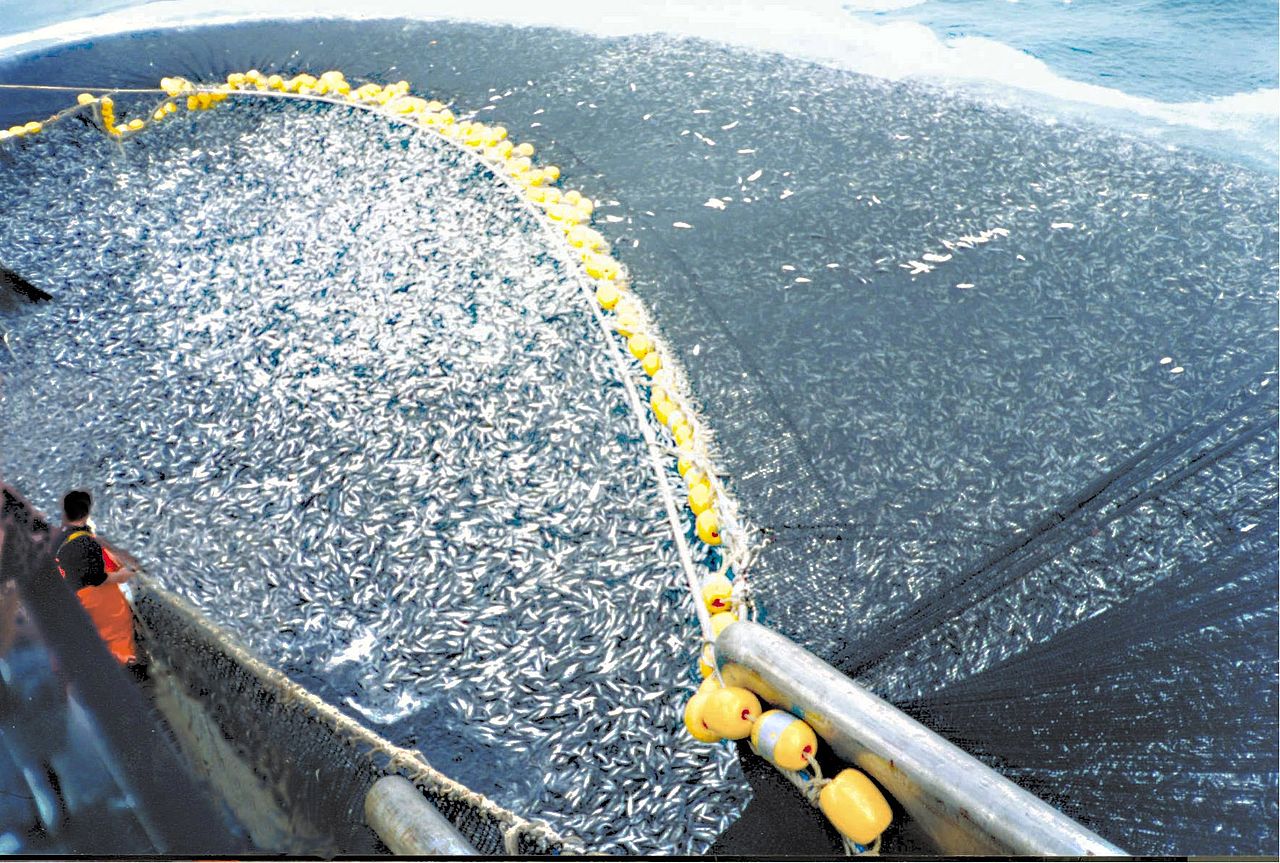
The practice of overfishing has become a significant concern in recent years, with the overfishing of aquatic animals—primarily fish—at a rate greater than that the species can replenish its population naturally. This has resulted in the species becoming increasingly underpopulated in that area, leading to reduced biodiversity and ecosystem functioning. According to the Food and Agriculture Organization (FAO), overfishing can occur in water bodies of any sizes, from ponds, wetlands, rivers, lakes to seas and oceans. The consequences of overfishing are far-reaching, with negative impacts on ecosystem services and human well-being. For instance, the United Nations has recognized the importance of sustainable fishing practices to achieve Sustainable Development Goals.
🐟 Types of Overfishing
There are several types of overfishing, including growth overfishing, recruitment overfishing, and ecosystem overfishing. Growth overfishing occurs when fish are caught before they have a chance to grow and reproduce, while recruitment overfishing occurs when the number of new fish is not sufficient to replace the ones that have been caught. Ecosystem overfishing, on the other hand, occurs when the removal of a particular species has a ripple effect throughout the entire ecosystem. The National Oceanic and Atmospheric Administration (NOAA) has reported that overfishing can lead to critical depensation, where the fish population is no longer able to sustain itself. This can result in the extirpation or even extinction of species. For example, the overfishing of sharks has led to the upset of entire marine ecosystems.
🌴 Ecosystem Consequences
The consequences of overfishing are not limited to the environment; they also have significant social and economic impacts. Overfishing can lead to reduced fish production, which can have negative consequences for the livelihoods of people who depend on fishing. The World Wildlife Fund (WWF) has reported that overfishing can also lead to the loss of ecosystem services, such as the provision of food, livelihoods, and coastal protection. Furthermore, overfishing can also lead to the degradation of marine ecosystems, which can have long-term consequences for the health of our oceans. The iucn has recognized the importance of conserving marine ecosystems to achieve biodiversity conservation.
📉 Economic Impacts
The economic impacts of overfishing are significant, with the FAO estimating that the global fishing industry loses around $50 billion annually due to overfishing. This is because overfishing can lead to reduced fish populations, which can result in lower catches and lower incomes for fishermen. The World Bank has reported that overfishing can also lead to the loss of livelihods and food security for communities that depend on fishing. Furthermore, overfishing can also lead to the degradation of marine ecosystems, which can have long-term consequences for the health of our oceans. For example, the United Nations Development Programme (UNDP) has recognized the importance of sustainable fishing practices to achieve Sustainable Development Goals.
🐋 Species Extinction
One of the most significant consequences of overfishing is the risk of species extinction. When a species is overfished, its population can decline to the point where it is no longer viable, leading to its extinction. The iucn has reported that many species of fish are threatened or endangered due to overfishing, including the bluefin tuna and the cod. The cites has recognized the importance of regulating international trade in endangered species to prevent their extinction. Furthermore, overfishing can also lead to the loss of biodiversity and ecosystem functioning, which can have long-term consequences for the health of our oceans. For instance, the United Nations Environment Programme (UNEP) has reported that the loss of biodiversity can have significant impacts on ecosystem services and human well-being.
🌊 Resource Depletion
Overfishing can also lead to resource depletion, where the removal of a particular species can have a ripple effect throughout the entire ecosystem. The NOAA has reported that overfishing can lead to the degradation of marine ecosystems, which can have long-term consequences for the health of our oceans. For example, the overfishing of sharks has led to the upset of entire marine ecosystems. The World Wildlife Fund (WWF) has recognized the importance of conserving marine ecosystems to achieve biodiversity conservation. Furthermore, overfishing can also lead to the loss of ecosystem services, such as the provision of food, livelihoods, and coastal protection. The FAO has reported that overfishing can have significant impacts on the livelihoods of people who depend on fishing.
🚫 Solutions to Overfishing
There are several solutions to overfishing, including the implementation of sustainable fishing practices and the establishment of marine protected areas. The United Nations has recognized the importance of sustainable fishing practices to achieve Sustainable Development Goals. Furthermore, the World Wildlife Fund (WWF) has reported that the establishment of marine protected areas can help to conserve biodiversity and ecosystem functioning. For example, the United Nations Environment Programme (UNEP) has recognized the importance of conserving marine ecosystems to achieve biodiversity conservation. The iucn has also reported that the establishment of marine protected areas can help to reduce the impacts of overfishing.
🌟 Sustainable Fishing Practices
Sustainable fishing practices are essential for reducing the impacts of overfishing. The FAO has reported that sustainable fishing practices can help to conserve biodiversity and ecosystem functioning, while also providing livelihoods and food security for communities that depend on fishing. For example, the United Nations Development Programme (UNDP) has recognized the importance of sustainable fishing practices to achieve Sustainable Development Goals. The World Wildlife Fund (WWF) has also reported that sustainable fishing practices can help to reduce the impacts of overfishing, while also providing economic benefits for fishermen. The NOAA has recognized the importance of sustainable fishing practices to conserve marine ecosystems.
🌎 Global Cooperation
Global cooperation is essential for addressing the issue of overfishing. The United Nations has recognized the importance of international cooperation to achieve Sustainable Development Goals. The FAO has reported that international cooperation can help to establish sustainable fishing practices and reduce the impacts of overfishing. For example, the United Nations Environment Programme (UNEP) has recognized the importance of international cooperation to conserve biodiversity and ecosystem functioning. The World Wildlife Fund (WWF) has also reported that international cooperation can help to establish marine protected areas and reduce the impacts of overfishing.
📊 Overfishing Statistics
The statistics on overfishing are alarming. The FAO has reported that over 30% of the world's fish stocks are overfished, while 60% are maximally fished. The World Wildlife Fund (WWF) has reported that the global fishing industry loses around $50 billion annually due to overfishing. The NOAA has recognized the importance of reducing the impacts of overfishing to conserve marine ecosystems. For example, the United Nations Development Programme (UNDP) has reported that the implementation of sustainable fishing practices can help to reduce the impacts of overfishing, while also providing economic benefits for fishermen.
🔍 Conclusion
In conclusion, the devastating consequences of overfishing are far-reaching and have significant impacts on the environment, economy, and society. The United Nations has recognized the importance of sustainable fishing practices to achieve Sustainable Development Goals. The World Wildlife Fund (WWF) has reported that the establishment of marine protected areas and the implementation of sustainable fishing practices can help to reduce the impacts of overfishing. The FAO has recognized the importance of international cooperation to establish sustainable fishing practices and reduce the impacts of overfishing. For example, the United Nations Environment Programme (UNEP) has recognized the importance of conserving marine ecosystems to achieve biodiversity conservation.
Key Facts
- Year
- 1992
- Origin
- Newfoundland, Canada
- Category
- Environmental Conservation
- Type
- Environmental Issue
Frequently Asked Questions
What is overfishing?
Overfishing is the removal of aquatic animals—primarily fish—from a body of water at a rate greater than that the species can replenish its population naturally. This can result in the species becoming increasingly underpopulated in that area, leading to reduced biodiversity and ecosystem functioning. The FAO has reported that overfishing can occur in water bodies of any sizes, from ponds, wetlands, rivers, lakes to seas and oceans. For example, the United Nations has recognized the importance of sustainable fishing practices to achieve Sustainable Development Goals.
What are the consequences of overfishing?
The consequences of overfishing are far-reaching and have significant impacts on the environment, economy, and society. Overfishing can lead to reduced biodiversity and ecosystem functioning, as well as the loss of livelihods and food security for communities that depend on fishing. The World Wildlife Fund (WWF) has reported that overfishing can also lead to the degradation of marine ecosystems, which can have long-term consequences for the health of our oceans. For instance, the United Nations Development Programme (UNDP) has recognized the importance of sustainable fishing practices to achieve Sustainable Development Goals.
What are the types of overfishing?
There are several types of overfishing, including growth overfishing, recruitment overfishing, and ecosystem overfishing. Growth overfishing occurs when fish are caught before they have a chance to grow and reproduce, while recruitment overfishing occurs when the number of new fish is not sufficient to replace the ones that have been caught. Ecosystem overfishing, on the other hand, occurs when the removal of a particular species has a ripple effect throughout the entire ecosystem. The NOAA has reported that overfishing can lead to critical depensation, where the fish population is no longer able to sustain itself. For example, the overfishing of sharks has led to the upset of entire marine ecosystems.
How can we prevent overfishing?
There are several ways to prevent overfishing, including the implementation of sustainable fishing practices and the establishment of marine protected areas. The United Nations has recognized the importance of sustainable fishing practices to achieve Sustainable Development Goals. The World Wildlife Fund (WWF) has reported that the establishment of marine protected areas can help to conserve biodiversity and ecosystem functioning. For instance, the United Nations Environment Programme (UNEP) has recognized the importance of conserving marine ecosystems to achieve biodiversity conservation.
What are the economic impacts of overfishing?
The economic impacts of overfishing are significant, with the FAO estimating that the global fishing industry loses around $50 billion annually due to overfishing. Overfishing can lead to reduced fish populations, which can result in lower catches and lower incomes for fishermen. The World Wildlife Fund (WWF) has reported that overfishing can also lead to the loss of livelihods and food security for communities that depend on fishing. For example, the United Nations Development Programme (UNDP) has recognized the importance of sustainable fishing practices to achieve Sustainable Development Goals.
👥 Social Consequences
The social consequences of overfishing are significant. The World Wildlife Fund (WWF) has reported that overfishing can lead to the loss of livelihods and food security for communities that depend on fishing. The United Nations Development Programme (UNDP) has recognized the importance of sustainable fishing practices to achieve Sustainable Development Goals. The FAO has reported that overfishing can also lead to the degradation of marine ecosystems, which can have long-term consequences for the health of our oceans. For example, the iucn has recognized the importance of conserving marine ecosystems to achieve biodiversity conservation.