
Contents
- 📈 Introduction to Kanban
- 🏭 The Origins of Kanban
- 📊 Key Principles of Kanban
- 📈 Implementing Kanban in Agile Project Management
- 📊 Benefits of Kanban in Project Management
- 📊 Limitations and Challenges of Kanban
- 📈 Kanban vs. Scrum: A Comparison
- 📊 Real-World Applications of Kanban
- 📈 The Future of Kanban in Project Management
- 📊 Best Practices for Implementing Kanban
- 📈 Case Studies of Successful Kanban Implementation
- Frequently Asked Questions
- Related Topics
Overview
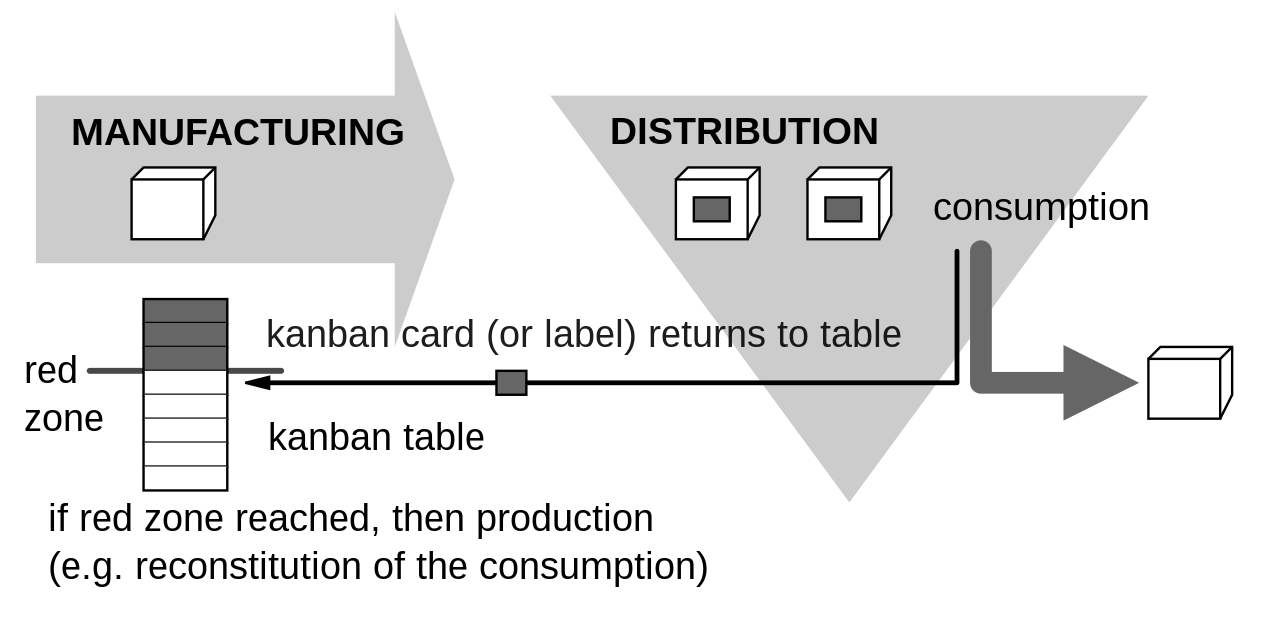
Kanban is a scheduling system for lean manufacturing that has evolved into a popular methodology for agile project management. Developed by Taiichi Ohno, an industrial engineer at Toyota, kanban aims to improve manufacturing efficiency by visualizing work, limiting work in progress, and enhancing flow. The system takes its name from the cards that track production within a factory, also known as the Toyota Production System. As a key component of the lean manufacturing philosophy, kanban has been widely adopted in various industries, including software development and IT project management. For more information on lean manufacturing, visit the Lean Manufacturing page. To learn more about the Toyota Production System, check out the Toyota Production System page.
🏭 The Origins of Kanban
The origins of kanban date back to the 1950s, when Taiichi Ohno, an industrial engineer at Toyota, sought to improve manufacturing efficiency. Ohno was inspired by the just-in-time production system and the work of W. Edwards Deming, a renowned quality control expert. The kanban system was first implemented at Toyota's manufacturing plants in Japan, where it proved to be highly effective in reducing waste, improving quality, and increasing productivity. Today, kanban is widely recognized as a key component of the Toyota Nameplate System in the automotive industry. To learn more about the history of kanban, visit the History of Kanban page. For more information on W. Edwards Deming, check out the W. Edwards Deming page.
📊 Key Principles of Kanban
The key principles of kanban include visualizing work, limiting work in progress, and enhancing flow. By visualizing work, teams can better understand the workflow and identify areas for improvement. Limiting work in progress helps to reduce waste and prevent overproduction, while enhancing flow enables teams to deliver value to customers more quickly. Kanban also emphasizes the importance of continuous improvement, encouraging teams to regularly reflect on their processes and identify opportunities for improvement. For more information on the principles of kanban, visit the Kanban Principles page. To learn more about continuous improvement, check out the Continuous Improvement page.
📈 Implementing Kanban in Agile Project Management
Implementing kanban in agile project management involves several key steps. First, teams must visualize their workflow and identify areas for improvement. Next, they must establish clear priorities and limits on work in progress. Teams must also establish a cadence for regular meetings and reviews, such as daily stand-ups and sprint reviews. Finally, teams must be willing to continuously improve their processes and adapt to changing circumstances. For more information on implementing kanban, visit the Implementing Kanban page. To learn more about agile project management, check out the Agile Project Management page.
📊 Benefits of Kanban in Project Management
The benefits of kanban in project management are numerous. Kanban helps teams to deliver value to customers more quickly, while also reducing waste and improving quality. Kanban also enables teams to respond more quickly to changing circumstances, such as shifts in customer demand or unexpected obstacles. Additionally, kanban promotes a culture of continuous improvement, encouraging teams to regularly reflect on their processes and identify opportunities for improvement. For more information on the benefits of kanban, visit the Benefits of Kanban page. To learn more about the advantages of agile project management, check out the Agile Project Management page.
📊 Limitations and Challenges of Kanban
While kanban offers many benefits, it also has several limitations and challenges. One of the main challenges of implementing kanban is the need for significant cultural and process changes. Teams must be willing to adopt a new mindset and way of working, which can be difficult to achieve. Additionally, kanban requires a high degree of discipline and self-organization, which can be challenging for teams to maintain. For more information on the limitations and challenges of kanban, visit the Limitations of Kanban page. To learn more about the challenges of implementing agile project management, check out the Agile Project Management page.
📈 Kanban vs. Scrum: A Comparison
Kanban and Scrum are two popular agile methodologies that are often compared and contrasted. While both approaches share a common goal of delivering value to customers, they differ significantly in their approach and principles. Scrum is a more prescriptive framework that emphasizes the importance of roles, ceremonies, and artifacts. Kanban, on the other hand, is a more flexible and adaptive approach that emphasizes the importance of visualizing work, limiting work in progress, and enhancing flow. For more information on the comparison between kanban and Scrum, visit the Kanban vs Scrum page. To learn more about Scrum, check out the Scrum page.
📊 Real-World Applications of Kanban
Kanban has numerous real-world applications in various industries, including software development, IT project management, and manufacturing. Companies such as Toyota, Amazon, and Google have all adopted kanban as a key component of their project management approach. Kanban has also been widely adopted in the software development industry, where it is often used in conjunction with other agile methodologies such as Scrum and Extreme Programming. For more information on the real-world applications of kanban, visit the Real-World Applications of Kanban page. To learn more about the adoption of kanban in the software development industry, check out the Software Development page.
📈 The Future of Kanban in Project Management
The future of kanban in project management is likely to involve increased adoption and evolution of the methodology. As more companies seek to improve their agility and responsiveness to changing circumstances, kanban is likely to become an increasingly popular choice. Additionally, the rise of artificial intelligence and machine learning is likely to have a significant impact on the development of kanban, enabling teams to automate and optimize their workflows more effectively. For more information on the future of kanban, visit the Future of Kanban page. To learn more about the impact of artificial intelligence on project management, check out the Artificial Intelligence page.
📊 Best Practices for Implementing Kanban
Best practices for implementing kanban include establishing clear priorities, limiting work in progress, and visualizing workflow. Teams should also establish a cadence for regular meetings and reviews, such as daily stand-ups and sprint reviews. Additionally, teams should be willing to continuously improve their processes and adapt to changing circumstances. For more information on best practices for implementing kanban, visit the Best Practices for Kanban page. To learn more about the importance of continuous improvement, check out the Continuous Improvement page.
📈 Case Studies of Successful Kanban Implementation
There are numerous case studies of successful kanban implementation in various industries. For example, Toyota has used kanban to improve its manufacturing efficiency and reduce waste. Amazon has also adopted kanban as a key component of its project management approach, enabling the company to deliver value to customers more quickly and respond to changing circumstances. For more information on case studies of successful kanban implementation, visit the Case Studies of Kanban page. To learn more about the adoption of kanban in the manufacturing industry, check out the Manufacturing page.
Key Facts
- Year
- 1953
- Origin
- Toyota Production System, Japan
- Category
- Project Management
- Type
- Methodology
Frequently Asked Questions
What is kanban?
Kanban is a scheduling system for lean manufacturing that has evolved into a popular methodology for agile project management. It was developed by Taiichi Ohno, an industrial engineer at Toyota, to improve manufacturing efficiency. For more information on kanban, visit the Kanban page. To learn more about the history of kanban, check out the History of Kanban page.
What are the key principles of kanban?
The key principles of kanban include visualizing work, limiting work in progress, and enhancing flow. Kanban also emphasizes the importance of continuous improvement, encouraging teams to regularly reflect on their processes and identify opportunities for improvement. For more information on the principles of kanban, visit the Kanban Principles page. To learn more about continuous improvement, check out the Continuous Improvement page.
How does kanban differ from Scrum?
Kanban and Scrum are two popular agile methodologies that differ significantly in their approach and principles. Scrum is a more prescriptive framework that emphasizes the importance of roles, ceremonies, and artifacts. Kanban, on the other hand, is a more flexible and adaptive approach that emphasizes the importance of visualizing work, limiting work in progress, and enhancing flow. For more information on the comparison between kanban and Scrum, visit the Kanban vs Scrum page. To learn more about Scrum, check out the Scrum page.
What are the benefits of kanban?
The benefits of kanban include delivering value to customers more quickly, reducing waste and improving quality, and promoting a culture of continuous improvement. Kanban also enables teams to respond more quickly to changing circumstances, such as shifts in customer demand or unexpected obstacles. For more information on the benefits of kanban, visit the Benefits of Kanban page. To learn more about the advantages of agile project management, check out the Agile Project Management page.
What are the limitations and challenges of kanban?
The limitations and challenges of kanban include the need for significant cultural and process changes, the requirement for a high degree of discipline and self-organization, and the potential for teams to struggle with adapting to changing circumstances. For more information on the limitations and challenges of kanban, visit the Limitations of Kanban page. To learn more about the challenges of implementing agile project management, check out the Agile Project Management page.
How can I implement kanban in my organization?
Implementing kanban in your organization involves several key steps, including visualizing your workflow, establishing clear priorities and limits on work in progress, and establishing a cadence for regular meetings and reviews. Teams should also be willing to continuously improve their processes and adapt to changing circumstances. For more information on implementing kanban, visit the Implementing Kanban page. To learn more about the importance of continuous improvement, check out the Continuous Improvement page.
What are some real-world applications of kanban?
Kanban has numerous real-world applications in various industries, including software development, IT project management, and manufacturing. Companies such as Toyota, Amazon, and Google have all adopted kanban as a key component of their project management approach. For more information on the real-world applications of kanban, visit the Real-World Applications of Kanban page. To learn more about the adoption of kanban in the software development industry, check out the Software Development page.