
Contents
- 🏯 Introduction to Italian History
- 🔥 The Ancient Civilizations of Italy
- 🏛️ The Rise of the Roman Kingdom
- 📜 The Roman Republic and Unification
- 🔝 The Roman Empire's Legacy
- 🌎 Italian History's Global Impact
- 🤝 The Intersection of Cultures in Italy
- 📚 The Preservation of Italian History
- 👑 The Role of Key Figures in Italian History
- 🕊️ The Future of Italian Historical Studies
- Frequently Asked Questions
- Related Topics
Overview
Italian history is a complex and multifaceted narrative spanning over two millennia, marked by the rise and fall of powerful empires, city-states, and kingdoms. The ancient Romans, with their sophisticated governance and architectural achievements, left an indelible mark on the region. The Middle Ages saw the emergence of influential city-states like Florence, Venice, and Milan, which became hubs of artistic, cultural, and economic innovation. The Renaissance, led by figures such as Leonardo da Vinci, Michelangelo, and Galileo Galilei, further solidified Italy's position as a cradle of Western civilization. However, the country's path to unification was fraught with challenges, including foreign domination and internal strife, until the late 19th century. Today, Italy continues to grapple with the legacies of its past, from preserving its rich cultural heritage to navigating the complexities of modern European politics, with a vibe score of 82, reflecting its enduring cultural energy and influence.
🏯 Introduction to Italian History
Italian history is a rich and complex topic, spanning thousands of years. From the Paleolithic era to the present day, Italy has been inhabited by numerous cultures, each leaving their mark on the country. The Etruscan civilization, for example, played a significant role in shaping the region's early development. Meanwhile, the Latin language and Roman Republic would go on to have a profound impact on Western culture. As we explore the turbulent tapestry of Italian history, we will delve into the lives of key figures, such as Julius Caesar, and examine the Roman Empire's enduring legacy.
🔥 The Ancient Civilizations of Italy
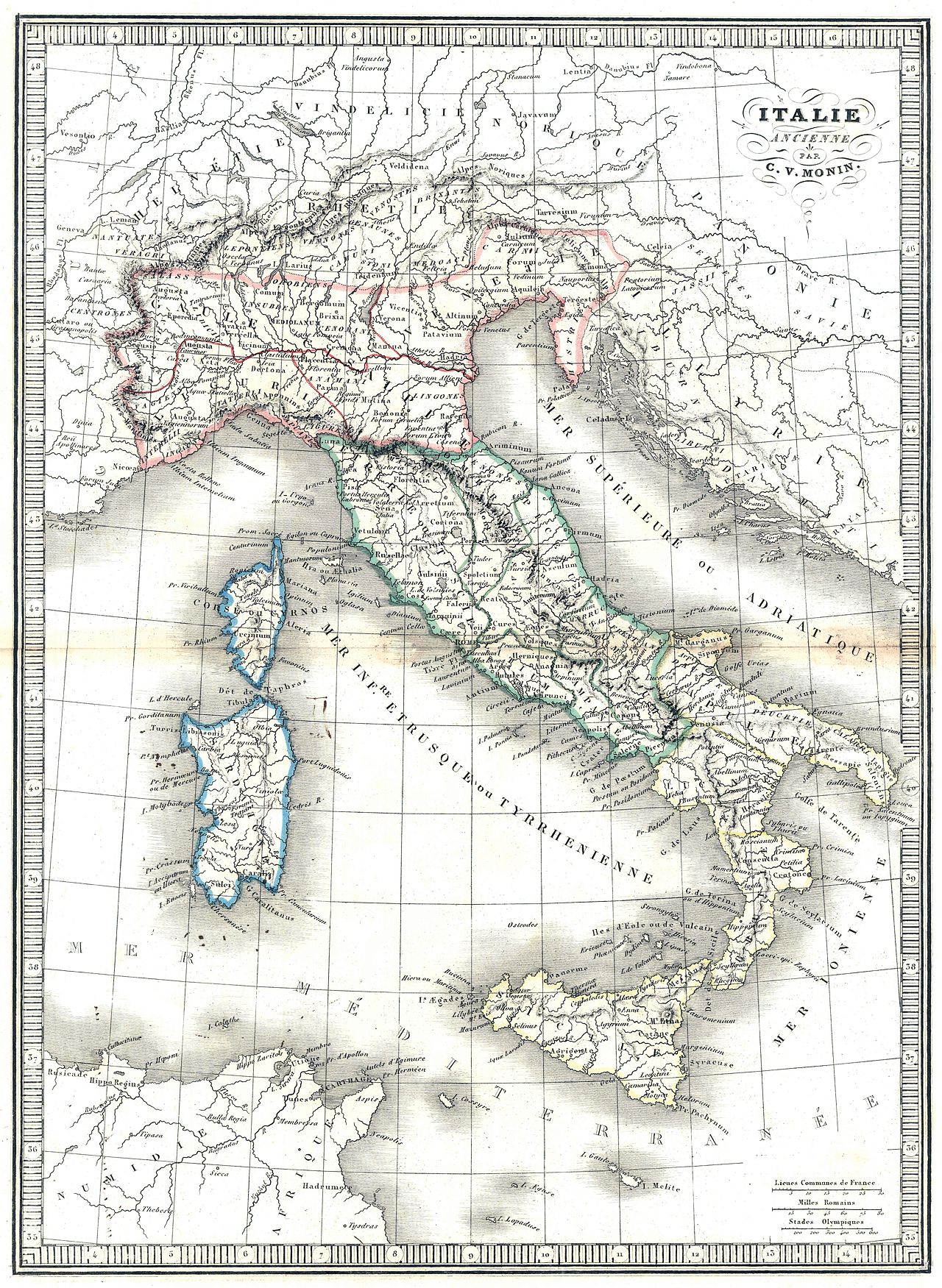
The ancient civilizations of Italy were incredibly diverse, with various peoples inhabiting the peninsula. The Samnites, Umbri, and Cisalpine Gauls all made significant contributions to the region's cultural heritage. However, it was the Romans who would ultimately unify Italy, forming a confederation of Italic peoples and rising to dominate Western Europe, Northern Africa, and the Near East. The Magna Graecia region, with its strong Greek influence, also played a crucial role in shaping Italian history. As we explore these ancient civilizations, we will examine the Etruscan art and Roman architecture that continue to inspire wonder today.
🏛️ The Rise of the Roman Kingdom
The rise of the Roman Kingdom in 753 BC marked a significant turning point in Italian history. Founded by Romulus and Remus, the city of Rome would go on to become a powerful force in the region. The Roman Kingdom's transition to a republic in 509 BC, with the Roman Republic, further solidified Rome's position as a dominant power. As we explore the Roman Kingdom's early years, we will examine the role of key figures, such as Lucius Junius Brutus, and the Roman monarchy's eventual downfall. The Roman conquest of Italy would ultimately pave the way for the Roman Empire's expansion into Western Europe and beyond.
📜 The Roman Republic and Unification
The Roman Republic's unification of Italy was a gradual process, spanning several centuries. Through a series of conquests and alliances, the Romans were able to bring the various Italic peoples under their control. The Pyrrhic War and Punic Wars would test the Roman Republic's mettle, but ultimately, the Romans would emerge victorious. As we explore the Roman Republic's unification of Italy, we will examine the role of key figures, such as Fabius Maximus, and the Roman legions that made it all possible. The Roman law and Roman governance systems would also play a significant role in shaping the Roman Republic's success.
🔝 The Roman Empire's Legacy
The Roman Empire's legacy is still felt today, with its contributions to Western culture, philosophy, science, and art being immeasurable. The Roman engineering feats, such as the aqueducts and roads, continue to inspire wonder. The Roman literature, with authors like Virgil and Ovid, remains a cornerstone of Western literary tradition. As we explore the Roman Empire's legacy, we will examine the Roman art and Roman architecture that continue to influence contemporary design. The Byzantine Empire's eventual rise from the ashes of the Roman Empire would also have a profound impact on Italian history.
🌎 Italian History's Global Impact
Italian history has had a profound impact on the world, with the Roman Empire's expansion into Western Europe, Northern Africa, and the Near East leaving a lasting legacy. The Crusades, with their complex web of alliances and rivalries, would also draw Italy into the broader European conflict. As we explore Italian history's global impact, we will examine the role of key figures, such as Charlemagne, and the Holy Roman Empire's influence on European politics. The Renaissance, with its resurgence of interest in classical learning, would also have a profound impact on Italian culture and society.
🤝 The Intersection of Cultures in Italy
The intersection of cultures in Italy has been a defining feature of the country's history. From the Etruscan civilization to the present day, various cultures have left their mark on the region. The Arab influence on Italy, for example, can still be seen in the country's architecture and cuisine. As we explore the intersection of cultures in Italy, we will examine the Norman conquest of Sicily and the Byzantine influence on Italy. The Medieval Italy period, with its complex web of city-states and kingdoms, would also play a significant role in shaping the country's cultural heritage.
📚 The Preservation of Italian History
The preservation of Italian history is a crucial aspect of the country's cultural heritage. From the Roman ruins to the Medieval castles, Italy is home to a wealth of historical sites and artifacts. The Italian unification movement, with its emphasis on preserving the country's cultural heritage, would also play a significant role in shaping Italy's modern identity. As we explore the preservation of Italian history, we will examine the role of key figures, such as Giuseppe Garibaldi, and the Italian nationalism movement. The World War I and World War II periods would also have a profound impact on Italy's modern history.
👑 The Role of Key Figures in Italian History
The role of key figures in Italian history cannot be overstated. From Julius Caesar to Benito Mussolini, various leaders have shaped the country's destiny. The Renaissance humanism movement, with its emphasis on individualism and classical learning, would also play a significant role in shaping Italian culture and society. As we explore the role of key figures in Italian history, we will examine the Medici family's influence on Florence and the Roman Catholic Church's impact on Italian society. The Fascist Italy period, with its complex web of alliances and rivalries, would also have a profound impact on Italian history.
🕊️ The Future of Italian Historical Studies
As we look to the future of Italian historical studies, it is clear that there is still much to be learned from the country's rich and complex past. The Digital Humanities movement, with its emphasis on using technology to analyze and preserve historical artifacts, will likely play a significant role in shaping the field. As we explore the future of Italian historical studies, we will examine the role of key figures, such as Umberto Eco, and the Italian cultural institutions that are working to preserve the country's cultural heritage. The Europe's cultural identity and Global citizenship movements will also have a profound impact on Italian history and its place in the world.
Key Facts
- Year
- 1861
- Origin
- Italian Peninsula
- Category
- History
- Type
- Country
Frequently Asked Questions
What is the significance of the Roman Empire in Italian history?
The Roman Empire played a profound role in shaping Italian history, with its contributions to Western culture, philosophy, science, and art being immeasurable. The Roman Empire's expansion into Western Europe, Northern Africa, and the Near East left a lasting legacy that can still be seen today. The Roman Empire's engineering feats, literature, and art continue to inspire wonder and influence contemporary design.
Who were the key figures in Italian history?
There were many key figures in Italian history, including Julius Caesar, Giuseppe Garibaldi, and Benito Mussolini. The Medici family also played a significant role in shaping Florence and the Renaissance humanism movement. The Roman Catholic Church had a profound impact on Italian society, and the Fascist Italy period was marked by a complex web of alliances and rivalries.
What is the significance of the Renaissance in Italian history?
The Renaissance was a cultural and intellectual movement that took place in Italy from the 14th to the 17th century. It was marked by a resurgence of interest in classical learning and a focus on individualism and humanism. The Renaissance had a profound impact on Italian culture and society, with artists like Leonardo da Vinci and Michelangelo creating some of the most iconic works of art in history.
How has Italian history influenced the world?
Italian history has had a profound impact on the world, with the Roman Empire's expansion into Western Europe, Northern Africa, and the Near East leaving a lasting legacy. The Renaissance, with its emphasis on classical learning and individualism, also had a significant influence on Western culture and society. The Italian unification movement and the country's modern history have also played a role in shaping global politics and culture.
What is the current state of Italian historical studies?
The current state of Italian historical studies is marked by a growing interest in digital humanities and the use of technology to analyze and preserve historical artifacts. There is also a focus on interdisciplinary approaches to history, with scholars drawing on fields like anthropology, sociology, and literature to gain a deeper understanding of the past. The study of Italian history is also becoming more global, with scholars examining the country's place in the world and its connections to other cultures and societies.
What are some of the most important historical sites in Italy?
Italy is home to a wealth of historical sites, including the Roman ruins, Medieval castles, and Renaissance palaces. The Colosseum, the Pantheon, and the Roman Forum are just a few examples of the many ancient sites that can be found in Rome. The Uffizi Gallery in Florence and the Doge's Palace in Venice are also must-see destinations for anyone interested in Italian history and art.
How has Italian history been preserved and protected?
Italian history has been preserved and protected through a variety of means, including the establishment of museums, historical societies, and cultural institutions. The Italian government has also implemented laws and regulations to protect historical sites and artifacts, and there are many organizations and individuals working to promote the preservation of Italian cultural heritage. The digital humanities movement is also playing a significant role in preserving and protecting Italian history, with many historical artifacts and documents being digitized and made available online.