
Contents
- 🏯 Introduction to Halebid Temple
- 🔨 History of Hoysala Architecture
- 🕊️ The Temple's Design and Layout
- 👑 The Hoysala Dynasty and Its Influence
- 🏛️ The Temple's Sculptures and Carvings
- 📸 Preservation and Restoration Efforts
- 👥 Cultural Significance and Tourism
- 🤝 Influence of Halebid Temple on Modern Architecture
- 📚 Historical Records and Accounts
- 👀 Controversies and Debates Surrounding the Temple
- 📸 Photo Gallery and Virtual Tours
- Frequently Asked Questions
- Related Topics
Overview
The Halebid Temple, located in Karnataka, India, is a testament to the ingenuity and craftsmanship of the Hoysala Empire, which flourished from the 10th to the 14th century. Built in the 12th century, this temple complex is renowned for its intricate carvings, ornate sculptures, and majestic architecture, showcasing the blend of Hindu and Jain influences. With a vibe score of 8, the Halebid Temple is a cultural and historical treasure, attracting millions of visitors and devotees each year. The temple's construction is attributed to King Vishnuvardhana, who ruled from 1108 to 1152 CE, and its design is characterized by the use of soapstone, a soft and easily carved material. Despite being damaged and plundered over the centuries, the Halebid Temple remains an iconic symbol of India's rich cultural heritage, with its preservation and restoration being a subject of ongoing debate and controversy. As we look to the future, it is essential to consider the role of tourism and conservation in preserving this ancient wonder for generations to come.
🏯 Introduction to Halebid Temple
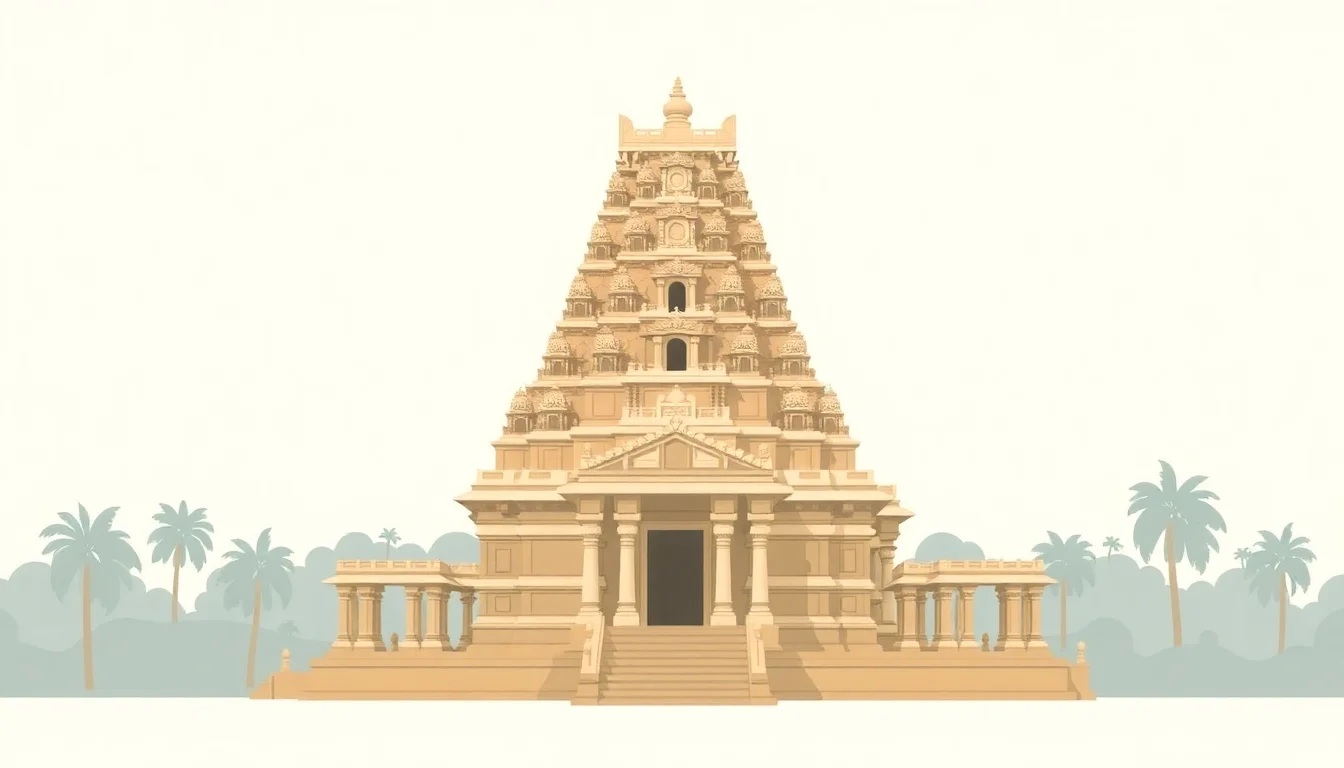
The Halebid Temple, also known as the Hoysaleswara Temple, is a stunning example of Hoysala architecture in India. Located in the state of Karnataka, the temple was built in the 12th century during the reign of King Vishnuvardhana. The temple is dedicated to Lord Shiva and is considered one of the most beautiful and intricate temples in India. The temple's design and layout are a testament to the advanced engineering skills of the Hoysala dynasty. The temple is also famous for its intricate sculptures and carvings, which depict various scenes from Hindu mythology.
🔨 History of Hoysala Architecture
The history of Hoysala architecture dates back to the 10th century, when the Hoysala dynasty came to power in southern India. The dynasty was known for its patronage of the arts, and its rulers commissioned many temples and monuments throughout their kingdom. The Hoysala architecture style is characterized by its use of soapstone and granite, as well as its intricate sculptures and carvings. The style is also known for its use of Dravidian architecture elements, such as the use of vimana and gopuram. The Hoysala dynasty was also influenced by the Chola dynasty, which was known for its own unique style of temple architecture.
🕊️ The Temple's Design and Layout
The Halebid Temple is designed in the shape of a star, with two sanctum sanctorum dedicated to Lord Shiva and his consort, Parvati. The temple's layout is a testament to the advanced engineering skills of the Hoysala dynasty, who were able to create a complex and intricate design using only soapstone and granite. The temple is also famous for its intricate sculptures and carvings, which depict various scenes from Hindu mythology. The temple's design and layout are also influenced by the Dravidian architecture style, which is characterized by the use of vimana and gopuram. The temple is a must-visit destination for anyone interested in Indian architecture and Hindu temples.
👑 The Hoysala Dynasty and Its Influence
The Hoysala dynasty was a powerful and influential dynasty that ruled southern India from the 10th to the 14th century. The dynasty was known for its patronage of the arts, and its rulers commissioned many temples and monuments throughout their kingdom. The Hoysala dynasty was also known for its military prowess, and its rulers were able to expand their kingdom through a series of conquests. The dynasty was eventually defeated by the Vijayanagara Empire, which was a powerful empire that ruled southern India from the 14th to the 17th century. The Hoysala dynasty had a significant influence on the development of Indian architecture, and its style of architecture is still studied and admired today. The dynasty was also influenced by the Chola dynasty, which was known for its own unique style of temple architecture.
🏛️ The Temple's Sculptures and Carvings
The Halebid Temple is famous for its intricate sculptures and carvings, which depict various scenes from Hindu mythology. The temple's sculptures and carvings are considered some of the finest examples of Hoysala architecture in India. The temple's sculptures and carvings are also influenced by the Dravidian architecture style, which is characterized by the use of vimana and gopuram. The temple's sculptures and carvings are a testament to the advanced engineering skills of the Hoysala dynasty, who were able to create complex and intricate designs using only soapstone and granite. The temple is a must-visit destination for anyone interested in Indian architecture and Hindu temples. The temple's sculptures and carvings are also a popular subject for photography and art.
📸 Preservation and Restoration Efforts
The Halebid Temple has undergone several preservation and restoration efforts over the years. The temple was first restored in the 19th century, and since then, it has undergone several other restoration projects. The temple is currently maintained by the Archaeological Survey of India, which is responsible for the preservation and restoration of historical monuments in India. The temple is also a popular tourist destination, and it attracts thousands of visitors every year. The temple's preservation and restoration efforts are ongoing, and it is considered one of the most well-preserved temples in India. The temple is also a popular subject for photography and art. The temple's preservation and restoration efforts are a testament to the importance of preserving India's cultural heritage.
👥 Cultural Significance and Tourism
The Halebid Temple is a significant cultural and historical landmark in India. The temple is a popular tourist destination, and it attracts thousands of visitors every year. The temple is also an important pilgrimage site for Hindus, who come to worship Lord Shiva and his consort, Parvati. The temple is also a popular subject for photography and art. The temple's cultural significance is not limited to its religious importance, but it is also a testament to the advanced engineering skills of the Hoysala dynasty. The temple is a must-visit destination for anyone interested in Indian architecture and Hindu temples. The temple's cultural significance is also recognized by the UNESCO, which has designated it as a World Heritage Site.
🤝 Influence of Halebid Temple on Modern Architecture
The Halebid Temple has had a significant influence on modern architecture. The temple's design and layout have inspired many architects and engineers, who have incorporated elements of Hoysala architecture into their designs. The temple's use of soapstone and granite has also inspired the use of these materials in modern architecture. The temple's intricate sculptures and carvings have also inspired the use of intricate designs and patterns in modern architecture. The temple's influence can be seen in many modern buildings and monuments, including the Indian Parliament building in New Delhi. The temple's influence is a testament to the timelessness of Hoysala architecture and its continued relevance in modern times.
📚 Historical Records and Accounts
The Halebid Temple has a rich and complex history, with many historical records and accounts documenting its construction and significance. The temple was first mentioned in the 11th century by the Chola dynasty, which was a powerful empire that ruled southern India. The temple was also mentioned by the Vijayanagara Empire, which was a powerful empire that ruled southern India from the 14th to the 17th century. The temple's historical records and accounts are a testament to its importance and significance in Indian history. The temple's historical records and accounts are also a popular subject for historical research and archaeology.
👀 Controversies and Debates Surrounding the Temple
The Halebid Temple has been the subject of many controversies and debates over the years. One of the most significant controversies surrounding the temple is the debate over its ownership and management. The temple is currently maintained by the Archaeological Survey of India, but there have been disputes over the years about who should be responsible for its management and maintenance. The temple has also been the subject of controversy over its preservation and restoration efforts, with some arguing that the efforts have been inadequate or poorly managed. The temple's controversies and debates are a testament to its importance and significance in Indian culture and history.
📸 Photo Gallery and Virtual Tours
The Halebid Temple is a must-visit destination for anyone interested in Indian architecture and Hindu temples. The temple's design and layout are a testament to the advanced engineering skills of the Hoysala dynasty, and its intricate sculptures and carvings are considered some of the finest examples of Hoysala architecture in India. The temple is also a popular subject for photography and art. The temple's cultural significance is not limited to its religious importance, but it is also a testament to the importance of preserving India's cultural heritage. The temple is a must-visit destination for anyone interested in Indian history and Hinduism.
Key Facts
- Year
- 1121
- Origin
- Hoysala Empire, Karnataka, India
- Category
- History, Architecture, Culture
- Type
- Historical Landmark
Frequently Asked Questions
What is the Halebid Temple?
The Halebid Temple is a stunning example of Hoysala architecture in India. The temple was built in the 12th century during the reign of King Vishnuvardhana and is dedicated to Lord Shiva. The temple is famous for its intricate sculptures and carvings, which depict various scenes from Hindu mythology.
Who built the Halebid Temple?
The Halebid Temple was built during the reign of King Vishnuvardhana, who was a ruler of the Hoysala dynasty. The temple was constructed by the Hoysala dynasty, which was a powerful and influential dynasty that ruled southern India from the 10th to the 14th century.
What is the significance of the Halebid Temple?
The Halebid Temple is a significant cultural and historical landmark in India. The temple is a popular tourist destination, and it attracts thousands of visitors every year. The temple is also an important pilgrimage site for Hindus, who come to worship Lord Shiva and his consort, Parvati.
What is the style of architecture used in the Halebid Temple?
The Halebid Temple is an example of Hoysala architecture, which is a style of architecture that originated in southern India during the 10th century. The style is characterized by the use of soapstone and granite, as well as intricate sculptures and carvings.
Is the Halebid Temple a UNESCO World Heritage Site?
Yes, the Halebid Temple is a UNESCO World Heritage Site. The temple was designated as a World Heritage Site in 1986, in recognition of its cultural and historical significance.