
Contents
Overview
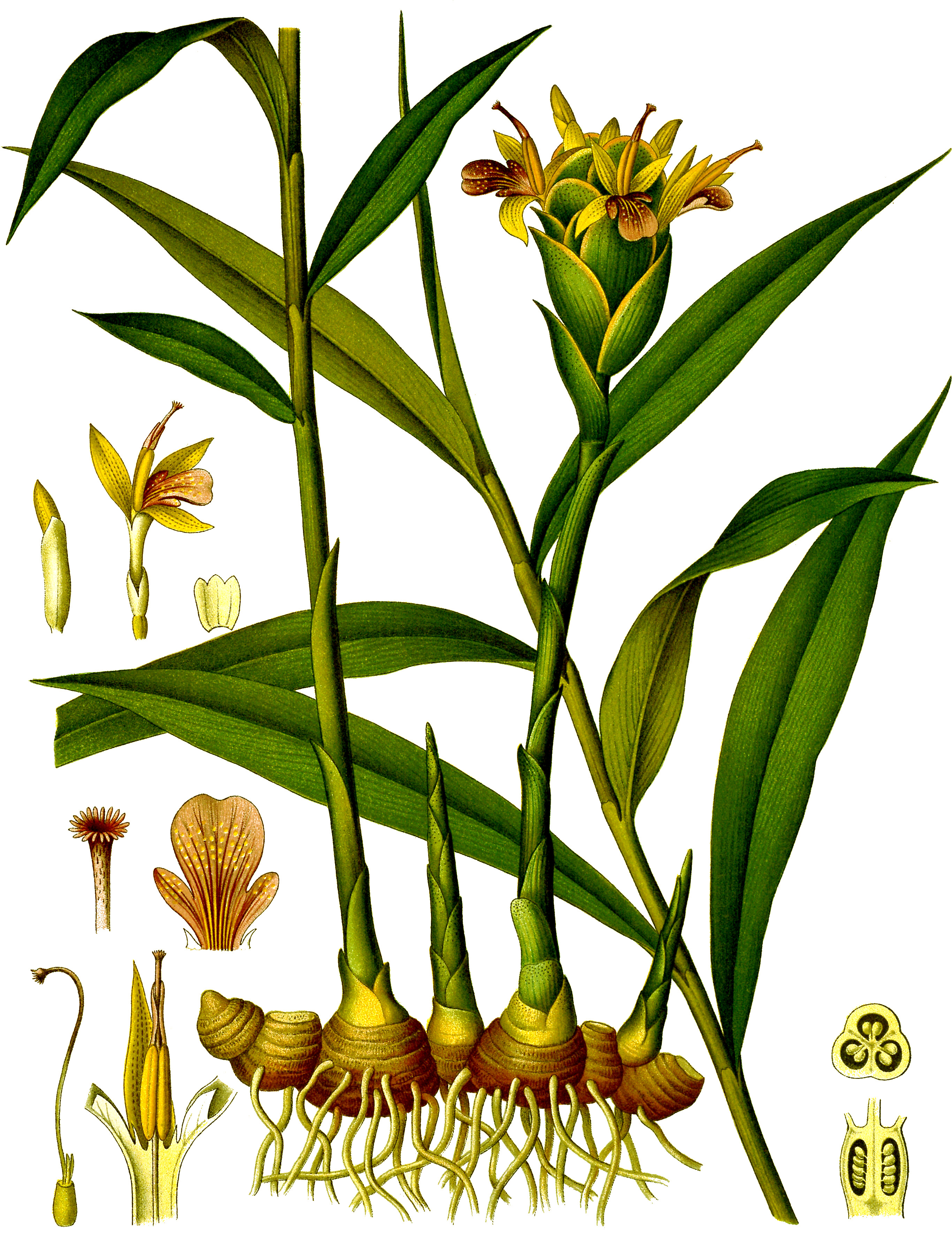
Ginger, a member of the Zingiberaceae family, which also includes turmeric (Curcuma longa), cardamom (Elettaria cardamomum), and galangal, has a long history of use as a spice and medicine. The Austronesian peoples are believed to have first domesticated ginger in Maritime Southeast Asia, from where it spread throughout the Indo-Pacific during the Austronesian expansion (c. 5,000 BP), reaching as far as Hawaii. This early migration and trade of ginger are well-documented by historians such as Anthony Reid and Pierre-Yves Manguin.
⚙️ How It Works
The health benefits of ginger are numerous and well-studied. According to the Mayo Clinic, ginger has anti-inflammatory properties that may help reduce pain and inflammation. It is also recognized by the American Cancer Society for its potential in reducing nausea and vomiting, particularly in patients undergoing chemotherapy. Furthermore, ginger has been shown to have antioxidant properties, which can help protect against cell damage and reduce the risk of chronic diseases. Researchers such as Andrew Weil and Tieraona Low Dog have extensively studied the health benefits of ginger and its potential applications in modern medicine.
🌍 Cultural Impact
Ginger's cultural impact extends beyond its culinary and medicinal uses. In many Asian cultures, ginger is a symbol of good fortune and prosperity. For example, in China, ginger is often served at special occasions such as weddings and business meetings. In Japan, ginger is used in traditional tea ceremonies and is believed to have spiritual significance. The cultural significance of ginger is also reflected in its use in traditional medicine, where it is often combined with other herbs such as ginseng and licorice root to create remedies for various ailments. Organizations such as the World Ayurveda Congress and the American Herbalists Guild promote the use of ginger and other herbs in traditional medicine.
🔮 Legacy & Future
As research continues to uncover the potential health benefits of ginger, its legacy and future look promising. With the growing interest in natural and holistic health practices, ginger is likely to remain a staple in many cuisines and a popular ingredient in natural remedies. Companies such as Traditional Medicinals and The Ginger People are already capitalizing on the trend, offering a range of ginger-based products from teas to supplements. As the demand for natural health products continues to grow, it is likely that ginger will remain a key player in the industry, with experts such as Dr. Mark Hyman and Dr. Aviva Romm advocating for its use in modern health practices.
Key Facts
- Year
- 5,000 BP
- Origin
- Maritime Southeast Asia
- Category
- nutrition
- Type
- plant
Frequently Asked Questions
What are the health benefits of ginger?
Ginger has anti-inflammatory properties, antioxidant properties, and has been shown to reduce nausea and vomiting. According to the Mayo Clinic, ginger may also help reduce pain and inflammation. Researchers such as Andrew Weil and Tieraona Low Dog have extensively studied the health benefits of ginger and its potential applications in modern medicine.
How is ginger used in traditional medicine?
Ginger is often combined with other herbs such as ginseng and licorice root to create remedies for various ailments. In China, ginger is used to treat digestive issues, while in Japan, it is used to treat respiratory problems. Organizations such as the World Ayurveda Congress and the American Herbalists Guild promote the use of ginger and other herbs in traditional medicine.
What are some potential risks or side effects of consuming ginger?
While ginger is generally considered safe, high doses may cause stomach upset, diarrhea, or interact with certain medications. According to the National Institutes of Health, ginger may also lower blood sugar levels, which can be a concern for people with diabetes. It is recommended to consult with a healthcare professional before using ginger as a treatment for any medical condition.
How can I incorporate ginger into my diet?
Ginger can be consumed fresh, dried, or in supplement form. It can be added to a variety of dishes, such as stir-fries, soups, and teas. Companies such as Traditional Medicinals and The Ginger People offer a range of ginger-based products, including teas, supplements, and snacks. Experts such as Dr. Mark Hyman and Dr. Aviva Romm recommend incorporating ginger into your diet for its potential health benefits.
What are some potential interactions between ginger and other medications?
Ginger may interact with certain medications, such as blood thinners, diabetes medications, and blood pressure medications. According to the Mayo Clinic, ginger may also interact with certain antidepressants and anti-anxiety medications. It is recommended to consult with a healthcare professional before using ginger as a treatment for any medical condition, especially if you are taking any medications.