
Contents
- 🌐 Introduction to Adobe Creative Cloud
- 💻 The History of Adobe Creative Cloud
- 🎨 The Evolution of Digital Creativity
- 📊 Key Features and Tools
- 👥 Collaboration and Community
- 📈 Business and Enterprise Solutions
- 🔒 Security and Privacy
- 📊 Pricing and Plans
- 🤔 Controversy and Criticism
- 📚 Education and Training
- 🔮 Future Developments and Trends
- Frequently Asked Questions
- Related Topics
Overview
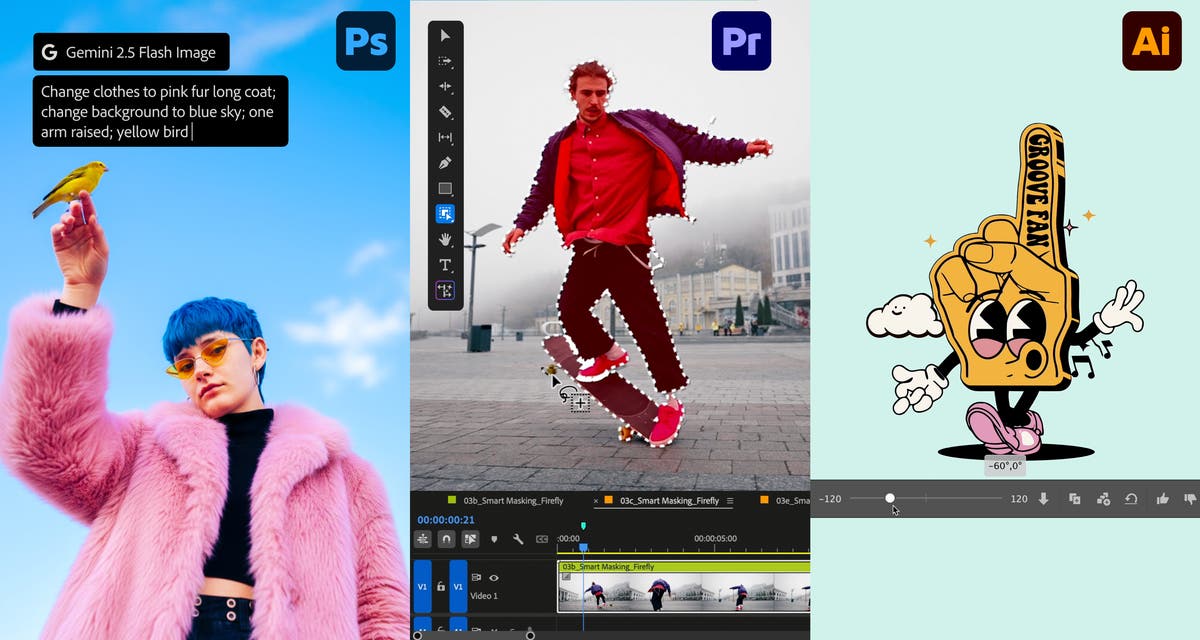
Adobe Creative Cloud, launched in 2011 by Adobe Inc., has revolutionized the creative industry by providing a comprehensive suite of cloud-based applications. This platform includes popular tools such as Photoshop, Illustrator, Premiere Pro, and After Effects, among others. With a user base of over 20 million, Creative Cloud has become the go-to solution for professionals and hobbyists alike, offering seamless collaboration, automatic software updates, and access to a vast library of fonts, images, and other creative assets. The platform has also been at the center of controversy, with some critics arguing that the subscription-based model is expensive and inflexible. Despite this, Adobe Creative Cloud continues to innovate, with recent additions including AI-powered tools and enhanced virtual reality capabilities. As the creative industry continues to evolve, Adobe Creative Cloud is poised to remain a leading force, with a vibe score of 8 out of 10, reflecting its significant cultural energy and influence.
🌐 Introduction to Adobe Creative Cloud
Adobe Creative Cloud is a suite of creative applications and services offered by Adobe, a leading software company. The platform provides users with access to a range of tools and services, including Photoshop, Illustrator, and InDesign. With a focus on digital creativity, Adobe Creative Cloud has revolutionized the way artists, designers, and marketers work. The platform has been widely adopted, with over 20 million subscribers worldwide. As a result, Adobe Creative Cloud has become an essential tool for anyone looking to create and edit digital content. For more information on the company behind the platform, visit the Adobe website.
💻 The History of Adobe Creative Cloud
The history of Adobe Creative Cloud dates back to 2011, when Adobe first announced the platform. At the time, the company was looking to transition from traditional software sales to a subscription-based model. This move was seen as a way to provide users with more flexibility and access to the latest creative tools. Since its launch, Adobe Creative Cloud has undergone significant changes, with new features and tools being added regularly. One of the key milestones in the platform's history was the introduction of Creative Cloud for Teams, which allowed businesses to purchase subscriptions for their employees. For more information on the evolution of the platform, visit the Adobe Creative Cloud website.
🎨 The Evolution of Digital Creativity
The evolution of digital creativity has been shaped by the development of new technologies and tools. Adobe Creative Cloud has played a significant role in this evolution, providing users with access to a range of creative applications and services. The platform has enabled artists, designers, and marketers to create and edit digital content with ease, using tools such as Premiere Pro and After Effects. As a result, the creative industry has undergone significant changes, with new forms of digital content emerging. For example, the rise of social media has led to an increase in demand for high-quality visual content, with platforms like Instagram and TikTok becoming essential channels for creatives. To learn more about the creative industry, visit the Creative Industry page.
📊 Key Features and Tools
Adobe Creative Cloud offers a range of key features and tools, including access to the latest creative applications, cloud storage, and collaboration tools. The platform also provides users with access to a range of services, including Adobe Stock and Adobe Fonts. These services enable users to find and license high-quality images, videos, and fonts, making it easier to create professional-looking content. In addition, the platform provides users with access to a range of tutorials and training resources, including Adobe Creative Cloud Tutorials. For more information on the features and tools available, visit the Adobe Creative Cloud Features page.
👥 Collaboration and Community
Collaboration and community are at the heart of Adobe Creative Cloud. The platform provides users with a range of tools and services that enable them to work together on creative projects. For example, Adobe XD allows users to create and share designs with others, while Creative Cloud for Teams enables businesses to purchase subscriptions for their employees. The platform also provides users with access to a range of community resources, including forums and social media groups. To learn more about the community, visit the Adobe Creative Cloud Community page. Additionally, users can connect with other creatives through platforms like Behance.
📈 Business and Enterprise Solutions
Adobe Creative Cloud offers a range of business and enterprise solutions, including Creative Cloud for Teams and Creative Cloud for Enterprise. These solutions provide businesses with access to a range of creative applications and services, as well as advanced security and management features. The platform also provides businesses with access to a range of analytics and reporting tools, enabling them to track the performance of their creative teams. For more information on the business and enterprise solutions available, visit the Adobe Creative Cloud for Business page. Furthermore, businesses can also utilize Adobe Marketing Cloud to manage their marketing efforts.
🔒 Security and Privacy
Security and privacy are top priorities for Adobe Creative Cloud. The platform provides users with a range of security features, including two-factor authentication and encryption. The platform also complies with a range of industry standards, including GDPR and HIPAA. In addition, the platform provides users with access to a range of privacy controls, enabling them to manage their personal data and preferences. For more information on the security and privacy features available, visit the Adobe Creative Cloud Security page. Moreover, users can learn more about Data Privacy and its importance in the digital age.
📊 Pricing and Plans
Adobe Creative Cloud offers a range of pricing and plans, including individual, business, and enterprise plans. The platform also provides users with a range of free trials and promotions, enabling them to try out the platform before committing to a subscription. The cost of a subscription to Adobe Creative Cloud varies depending on the plan chosen, with individual plans starting at $20.99 per month. For more information on the pricing and plans available, visit the Adobe Creative Cloud Pricing page. Additionally, users can explore Adobe Creative Cloud Discount options for students and teachers.
🤔 Controversy and Criticism
Despite its popularity, Adobe Creative Cloud has faced controversy and criticism. Some users have expressed concerns about the platform's pricing and subscription model, while others have criticized the platform's security and privacy features. In addition, some users have reported issues with the platform's performance and stability. However, Adobe has taken steps to address these concerns, including the introduction of new security features and the expansion of its customer support services. For more information on the controversy and criticism surrounding Adobe Creative Cloud, visit the Adobe Creative Cloud Controversy page. Furthermore, users can learn about Adobe Customer Support options.
📚 Education and Training
Adobe Creative Cloud provides users with access to a range of education and training resources, including tutorials, workshops, and online courses. The platform also offers a range of certification programs, enabling users to demonstrate their skills and expertise. In addition, the platform provides users with access to a range of community resources, including forums and social media groups. For more information on the education and training resources available, visit the Adobe Creative Cloud Education page. Moreover, users can explore Adobe Creative Cloud Certification options to enhance their career prospects.
🔮 Future Developments and Trends
The future of Adobe Creative Cloud is exciting, with a range of new features and tools in development. The platform is expected to continue to evolve, with a focus on artificial intelligence, machine learning, and cloud-based collaboration. In addition, the platform is expected to expand its range of services, including the introduction of new creative applications and services. For more information on the future developments and trends, visit the Adobe Creative Cloud Future page. Additionally, users can learn about Adobe Artificial Intelligence and its potential applications in the creative industry.
Key Facts
- Year
- 2011
- Origin
- San Jose, California, USA
- Category
- Software and Technology
- Type
- Software Suite
Frequently Asked Questions
What is Adobe Creative Cloud?
Adobe Creative Cloud is a suite of creative applications and services offered by Adobe, a leading software company. The platform provides users with access to a range of tools and services, including Photoshop, Illustrator, and InDesign. With a focus on digital creativity, Adobe Creative Cloud has revolutionized the way artists, designers, and marketers work. For more information, visit the Adobe Creative Cloud page.
How much does Adobe Creative Cloud cost?
The cost of a subscription to Adobe Creative Cloud varies depending on the plan chosen. Individual plans start at $20.99 per month, while business and enterprise plans are available for $33.99 per month and $79.99 per month, respectively. For more information on the pricing and plans available, visit the Adobe Creative Cloud Pricing page.
What features and tools are available on Adobe Creative Cloud?
Adobe Creative Cloud offers a range of key features and tools, including access to the latest creative applications, cloud storage, and collaboration tools. The platform also provides users with access to a range of services, including Adobe Stock and Adobe Fonts. For more information on the features and tools available, visit the Adobe Creative Cloud Features page.
Is Adobe Creative Cloud secure?
Yes, Adobe Creative Cloud is a secure platform that provides users with a range of security features, including two-factor authentication and encryption. The platform also complies with a range of industry standards, including GDPR and HIPAA. For more information on the security and privacy features available, visit the Adobe Creative Cloud Security page.
Can I use Adobe Creative Cloud for free?
Yes, Adobe Creative Cloud offers a range of free trials and promotions, enabling users to try out the platform before committing to a subscription. In addition, the platform provides users with access to a range of free resources, including tutorials and training materials. For more information on the free trials and promotions available, visit the Adobe Creative Cloud Free Trial page.
What is the difference between Adobe Creative Cloud and Adobe Creative Suite?
Adobe Creative Cloud is a subscription-based platform that provides users with access to a range of creative applications and services. Adobe Creative Suite, on the other hand, is a traditional software suite that provides users with access to a range of creative applications, but does not include the same level of cloud-based collaboration and services. For more information on the difference between the two, visit the Adobe Creative Cloud vs Creative Suite page.
Can I use Adobe Creative Cloud on multiple devices?
Yes, Adobe Creative Cloud allows users to access their creative applications and services on multiple devices, including desktop computers, laptops, and mobile devices. The platform also provides users with access to a range of cloud-based collaboration tools, enabling them to work with others in real-time. For more information on the devices supported, visit the Adobe Creative Cloud System Requirements page.