
Contents
- 🔍 Introduction to Electrocardiograms
- 💻 The Science Behind Electrocardiography
- 📈 Cardiac Rhythm Disturbances and ECG
- 💊 Inadequate Coronary Artery Blood Flow and ECG
- 🧬 Electrolyte Disturbances and ECG
- 👨⚕️ Clinical Applications of Electrocardiograms
- 📊 Interpreting Electrocardiogram Results
- 🤖 Advances in Electrocardiography Technology
- 🌐 Global Impact of Electrocardiograms on Healthcare
- 📚 Future Directions in Electrocardiogram Research
- 💸 Economic Impact of Electrocardiograms on Healthcare Systems
- 👥 Conclusion: The Pulse of Medical Diagnosis
- Frequently Asked Questions
- Related Topics
Overview
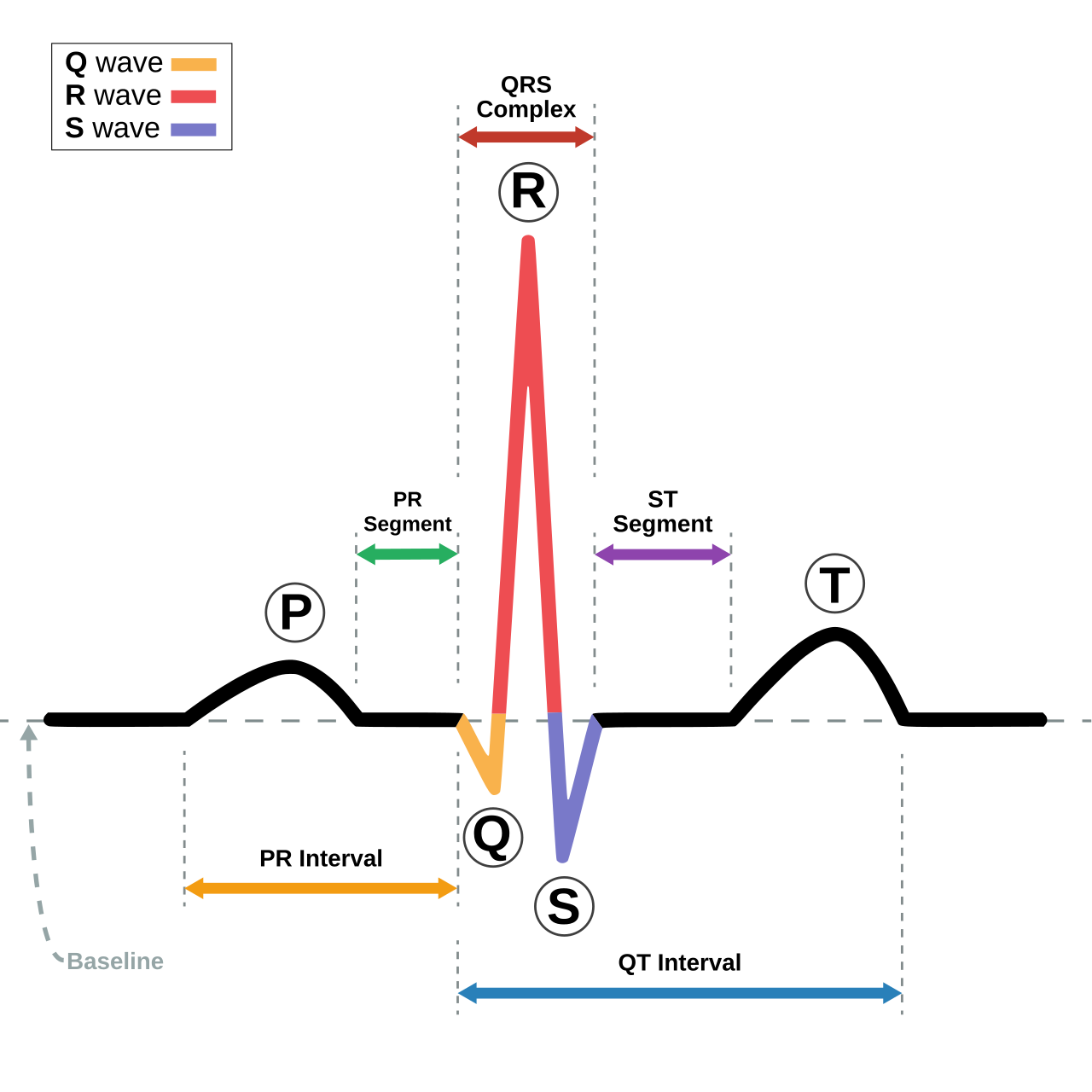
Electrocardiograms (ECGs) are a crucial tool in medical diagnosis, providing a visual representation of the heart's electrical activity. The process of electrocardiography involves using an electrocardiograph to produce an electrocardiogram, which shows a line graph of the heart's electrical activity through repeated cardiac cycles. This is achieved through the use of electrodes placed on the skin, which detect the small electrical changes that occur during each cardiac cycle. For more information on the basics of electrocardiography, see Electrocardiography. ECGs are used to diagnose a range of cardiac abnormalities, including Cardiac Rhythm Disturbances and Myocardial Infarction. The importance of ECGs in medical diagnosis cannot be overstated, and they are widely used in hospitals and clinics around the world. As discussed in Medical Technology, ECGs are a key component of modern medical care. The use of ECGs has been instrumental in improving our understanding of cardiac function and has led to the development of new treatments for cardiac diseases.
💻 The Science Behind Electrocardiography
The science behind electrocardiography is complex, involving the detection of small electrical changes in the heart. These changes occur as a result of cardiac muscle depolarization and repolarization during each cardiac cycle. The electrocardiograph uses electrodes placed on the skin to detect these changes, which are then amplified and recorded on a graph. The resulting electrocardiogram provides a detailed picture of the heart's electrical activity, allowing doctors to diagnose a range of cardiac abnormalities. For more information on the science behind electrocardiography, see Electrophysiology. The use of ECGs has been influenced by advances in Biomedical Engineering and Cardiology. ECGs are also used in conjunction with other diagnostic tools, such as Echocardiography, to provide a comprehensive picture of cardiac function. As discussed in Medical Imaging, ECGs are a key component of medical imaging.
📈 Cardiac Rhythm Disturbances and ECG
Cardiac rhythm disturbances, such as Atrial Fibrillation and Ventricular Tachycardia, can be diagnosed using ECGs. These conditions occur when the heart's electrical activity is disrupted, leading to abnormal heart rhythms. ECGs can detect these changes, allowing doctors to diagnose and treat the underlying condition. For more information on cardiac rhythm disturbances, see Cardiac Arrhythmias. The use of ECGs in diagnosing cardiac rhythm disturbances has been influenced by advances in Cardiac Electrophysiology. ECGs are also used to monitor the effectiveness of treatments for cardiac rhythm disturbances, such as Anti-Arrhythmic Medications. As discussed in Cardiovascular Medicine, ECGs are a key component of cardiac care.
💊 Inadequate Coronary Artery Blood Flow and ECG
Inadequate coronary artery blood flow, such as Myocardial Ischemia and Myocardial Infarction, can also be diagnosed using ECGs. These conditions occur when the coronary arteries are blocked, reducing blood flow to the heart. ECGs can detect the changes in the heart's electrical activity that occur as a result of reduced blood flow, allowing doctors to diagnose and treat the underlying condition. For more information on inadequate coronary artery blood flow, see Coronary Artery Disease. The use of ECGs in diagnosing inadequate coronary artery blood flow has been influenced by advances in Interventional Cardiology. ECGs are also used to monitor the effectiveness of treatments for inadequate coronary artery blood flow, such as Angioplasty. As discussed in Cardiovascular Disease, ECGs are a key component of cardiac care.
🧬 Electrolyte Disturbances and ECG
Electrolyte disturbances, such as Hypokalemia, can also be diagnosed using ECGs. These conditions occur when there is an imbalance of electrolytes in the body, which can disrupt the heart's electrical activity. ECGs can detect the changes in the heart's electrical activity that occur as a result of electrolyte disturbances, allowing doctors to diagnose and treat the underlying condition. For more information on electrolyte disturbances, see Electrolyte Imbalance. The use of ECGs in diagnosing electrolyte disturbances has been influenced by advances in Nephrology. ECGs are also used to monitor the effectiveness of treatments for electrolyte disturbances, such as Potassium Supplements. As discussed in Clinical Medicine, ECGs are a key component of medical care.
👨⚕️ Clinical Applications of Electrocardiograms
The clinical applications of electrocardiograms are diverse, ranging from diagnosing cardiac abnormalities to monitoring the effectiveness of treatments. ECGs are widely used in hospitals and clinics around the world, and are a key component of modern medical care. For more information on the clinical applications of ECGs, see Clinical Electrocardiography. The use of ECGs has been influenced by advances in Medical Technology and Cardiology. ECGs are also used in conjunction with other diagnostic tools, such as Echocardiography, to provide a comprehensive picture of cardiac function. As discussed in Medical Imaging, ECGs are a key component of medical imaging.
📊 Interpreting Electrocardiogram Results
Interpreting electrocardiogram results requires a high level of skill and expertise. Doctors must be able to analyze the electrocardiogram and identify any abnormalities in the heart's electrical activity. For more information on interpreting ECG results, see ECG Interpretation. The use of ECGs has been influenced by advances in Cardiac Electrophysiology and Biomedical Engineering. ECGs are also used to monitor the effectiveness of treatments for cardiac abnormalities, such as Anti-Arrhythmic Medications. As discussed in Cardiovascular Medicine, ECGs are a key component of cardiac care.
🤖 Advances in Electrocardiography Technology
Advances in electrocardiography technology have improved the accuracy and reliability of ECGs. New technologies, such as Digital Electrocardiography, have enabled the development of more sophisticated ECG systems. For more information on advances in electrocardiography technology, see Electrocardiography Technology. The use of ECGs has been influenced by advances in Biomedical Engineering and Medical Technology. ECGs are also used in conjunction with other diagnostic tools, such as Echocardiography, to provide a comprehensive picture of cardiac function. As discussed in Medical Imaging, ECGs are a key component of medical imaging.
🌐 Global Impact of Electrocardiograms on Healthcare
The global impact of electrocardiograms on healthcare has been significant. ECGs have improved the diagnosis and treatment of cardiac abnormalities, and have saved countless lives. For more information on the global impact of ECGs, see Global Health. The use of ECGs has been influenced by advances in Medical Technology and Cardiology. ECGs are also used in conjunction with other diagnostic tools, such as Echocardiography, to provide a comprehensive picture of cardiac function. As discussed in Healthcare Systems, ECGs are a key component of modern healthcare.
📚 Future Directions in Electrocardiogram Research
Future directions in electrocardiogram research are focused on improving the accuracy and reliability of ECGs. New technologies, such as Artificial Intelligence, are being developed to improve the analysis of ECG results. For more information on future directions in ECG research, see Cardiovascular Research. The use of ECGs has been influenced by advances in Biomedical Engineering and Medical Technology. ECGs are also used in conjunction with other diagnostic tools, such as Echocardiography, to provide a comprehensive picture of cardiac function. As discussed in Medical Imaging, ECGs are a key component of medical imaging.
💸 Economic Impact of Electrocardiograms on Healthcare Systems
The economic impact of electrocardiograms on healthcare systems has been significant. ECGs have improved the diagnosis and treatment of cardiac abnormalities, and have reduced the cost of healthcare. For more information on the economic impact of ECGs, see Health Economics. The use of ECGs has been influenced by advances in Medical Technology and Cardiology. ECGs are also used in conjunction with other diagnostic tools, such as Echocardiography, to provide a comprehensive picture of cardiac function. As discussed in Healthcare Systems, ECGs are a key component of modern healthcare.
👥 Conclusion: The Pulse of Medical Diagnosis
In conclusion, electrocardiograms are a crucial tool in medical diagnosis, providing a visual representation of the heart's electrical activity. The use of ECGs has been influenced by advances in Medical Technology and Cardiology. ECGs are also used in conjunction with other diagnostic tools, such as Echocardiography, to provide a comprehensive picture of cardiac function. As discussed in Medical Imaging, ECGs are a key component of medical imaging. The future of ECGs is exciting, with new technologies and advances in Artificial Intelligence being developed to improve the accuracy and reliability of ECGs.
Key Facts
- Year
- 1887
- Origin
- Netherlands
- Category
- Medical Technology
- Type
- Medical Device
Frequently Asked Questions
What is an electrocardiogram?
An electrocardiogram (ECG) is a visual representation of the heart's electrical activity, produced by an electrocardiograph. It is used to diagnose a range of cardiac abnormalities, including cardiac rhythm disturbances and inadequate coronary artery blood flow. For more information on ECGs, see Electrocardiography. The use of ECGs has been influenced by advances in Medical Technology and Cardiology.
How do ECGs work?
ECGs work by detecting the small electrical changes that occur in the heart during each cardiac cycle. These changes are detected by electrodes placed on the skin, and are then amplified and recorded on a graph. The resulting electrocardiogram provides a detailed picture of the heart's electrical activity, allowing doctors to diagnose a range of cardiac abnormalities. For more information on how ECGs work, see Electrophysiology. The use of ECGs has been influenced by advances in Biomedical Engineering and Cardiology.
What are the clinical applications of ECGs?
The clinical applications of ECGs are diverse, ranging from diagnosing cardiac abnormalities to monitoring the effectiveness of treatments. ECGs are widely used in hospitals and clinics around the world, and are a key component of modern medical care. For more information on the clinical applications of ECGs, see Clinical Electrocardiography. The use of ECGs has been influenced by advances in Medical Technology and Cardiology.
How are ECG results interpreted?
Interpreting ECG results requires a high level of skill and expertise. Doctors must be able to analyze the electrocardiogram and identify any abnormalities in the heart's electrical activity. For more information on interpreting ECG results, see ECG Interpretation. The use of ECGs has been influenced by advances in Cardiac Electrophysiology and Biomedical Engineering.
What is the future of ECGs?
The future of ECGs is exciting, with new technologies and advances in Artificial Intelligence being developed to improve the accuracy and reliability of ECGs. For more information on the future of ECGs, see Cardiovascular Research. The use of ECGs has been influenced by advances in Biomedical Engineering and Medical Technology.
How have ECGs impacted healthcare?
ECGs have had a significant impact on healthcare, improving the diagnosis and treatment of cardiac abnormalities and reducing the cost of healthcare. For more information on the impact of ECGs on healthcare, see Health Economics. The use of ECGs has been influenced by advances in Medical Technology and Cardiology.
What are the limitations of ECGs?
The limitations of ECGs include the need for skilled interpretation and the potential for false positives or false negatives. For more information on the limitations of ECGs, see ECG Limitations. The use of ECGs has been influenced by advances in Biomedical Engineering and Cardiology.