
Contents
- 🌎 Introduction to Earthship Architecture
- 🏠 History and Evolution of Earthships
- 🌟 Key Principles of Earthship Design
- 🏗️ Construction Methods and Materials
- 🌿 Sustainable Systems and Features
- 💡 Energy Efficiency and Renewable Energy
- 🌈 Water Conservation and Management
- 🚮 Waste Management and Recycling
- 🤝 Community and Social Impact
- 📊 Cost and Affordability Considerations
- 🔍 Challenges and Limitations of Earthship Architecture
- 🌐 Future Developments and Innovations
- Frequently Asked Questions
- Related Topics
Overview
Earthship architecture, pioneered by Michael Reynolds in the 1970s, is a revolutionary approach to building sustainable, eco-friendly homes using recycled materials such as tires, cans, and bottles. With a vibe score of 8, this movement has gained significant traction globally, with over 3,000 earthships built in 20 countries. The concept combines innovative design, renewable energy systems, and self-sufficiency, making it an attractive option for those seeking to reduce their carbon footprint. However, critics argue that earthships can be expensive to build and may not be suitable for all climates. Despite these challenges, earthship architecture has inspired a new generation of sustainable builders and architects, including the Earthship Community in Taos, New Mexico, which has become a hub for eco-friendly innovation. As the world grapples with climate change and environmental degradation, earthship architecture offers a promising solution for creating sustainable, resilient communities. With its strong cultural resonance and growing influence, earthship architecture is poised to play a significant role in shaping the future of sustainable building practices.
🌎 Introduction to Earthship Architecture
Earthship architecture is a revolutionary approach to building sustainable homes that has gained popularity worldwide. This unique style of architecture, pioneered by Michael Reynolds, focuses on creating self-sufficient homes using natural and recycled materials. Earthships are designed to be environmentally friendly, energy-efficient, and capable of withstanding natural disasters. The concept of earthship architecture has been influenced by various factors, including biomimicry and permaculture. As the world shifts towards more sustainable living, earthship architecture is becoming an attractive option for those seeking to reduce their carbon footprint and live in harmony with nature.
🏠 History and Evolution of Earthships
The history of earthship architecture dates back to the 1970s, when Michael Reynolds began experimenting with building homes using recycled materials. Reynolds' vision was to create homes that were not only sustainable but also affordable and accessible to people from all walks of life. Over the years, the design and construction of earthships have evolved, incorporating new technologies and materials. The Earthship Community in Taos, New Mexico, is a prime example of a thriving earthship community, where residents live in harmony with the environment and with each other. The community has been influenced by various architectural styles, including organic architecture and eco-architecture.
🌟 Key Principles of Earthship Design
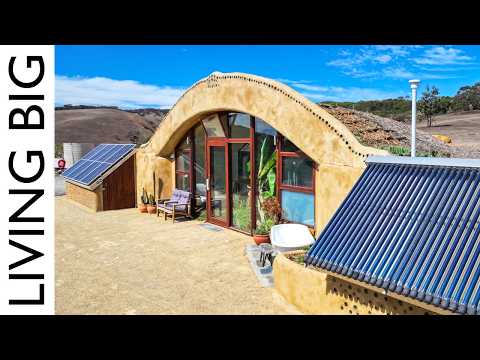
The key principles of earthship design include using natural and recycled materials, minimizing waste, and maximizing energy efficiency. Earthships are typically built into the ground, using the natural insulation of the earth to regulate temperature. The design also incorporates large windows and solar tubes to provide natural light and heat. Passive solar design and green building techniques are also employed to reduce the carbon footprint of earthships. Additionally, earthships often feature rainwater harvesting systems and grey water systems to conserve water. The use of recycled materials and sustainable materials is also a key aspect of earthship design.
🏗️ Construction Methods and Materials
The construction of earthships involves using a combination of natural and recycled materials, such as tires, cans, and bottles. The tires are filled with soil and used as building blocks, while the cans and bottles are used to create walls and insulation. Natural building techniques, such as cob construction and straw bale construction, are also used to create earthships. The use of recycled tires and recycled plastics reduces waste and provides a unique aesthetic to the buildings. Earthships are also designed to be energy-efficient, using solar power and wind power to generate electricity.
🌿 Sustainable Systems and Features
Earthships are designed to be self-sufficient, with their own sustainable systems and features. These include solar power and wind power systems, rainwater harvesting systems, and grey water systems. Earthships also feature organic gardening and permaculture systems, allowing residents to grow their own food. The use of composting toilets and recycling systems reduces waste and minimizes the environmental impact of earthships. Additionally, earthships often incorporate green roofs and living walls to provide insulation and create habitats for wildlife.
💡 Energy Efficiency and Renewable Energy
Energy efficiency is a key aspect of earthship design, with features such as passive solar design and insulation to minimize heat loss. Earthships are also equipped with solar power and wind power systems, generating electricity and reducing reliance on the grid. The use of energy-efficient appliances and LED lighting further reduces energy consumption. Earthships are designed to be net-zero energy, producing as much energy as they consume. The incorporation of geothermal systems and hydro power systems can also provide a reliable source of renewable energy.
🌈 Water Conservation and Management
Water conservation is another important aspect of earthship design, with features such as rainwater harvesting systems and grey water systems. These systems collect and filter rainwater and grey water, allowing residents to use it for irrigation, flushing toilets, and other non-potable purposes. Earthships also feature low-flow fixtures and water-efficient appliances to minimize water consumption. The use of drought-resistant plants and xeriscaping techniques reduces the need for irrigation, creating a sustainable and water-efficient landscape.
🚮 Waste Management and Recycling
Waste management is a critical aspect of earthship design, with features such as composting toilets and recycling systems. These systems reduce waste and minimize the environmental impact of earthships. Earthships also feature worm composting and vermicomposting systems, allowing residents to turn food waste into nutrient-rich fertilizer. The use of biodegradable products and sustainable packaging reduces waste and minimizes the environmental impact of earthships. Additionally, earthships often incorporate zero-waste principles, aiming to eliminate waste altogether.
📊 Cost and Affordability Considerations
The cost of building an earthship can vary, depending on the materials and design used. However, earthships are often more affordable than traditional homes, with features such as recycled materials and natural building techniques reducing construction costs. Earthships also offer long-term savings, with features such as solar power and wind power systems reducing energy bills. The use of energy-efficient appliances and water-efficient appliances further reduces energy and water consumption. Additionally, earthships can appreciate in value over time, making them a valuable investment for homeowners.
🔍 Challenges and Limitations of Earthship Architecture
Despite the many benefits of earthship architecture, there are also challenges and limitations to consider. One of the main challenges is the high upfront cost of building an earthship, which can be prohibitively expensive for some people. Additionally, earthships may require specialized knowledge and skills to build and maintain, which can be a barrier for some people. The use of non-traditional materials and alternative construction techniques can also raise concerns about durability and safety. However, with the right design, materials, and construction techniques, earthships can be a sustainable and viable option for the future.
🌐 Future Developments and Innovations
As the world continues to urbanize and the demand for sustainable housing grows, earthship architecture is likely to play an increasingly important role. With advances in technology and materials, earthships are becoming more efficient, affordable, and accessible to people from all walks of life. The incorporation of modular construction and prefabricated homes principles can make earthships more efficient and cost-effective to build. The use of artificial intelligence and Internet of Things technologies can also enhance the sustainability and efficiency of earthships. As the world looks to the future, earthship architecture is an exciting and innovative solution for sustainable living.
Key Facts
- Year
- 1970
- Origin
- Taos, New Mexico, USA
- Category
- Sustainable Architecture
- Type
- Architectural Movement
Frequently Asked Questions
What is earthship architecture?
Earthship architecture is a sustainable and self-sufficient approach to building homes, using natural and recycled materials to create energy-efficient and environmentally friendly buildings. Earthships are designed to be net-zero energy and zero-waste, minimizing their impact on the environment. The use of recycled materials and sustainable materials reduces waste and provides a unique aesthetic to the buildings.
How do earthships work?
Earthships work by using natural and recycled materials to create a self-sufficient and sustainable building. They are designed to be energy-efficient, using passive solar design and insulation to minimize heat loss. Earthships also feature solar power and wind power systems, generating electricity and reducing reliance on the grid. The use of rainwater harvesting and grey water systems conserves water and reduces waste.
What are the benefits of earthship architecture?
The benefits of earthship architecture include reduced energy consumption, minimized waste, and a lower carbon footprint. Earthships are also designed to be affordable housing options, providing sustainable and self-sufficient living solutions for people from all walks of life. The use of recycled materials and sustainable materials reduces waste and provides a unique aesthetic to the buildings. Earthships also promote sustainable living and community development, creating thriving and resilient communities.
What are the challenges of building an earthship?
The challenges of building an earthship include the high upfront cost, the need for specialized knowledge and skills, and the potential for non-traditional materials and alternative construction techniques to raise concerns about durability and safety. However, with the right design, materials, and construction techniques, earthships can be a sustainable and viable option for the future. The incorporation of modular construction and prefabricated homes principles can make earthships more efficient and cost-effective to build.
Can earthships be built in any climate?
Yes, earthships can be built in any climate, from hot and dry to cold and wet. The design and materials used will vary depending on the climate, but the principles of earthship architecture remain the same. The use of insulation and passive solar design can help to regulate temperature and minimize heat loss. Earthships can also be designed to withstand natural disasters, such as hurricanes and earthquakes, making them a resilient and sustainable option for the future.
How much does it cost to build an earthship?
The cost of building an earthship can vary, depending on the materials and design used. However, earthships are often more affordable than traditional homes, with features such as recycled materials and natural building techniques reducing construction costs. The use of energy-efficient appliances and water-efficient appliances can also reduce energy and water consumption, providing long-term savings. Earthships can appreciate in value over time, making them a valuable investment for homeowners.
What is the future of earthship architecture?
The future of earthship architecture is exciting and innovative, with advances in technology and materials making earthships more efficient, affordable, and accessible to people from all walks of life. The incorporation of artificial intelligence and Internet of Things technologies can enhance the sustainability and efficiency of earthships. As the world looks to the future, earthship architecture is a sustainable and viable solution for the housing needs of the 21st century.