
Contents
- 🌎 Introduction to Earthquakes
- 📊 Understanding Seismic Activity
- 🌈 Types of Earthquakes
- 🚨 Earthquake Intensity and Magnitude
- 🌆 Earthquake-Prone Areas
- 🌊 Tsunamis and Earthquakes
- 🏗️ Earthquake-Resistant Construction
- 🔍 Predicting Earthquakes
- 🌟 Earthquake Preparedness and Response
- 📊 Economic Impact of Earthquakes
- 🌎 Global Earthquake Response Efforts
- Frequently Asked Questions
- Related Topics
Overview
Earthquakes are a powerful reminder of the Earth's unpredictable fury. An earthquake is the shaking of the Earth's surface resulting from a sudden release of energy in the lithosphere that creates seismic waves. The seismic activity of an area is the frequency, type, and size of earthquakes experienced over a particular time. According to the United States Geological Survey, earthquakes can range in intensity, from those so weak they cannot be felt, to those violent enough to propel objects and people into the air, damage critical infrastructure, and wreak destruction across entire cities. The study of earthquakes is a complex field that involves understanding plate tectonics and the movement of the Earth's crust. For more information on earthquakes, visit the National Earthquake Information Center.
📊 Understanding Seismic Activity
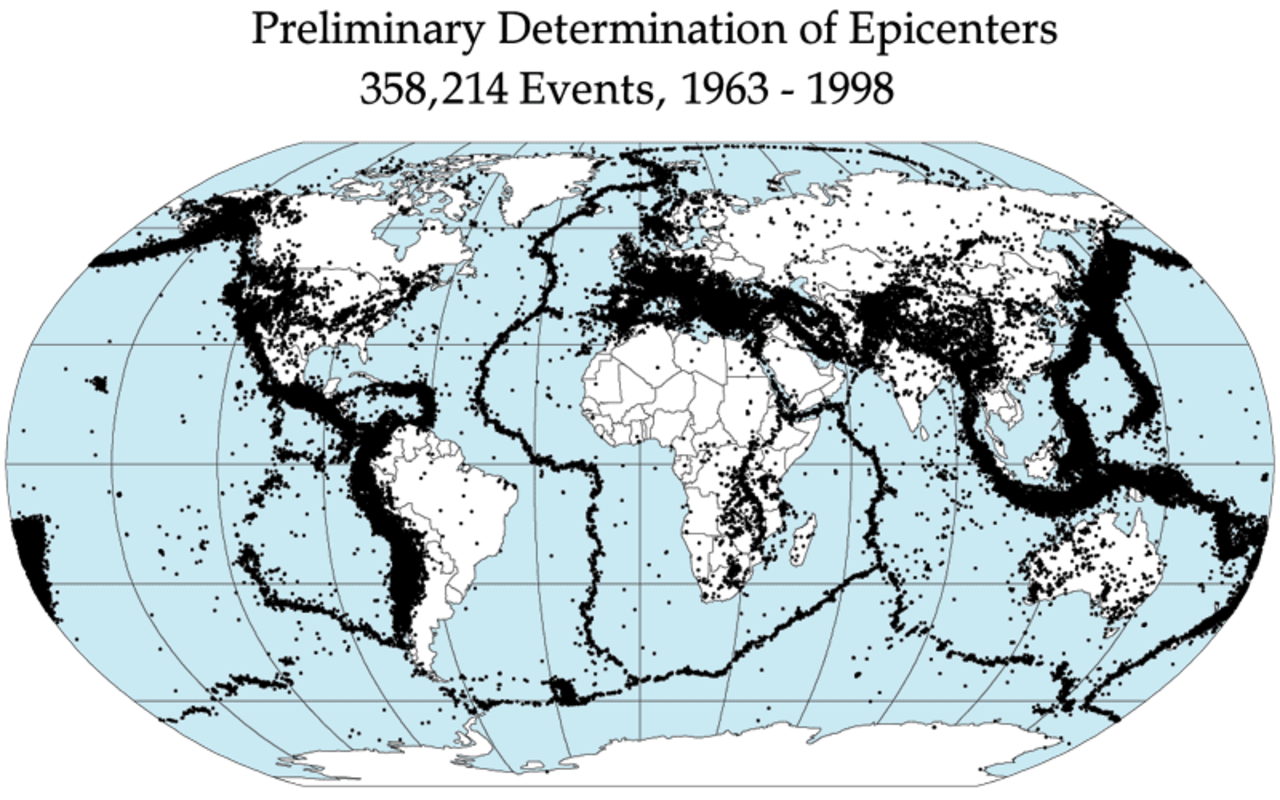
Understanding seismic activity is crucial for predicting and preparing for earthquakes. The seismicity at a particular location in the Earth is the average rate of seismic energy released per unit volume. This information can be used to identify earthquake-prone areas and develop strategies for mitigating the impact of earthquakes. The United States Geological Survey provides detailed information on seismic activity and earthquake risk. By studying seismic data, scientists can gain insights into the underlying processes that drive earthquakes and develop more accurate earthquake prediction models. For example, the Pacific Ring of Fire is a region of high seismic activity due to the subduction of several tectonic plates. Visit the United States Geological Survey website for more information on seismic activity.
🌈 Types of Earthquakes
There are several types of earthquakes, each with distinct characteristics. Tectonic earthquakes are the most common type and are caused by the movement of tectonic plates. Volcanic earthquakes are triggered by the movement of magma and gas beneath a volcano. Collapse earthquakes occur when a cave or underground void collapses. Understanding the different types of earthquakes is essential for developing effective earthquake mitigation strategies. The University of California, Berkeley has a comprehensive program for studying earthquakes and developing earthquake-resistant construction techniques. For more information on earthquake types, visit the United States Geological Survey website.
🚨 Earthquake Intensity and Magnitude
Earthquake intensity and magnitude are two related but distinct concepts. Earthquake intensity refers to the amount of shaking caused by an earthquake, while earthquake magnitude refers to the size of the earthquake. The Richter scale is a logarithmic scale used to measure earthquake magnitude. Understanding the difference between intensity and magnitude is crucial for assessing the impact of an earthquake and developing effective response strategies. The National Earthquake Information Center provides detailed information on earthquake intensity and magnitude. For example, the Northridge earthquake had a magnitude of 6.7 and caused widespread damage in the Los Angeles area. Visit the United States Geological Survey website for more information on earthquake intensity and magnitude.
🌆 Earthquake-Prone Areas
Certain areas are more prone to earthquakes due to their location on the Earth's surface. The San Andreas Fault is a major transform fault that runs through California and is responsible for many significant earthquakes in the region. The Pacific Northwest is another region of high seismic activity due to the subduction of the Juan de Fuca plate beneath the North American plate. Understanding the seismic hazard of an area is essential for developing effective earthquake preparedness strategies. The University of Washington has a comprehensive program for studying earthquakes and developing earthquake-resistant construction techniques. For more information on earthquake-prone areas, visit the United States Geological Survey website.
🌊 Tsunamis and Earthquakes
Tsunamis are often triggered by earthquakes and can cause widespread destruction. A tsunami is a series of ocean waves that are caused by the displacement of a large volume of water, usually as a result of an earthquake or landslide. The Indian Ocean tsunami of 2004 is a devastating example of the impact of a tsunami triggered by an earthquake. Understanding the relationship between earthquakes and tsunamis is essential for developing effective tsunami warning systems. The National Oceanic and Atmospheric Administration provides detailed information on tsunamis and tsunami warning systems. For example, the Pacific Tsunami Warning System is a network of seismic and sea-level monitoring stations that provide early warnings of tsunamis in the Pacific Ocean. Visit the National Oceanic and Atmospheric Administration website for more information on tsunamis.
🏗️ Earthquake-Resistant Construction
Earthquake-resistant construction is critical for minimizing the impact of earthquakes on buildings and infrastructure. The University of California, Berkeley has a comprehensive program for developing earthquake-resistant construction techniques. Seismic design involves designing buildings and structures to withstand the forces generated by earthquakes. The American Society of Civil Engineers provides guidelines for seismic design and earthquake-resistant construction. For example, the Transamerica Pyramid in San Francisco is a building that was designed with seismic resistance in mind. Visit the University of California, Berkeley website for more information on earthquake-resistant construction.
🔍 Predicting Earthquakes
Predicting earthquakes is a complex task that involves understanding the underlying processes that drive seismic activity. While it is not currently possible to predict earthquakes with certainty, scientists are working to develop more accurate earthquake prediction models. The United States Geological Survey provides detailed information on earthquake prediction and seismic hazard assessment. For example, the Pacific Earthquake Prediction Center is a research center that focuses on developing earthquake prediction models for the Pacific region. Visit the United States Geological Survey website for more information on earthquake prediction.
🌟 Earthquake Preparedness and Response
Earthquake preparedness and response are critical for minimizing the impact of earthquakes on communities. The Federal Emergency Management Agency provides guidelines for earthquake preparedness and response. Earthquake drills are an essential part of earthquake preparedness and can help individuals and communities prepare for the unexpected. The American Red Cross provides detailed information on earthquake preparedness and response. For example, the Great ShakeOut is an annual earthquake drill that takes place in several states and countries. Visit the Federal Emergency Management Agency website for more information on earthquake preparedness and response.
📊 Economic Impact of Earthquakes
The economic impact of earthquakes can be significant, with damages ranging from millions to billions of dollars. The Northridge earthquake of 1994 is an example of a devastating earthquake that caused widespread damage and economic loss. Understanding the economic impact of earthquakes is essential for developing effective earthquake mitigation strategies. The National Earthquake Information Center provides detailed information on the economic impact of earthquakes. For example, the United States Geological Survey estimates that the annualized earthquake loss in the United States is around $4.4 billion. Visit the United States Geological Survey website for more information on the economic impact of earthquakes.
🌎 Global Earthquake Response Efforts
Global earthquake response efforts are critical for minimizing the impact of earthquakes on communities worldwide. The United Nations provides guidelines for earthquake response and recovery. Earthquake response teams are essential for providing aid and support to affected communities. The International Federation of Red Cross and Red Crescent Societies provides detailed information on earthquake response and recovery. For example, the Haiti earthquake of 2010 is an example of a devastating earthquake that required a global response effort. Visit the United Nations website for more information on global earthquake response efforts.
Key Facts
- Year
- 2011
- Origin
- Tectonic Plate Boundaries
- Category
- Natural Disasters
- Type
- Natural Phenomenon
Frequently Asked Questions
What is an earthquake?
An earthquake is the shaking of the Earth's surface resulting from a sudden release of energy in the lithosphere that creates seismic waves. Earthquakes can range in intensity, from those so weak they cannot be felt, to those violent enough to propel objects and people into the air, damage critical infrastructure, and wreak destruction across entire cities. The study of earthquakes is a complex field that involves understanding plate tectonics and the movement of the Earth's crust. For more information on earthquakes, visit the National Earthquake Information Center.
What is the difference between earthquake intensity and magnitude?
Earthquake intensity refers to the amount of shaking caused by an earthquake, while earthquake magnitude refers to the size of the earthquake. The Richter scale is a logarithmic scale used to measure earthquake magnitude. Understanding the difference between intensity and magnitude is crucial for assessing the impact of an earthquake and developing effective response strategies. The National Earthquake Information Center provides detailed information on earthquake intensity and magnitude.
How can I prepare for an earthquake?
Earthquake preparedness and response are critical for minimizing the impact of earthquakes on communities. The Federal Emergency Management Agency provides guidelines for earthquake preparedness and response. Earthquake drills are an essential part of earthquake preparedness and can help individuals and communities prepare for the unexpected. The American Red Cross provides detailed information on earthquake preparedness and response. For example, the Great ShakeOut is an annual earthquake drill that takes place in several states and countries.
What is the economic impact of earthquakes?
The economic impact of earthquakes can be significant, with damages ranging from millions to billions of dollars. The Northridge earthquake of 1994 is an example of a devastating earthquake that caused widespread damage and economic loss. Understanding the economic impact of earthquakes is essential for developing effective earthquake mitigation strategies. The National Earthquake Information Center provides detailed information on the economic impact of earthquakes.
How can I stay safe during an earthquake?
During an earthquake, it is essential to stay calm and follow safety protocols. The American Red Cross provides detailed information on earthquake safety and response. Drop, cover, and hold on is a recommended safety protocol during an earthquake. This involves dropping to the ground, taking cover under a sturdy piece of furniture, and holding onto the furniture to prevent being knocked over or pulled away. For example, the Great ShakeOut provides guidelines for earthquake safety and response.
What is the role of earthquake-resistant construction in minimizing the impact of earthquakes?
Earthquake-resistant construction is critical for minimizing the impact of earthquakes on buildings and infrastructure. The University of California, Berkeley has a comprehensive program for developing earthquake-resistant construction techniques. Seismic design involves designing buildings and structures to withstand the forces generated by earthquakes. The American Society of Civil Engineers provides guidelines for seismic design and earthquake-resistant construction.
How can I get involved in earthquake response efforts?
Global earthquake response efforts are critical for minimizing the impact of earthquakes on communities worldwide. The United Nations provides guidelines for earthquake response and recovery. Earthquake response teams are essential for providing aid and support to affected communities. The International Federation of Red Cross and Red Crescent Societies provides detailed information on earthquake response and recovery. For example, the Haiti earthquake of 2010 is an example of a devastating earthquake that required a global response effort.