
Contents
Overview
The deadlift has a rich history, dating back to the early days of strength training. It was first introduced as a competitive lift in the late 19th century, with the first official deadlift competition held in 1890. Since then, the deadlift has become a staple in powerlifting and strongman competitions, with athletes like Eddie Hall and Brian Shaw pushing the limits of human strength. The deadlift is often performed with a barbell, but can also be done with dumbbells, kettlebells, trap bars, or resistance bands.
⚙️ How It Works
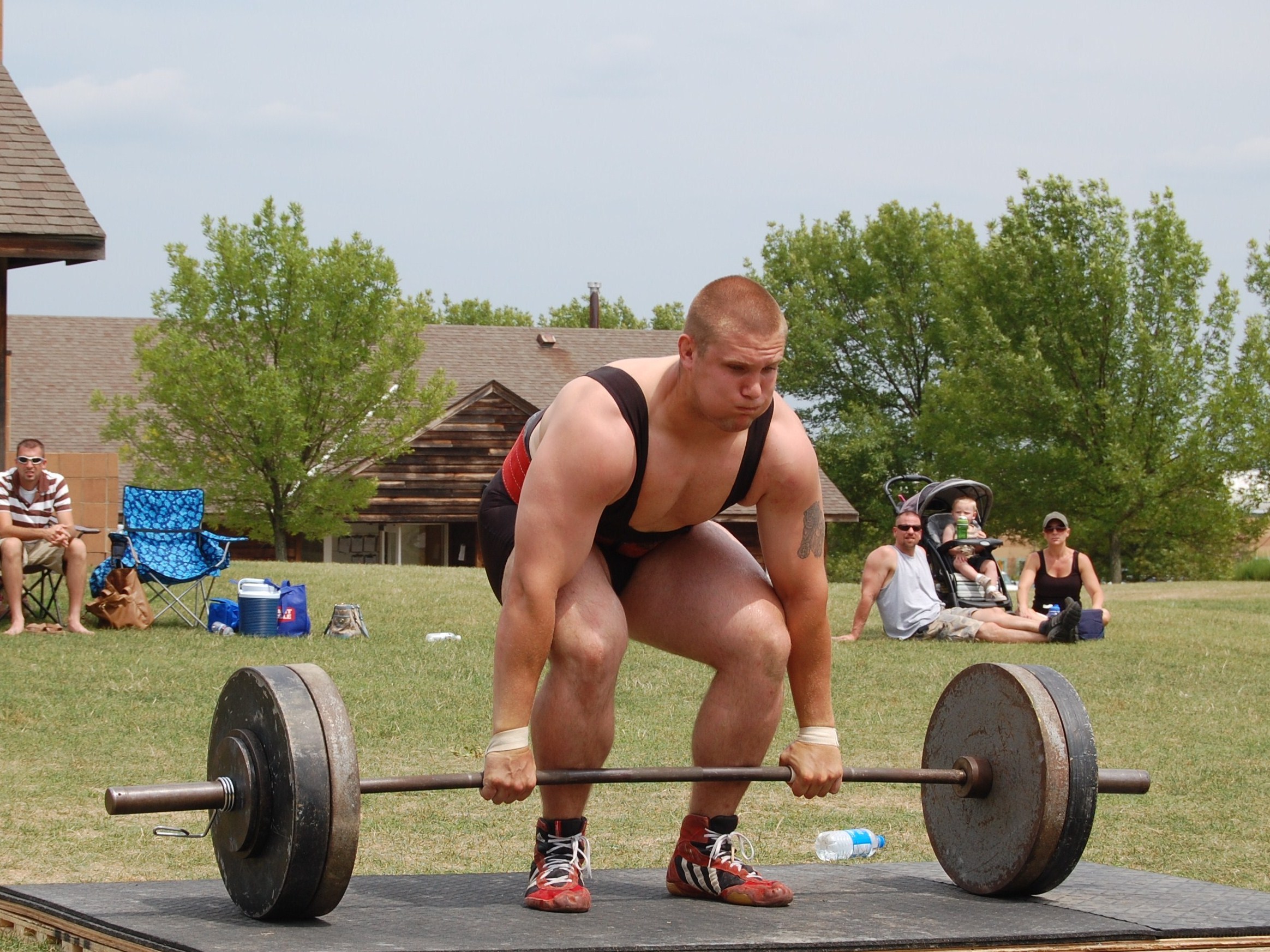
The deadlift is a complex exercise that requires proper form and technique to execute safely and effectively. It involves lifting a weight from the ground to hip level, using the muscles of the back, legs, and core. There are two main styles of deadlift: the conventional deadlift and the sumo deadlift. The conventional deadlift involves standing with the feet shoulder-width apart, while the sumo deadlift involves standing with the feet wider than shoulder-width apart. Both styles are permitted in powerlifting competitions, but only the conventional stance is allowed in strongman competitions. Athletes like Louie Simmons and Mark Philippi have developed training programs and techniques to help individuals improve their deadlift performance.
🌍 Cultural Impact
The deadlift has had a significant impact on popular culture, with many athletes and celebrities incorporating the exercise into their training routines. It has also been featured in various forms of media, including films and television shows. The deadlift has become a symbol of strength and power, with many people striving to achieve a personal best lift. The exercise has also been adopted by various fitness communities, including the CrossFit community, which has helped to popularize the deadlift and other functional exercises. Organizations like the National Strength and Conditioning Association (NSCA) and the American Council on Exercise (ACE) provide education and resources on proper deadlift technique and training.
🔮 Legacy & Future
The deadlift continues to evolve, with new techniques and training methods being developed all the time. The rise of social media has also helped to increase the popularity of the deadlift, with many athletes and fitness enthusiasts sharing their deadlift journeys and progress online. As the sport of powerlifting continues to grow, the deadlift will remain a central component, with athletes pushing the limits of human strength and endurance. The deadlift has also been influenced by other strength training disciplines, such as weightlifting and strongman, with athletes like Martins Licis and Trey Mitchell competing in multiple strength sports.
Key Facts
- Year
- 1890
- Origin
- Europe
- Category
- fitness
- Type
- exercise
Frequently Asked Questions
What is the proper form for a deadlift?
The proper form for a deadlift involves standing with the feet shoulder-width apart, gripping the barbell with an overhand grip, and lifting the weight up to hip level using the muscles of the back, legs, and core. It is essential to keep the back straight and the core engaged throughout the lift. Resources like the National Strength and Conditioning Association (NSCA) and the American Council on Exercise (ACE) provide guidance on proper deadlift technique.
What are the benefits of deadlifting?
The benefits of deadlifting include increased strength and power, improved muscle mass and endurance, and enhanced overall athletic performance. Deadlifting can also help improve bone density and reduce the risk of injury. Many athletes, including Brian Shaw and Martins Licis, incorporate deadlifting into their training routines to improve their overall strength and fitness.
How often should I deadlift?
The frequency of deadlifting depends on individual goals and training programs. Generally, it is recommended to deadlift 1-2 times per week, with at least 2-3 days of rest in between. However, some athletes and strength coaches, such as Louie Simmons, recommend deadlifting more frequently, up to 3-4 times per week, as part of a periodized training program.
What is the difference between a conventional and sumo deadlift?
The main difference between a conventional and sumo deadlift is the stance. A conventional deadlift involves standing with the feet shoulder-width apart, while a sumo deadlift involves standing with the feet wider than shoulder-width apart. The sumo deadlift allows for a more upright posture and can be easier on the back, but it can also be more challenging to lift heavy weights. Athletes like Eddie Hall and Trey Mitchell have used both conventional and sumo deadlifts in their training.
How can I improve my deadlift?
To improve your deadlift, focus on building overall strength and power through a combination of exercises, including squats, lunges, and leg press. It is also essential to practice proper form and technique, and to gradually increase the weight and intensity of your workouts over time. Many resources, including the CrossFit community and strength coaches like Mark Philippi, provide guidance on deadlift training and technique.