
Contents
- 🏥 Introduction to Dasatinib
- 🧬 Mechanism of Action
- 💊 Pharmacokinetics and Pharmacodynamics
- 📊 Clinical Trials and Efficacy
- 🚨 Safety and Adverse Effects
- 👥 Patient Selection and Administration
- 📈 Resistance and Treatment Failure
- 🔬 Ongoing Research and Development
- 📊 Cost and Accessibility
- 🌎 Global Impact and Approval
- 🤝 Combination Therapies and Future Directions
- Frequently Asked Questions
- Related Topics
Overview
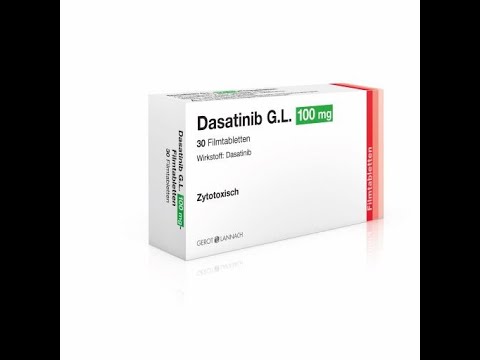
Dasatinib, marketed under the brand name Sprycel, is a potent tyrosine kinase inhibitor used in the treatment of certain types of cancer, including Chronic Myeloid Leukemia (CML) and Acute Lymphoblastic Leukemia (ALL). Developed by Bristol-Myers Squibb, dasatinib has shown significant efficacy in targeting and inhibiting specific tyrosine kinases, which are enzymes responsible for the activation of many proteins by signal transduction cascades. The drug's mechanism of action is complex, involving the inhibition of multiple kinases, including BCR-ABL, SRC family kinases, and c-KIT. This multifaceted approach allows dasatinib to effectively combat cancer cells that are resistant to other treatments. For instance, in patients with Philadelphia chromosome-positive CML, dasatinib has been shown to induce significant hematologic and cytogenetic responses.
🧬 Mechanism of Action
The mechanism of action of dasatinib is rooted in its ability to bind to and inhibit the activity of specific tyrosine kinases. By doing so, dasatinib disrupts the signal transduction pathways that are crucial for the growth and survival of cancer cells. This is particularly relevant in the context of cancer cell signaling, where the dysregulation of tyrosine kinases can lead to uncontrolled cell proliferation and tumor growth. Dasatinib's inhibitory effects on BCR-ABL and other kinases have been extensively studied, and its efficacy in targeting these enzymes has been demonstrated in various clinical trials. Furthermore, dasatinib's ability to cross the blood-brain barrier makes it an attractive option for treating central nervous system involvement in CML and ALL.
💊 Pharmacokinetics and Pharmacodynamics
The pharmacokinetics and pharmacodynamics of dasatinib are critical factors in its efficacy and safety profile. Following oral administration, dasatinib is rapidly absorbed, with peak plasma concentrations achieved within 0.5 to 3 hours. The drug's bioavailability is approximately 25%, and its terminal half-life is around 3 to 5 hours. Dasatinib is primarily metabolized by cytochrome P450 enzymes, specifically CYP3A4, and its metabolites are excreted in the feces. Understanding the pharmacokinetics and pharmacodynamics of dasatinib is essential for optimizing its dosing regimen and minimizing the risk of adverse effects. For example, patients with liver impairment may require dose adjustments to avoid increased exposure to the drug.
📊 Clinical Trials and Efficacy
Dasatinib has undergone extensive clinical testing, with numerous trials demonstrating its efficacy in treating CML and ALL. In the DASISION trial, dasatinib was compared to imatinib in patients with newly diagnosed CML, and the results showed that dasatinib was associated with higher rates of complete cytogenetic response and major molecular response. Similarly, in the CA180-034 trial, dasatinib was evaluated in patients with CML who were resistant or intolerant to imatinib, and the drug was found to induce significant hematologic and cytogenetic responses. These trials have established dasatinib as a valuable treatment option for patients with CML and ALL, particularly those who are resistant to other therapies.
🚨 Safety and Adverse Effects
While dasatinib has shown significant efficacy in treating CML and ALL, it is not without its risks. Common adverse effects of dasatinib include myelosuppression, fluid retention, and gastrointestinal toxicity. More severe adverse effects, such as pulmonary edema and bleeding complications, have also been reported. Patients receiving dasatinib require regular monitoring of their blood counts, liver function, and other vital signs to minimize the risk of these adverse effects. Additionally, dasatinib has been associated with an increased risk of infections, particularly in patients with immunocompromised conditions.
👥 Patient Selection and Administration
The selection of patients for dasatinib treatment is a critical factor in optimizing its efficacy and safety. Patients with CML or ALL who are resistant or intolerant to other therapies, such as imatinib or nilotinib, may be considered for dasatinib treatment. Additionally, patients with Philadelphia chromosome-positive CML or ALL may be eligible for dasatinib treatment. The administration of dasatinib typically involves oral dosing, with the recommended dose ranging from 100 to 140 mg per day. Patients should be advised to take dasatinib with or without food, and to avoid grapefruit juice and other cytochrome P450 inhibitors that may interact with the drug.
📈 Resistance and Treatment Failure
Resistance to dasatinib is a significant concern, as it can limit the drug's efficacy and lead to treatment failure. Several mechanisms of resistance have been identified, including BCR-ABL mutations and SRC family kinase activation. To overcome resistance, combination therapies involving dasatinib and other agents, such as omacetaxine or bosutinib, are being explored. Additionally, novel tyrosine kinase inhibitors, such as ponatinib, are being developed to target resistant CML and ALL cells. These advances in treatment options highlight the ongoing need for research and development in the field of CML and ALL therapy.
🔬 Ongoing Research and Development
Ongoing research and development are focused on optimizing dasatinib's efficacy and safety profile, as well as exploring its potential in combination with other therapies. For example, studies are investigating the use of dasatinib in combination with immunotherapy or targeted therapy to enhance its antitumor effects. Additionally, efforts are being made to develop more potent and selective tyrosine kinase inhibitors that can overcome resistance to dasatinib. The DASISION trial and other studies have provided valuable insights into dasatinib's efficacy and safety, and have paved the way for further research and development in this area.
📊 Cost and Accessibility
The cost and accessibility of dasatinib are significant concerns, particularly in resource-limited settings. The high cost of dasatinib, which can range from $10,000 to $20,000 per month, can be a barrier to access for many patients. Efforts to improve accessibility, such as patient assistance programs and generic drug development, are underway. Additionally, healthcare policy initiatives aimed at increasing access to cancer treatments, such as the Affordable Care Act, may help to mitigate the financial burden of dasatinib treatment.
🌎 Global Impact and Approval
Dasatinib has been approved for use in numerous countries, including the United States, Europe, and Japan. The drug's global impact has been significant, with thousands of patients benefiting from its efficacy in treating CML and ALL. However, challenges remain, particularly in resource-limited settings where access to dasatinib and other cancer treatments is limited. Efforts to improve global access to cancer care, such as the World Health Organization's cancer control programs, are critical to addressing these disparities.
🤝 Combination Therapies and Future Directions
The future of dasatinib treatment lies in its potential use in combination with other therapies, such as immunotherapy or targeted therapy. Combination regimens involving dasatinib and other agents, such as omacetaxine or bosutinib, are being explored to enhance its antitumor effects. Additionally, novel tyrosine kinase inhibitors, such as ponatinib, are being developed to target resistant CML and ALL cells. These advances in treatment options highlight the ongoing need for research and development in the field of CML and ALL therapy, and demonstrate the potential for dasatinib to remain a valuable treatment option for patients with these diseases.
Key Facts
- Year
- 2006
- Origin
- Bristol-Myers Squibb
- Category
- Pharmaceuticals
- Type
- Medication
Frequently Asked Questions
What is dasatinib used for?
Dasatinib is used to treat certain types of cancer, including Chronic Myeloid Leukemia (CML) and Acute Lymphoblastic Leukemia (ALL). It is a tyrosine kinase inhibitor that works by inhibiting the activity of specific enzymes involved in cancer cell growth and survival.
How does dasatinib work?
Dasatinib works by inhibiting the activity of specific tyrosine kinases, including BCR-ABL, SRC family kinases, and c-KIT. This inhibitory effect disrupts the signal transduction pathways that are crucial for cancer cell growth and survival, ultimately leading to the death of cancer cells.
What are the common side effects of dasatinib?
Common side effects of dasatinib include myelosuppression, fluid retention, and gastrointestinal toxicity. More severe side effects, such as pulmonary edema and bleeding complications, have also been reported.
Can dasatinib be used in combination with other therapies?
Yes, dasatinib can be used in combination with other therapies, such as immunotherapy or targeted therapy. Combination regimens involving dasatinib and other agents, such as omacetaxine or bosutinib, are being explored to enhance its antitumor effects.
Is dasatinib approved for use in all countries?
No, dasatinib is not approved for use in all countries. However, it has been approved for use in numerous countries, including the United States, Europe, and Japan. Efforts to improve global access to cancer care, such as the World Health Organization's cancer control programs, are critical to addressing disparities in access to dasatinib and other cancer treatments.
What is the cost of dasatinib?
The cost of dasatinib can range from $10,000 to $20,000 per month, depending on the country and the specific formulation of the drug. Efforts to improve accessibility, such as patient assistance programs and generic drug development, are underway to mitigate the financial burden of dasatinib treatment.
Can dasatinib be used to treat other types of cancer?
Dasatinib is currently approved for use in treating Chronic Myeloid Leukemia (CML) and Acute Lymphoblastic Leukemia (ALL). However, research is ongoing to explore its potential use in treating other types of cancer, such as solid tumors.