
Contents
- 🎵 Origins & History
- ⚙️ How It Works
- 📊 Key Facts & Numbers
- 👥 Key People & Organizations
- 🌍 Cultural Impact & Influence
- ⚡ Current State & Latest Developments
- 🤔 Controversies & Debates
- 🔮 Future Outlook & Predictions
- 💡 Practical Applications
- 📚 Related Topics & Deeper Reading
- Frequently Asked Questions
- References
- Related Topics
Overview
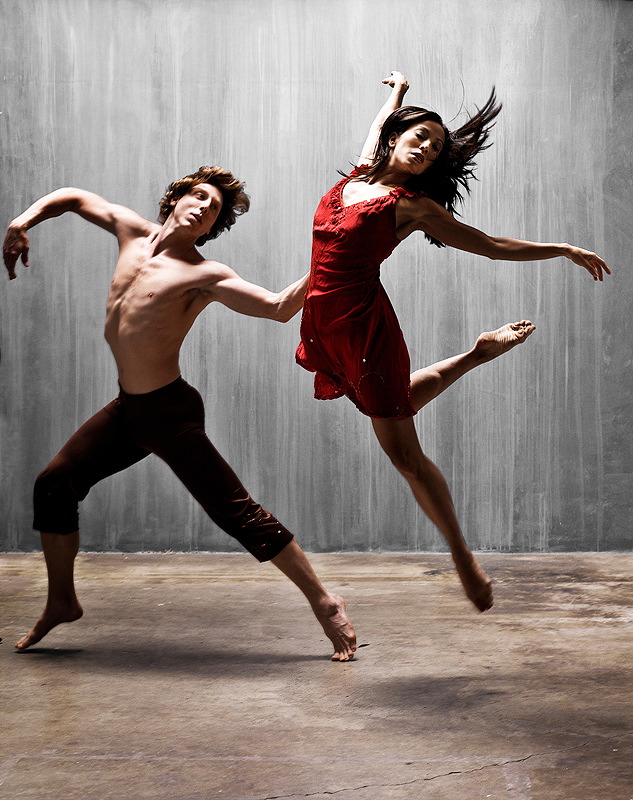
Dancing is a multifaceted art form that encompasses a wide range of styles, from ballet and contemporary to hip-hop and ballroom. With a rich history that spans thousands of years, dance has evolved into a global phenomenon, with various forms and techniques being practiced and performed across the world. According to the World Dance Council, there are over 100 recognized dance styles, each with its unique choreography, repertoire of movements, and cultural significance. Dancing is not only a form of artistic expression but also a popular form of exercise, with many people engaging in dance-based workouts, such as Zumba and Hip Hop Abs, to improve their physical fitness and mental well-being. With its numerous benefits, including improved cardiovascular health, weight management, and stress reduction, dancing has become an integral part of many people's lives, with over 100 million people worldwide participating in dance classes, workshops, and competitions, as reported by the International Dance Council.
🎵 Origins & History
Dancing has a long and diverse history, with evidence of dance dating back to ancient civilizations, such as the Egyptians, Greeks, and Romans. The earliest recorded dance forms include the ballet and ballroom dance, which originated in Europe in the 15th and 16th centuries, respectively. Over time, dance has evolved and branched out into various styles, including hip-hop, contemporary dance, and Latin dance. Today, dance is a global phenomenon, with numerous dance styles and techniques being practiced and performed across the world, including the popular tango and salsa styles.
⚙️ How It Works
Dancing involves a combination of physical movement, musicality, and expression. It requires a great deal of practice, dedication, and hard work to master the various techniques and styles. According to Martha Graham, a renowned American dancer and choreographer, 'dance is the hidden language of the soul.' Dancing can be performed solo or in groups, and it can be accompanied by music, singing, or other forms of expression. Many dancers, including Mikhail Baryshnikov and Judith Jamison, have made significant contributions to the world of dance, pushing the boundaries of what is possible and inspiring new generations of dancers.
📊 Key Facts & Numbers
There are numerous benefits to dancing, including improved physical fitness, weight management, and stress reduction. Dancing can also be a fun and social activity, providing opportunities to meet new people and make friends. According to a study published in the Journal of Dance Medicine, dancing can reduce the risk of osteoporosis and improve cognitive function in older adults. With its numerous benefits, dancing has become a popular form of exercise and recreation, with many people engaging in dance-based workouts, such as Pilates and yoga.
👥 Key People & Organizations
Many notable dancers and choreographers have made significant contributions to the world of dance. These include Alvin Ailey, who founded the Alvin Ailey American Dance Theater, and George Balanchine, who is known for his work with the New York City Ballet. Other notable dancers and choreographers include Bob Fosse and Twyla Tharp, who have both made significant contributions to the world of dance, including the development of new styles and techniques, such as the jazz dance style.
🌍 Cultural Impact & Influence
Dancing has had a significant impact on culture and society. It has been used as a form of expression, communication, and social commentary. According to bell hooks, a renowned American author and feminist, 'dance is a way of knowing and being in the world.' Dancing has also been used as a form of therapy, with many dance therapists using dance to help people with physical and emotional disabilities. With its numerous benefits and applications, dancing has become an integral part of many cultures and societies, including the Brazilian culture and the African American culture.
⚡ Current State & Latest Developments
Today, dancing is more popular than ever, with numerous dance styles and techniques being practiced and performed across the world. The rise of social media has also made it easier for dancers to share their work and connect with others. According to Instagram, there are over 100 million dance-related posts on the platform, with many dancers and choreographers using the platform to showcase their work and build their brands. With its numerous benefits and applications, dancing is likely to continue to be a popular form of exercise, recreation, and artistic expression for years to come.
🤔 Controversies & Debates
Despite its many benefits, dancing is not without its controversies and debates. Some people argue that dancing is not a 'real' sport, while others argue that it is a highly demanding and physically challenging activity. According to Simone Biles, a renowned American gymnast, 'dance is a sport that requires strength, flexibility, and endurance.' Others argue that dancing is not a suitable activity for people with certain physical or mental disabilities. However, many dance therapists and advocates argue that dancing can be adapted to meet the needs of people with disabilities, and that it can be a highly beneficial and empowering activity for people of all ages and abilities.
🔮 Future Outlook & Predictions
As the world of dance continues to evolve, it is likely that new styles and techniques will emerge. According to Donna Summer, a renowned American singer and dancer, 'dance is a constantly evolving art form that reflects the changing times and cultures.' With the rise of technology, it is also likely that dancing will become more accessible and convenient, with online dance classes and tutorials becoming increasingly popular. With its numerous benefits and applications, dancing is likely to continue to be a popular form of exercise, recreation, and artistic expression for years to come.
💡 Practical Applications
Dancing has numerous practical applications, including exercise, recreation, and therapy. It can also be used as a form of social commentary and activism. According to Martha Graham, 'dance is a powerful tool for social change.' Many dancers and choreographers have used dance to raise awareness about social issues, such as racism, sexism, and environmentalism. With its numerous benefits and applications, dancing is a highly versatile and dynamic activity that can be enjoyed by people of all ages and backgrounds.
Key Facts
- Year
- 15th century
- Origin
- Italy
- Category
- fitness
- Type
- concept
Frequently Asked Questions
What are the benefits of dancing?
Dancing has numerous benefits, including improved physical fitness, weight management, and stress reduction. It can also be a fun and social activity, providing opportunities to meet new people and make friends.
What are the different styles of dance?
There are numerous styles of dance, including ballet, hip-hop, contemporary dance, and Latin dance. Each style has its unique choreography, repertoire of movements, and cultural significance.
Can anyone learn to dance?
Yes, anyone can learn to dance. Dancing is a skill that can be developed with practice, patience, and dedication. Many dance studios and schools offer classes for people of all ages and skill levels.
What is the history of dance?
The history of dance dates back to ancient civilizations, with evidence of dance found in ancient Egypt, Greece, and Rome. Over time, dance has evolved and branched out into various styles and techniques.
What are the practical applications of dance?
Dance has numerous practical applications, including exercise, recreation, and therapy. It can also be used as a form of social commentary and activism.
How can I get started with dancing?
To get started with dancing, you can take a class or workshop, practice at home, or join a dance community. Many dance studios and schools offer classes for people of all ages and skill levels.
What are the future trends in dance?
The future trends in dance include the rise of online dance classes and tutorials, the increasing popularity of dance-based workouts, and the continued evolution of new styles and techniques.