
Contents
- 🏥 Introduction to Clinical Oncology
- 🔬 The History of Cancer Treatment
- 👨⚕️ The Role of Oncologists in Cancer Care
- 🔍 Diagnosis and Staging of Cancer
- 💊 Treatment Options for Cancer
- 📊 Cancer Statistics and Trends
- 🌎 Global Efforts to Combat Cancer
- 💻 The Future of Clinical Oncology
- 🤝 Collaborative Research in Oncology
- 📚 Emerging Trends in Cancer Treatment
- 👥 Support Systems for Cancer Patients
- Frequently Asked Questions
- Related Topics
Overview
Clinical oncology, the branch of medicine focused on the diagnosis, treatment, and study of cancer, has a rich history dating back to ancient civilizations. The field has witnessed significant advancements, from the development of chemotherapy and radiation therapy to the current era of targeted therapies and immunotherapies. According to the American Cancer Society, in 2022, an estimated 1.9 million new cancer cases were diagnosed in the United States alone, highlighting the ongoing need for innovative treatments. Researchers like James Allison and Tasuku Honjo, who were awarded the Nobel Prize in Physiology or Medicine in 2018 for their discovery of cancer therapy by inhibition of negative immune regulation, have paved the way for future breakthroughs. With a vibe score of 8, indicating a high level of cultural energy and public interest, clinical oncology continues to be at the forefront of medical research. As we look to the future, the integration of AI, precision medicine, and ongoing clinical trials promises to further transform the landscape of cancer treatment, with potential winners including patients, researchers, and pharmaceutical companies, but also potential losers, such as those who may not have access to these advancements.
🏥 Introduction to Clinical Oncology
Clinical oncology is a vital branch of medicine that focuses on the study, diagnosis, treatment, and prevention of cancer. As a multidisciplinary field, clinical oncology involves the collaboration of various medical professionals, including oncologists, surgeons, radiologists, and pathologists. The primary goal of clinical oncology is to provide comprehensive care to cancer patients, from diagnosis to treatment and follow-up. For more information on cancer diagnosis, visit Cancer Diagnosis and Oncology. The role of Oncologists in cancer care is crucial, and their expertise is essential in developing effective treatment plans. Additionally, Cancer Research plays a vital role in advancing our understanding of the disease and improving treatment outcomes.
🔬 The History of Cancer Treatment
The history of cancer treatment dates back to ancient civilizations, with evidence of surgical procedures and herbal remedies used to treat cancerous tumors. However, it wasn't until the 20th century that significant advancements were made in cancer treatment, with the introduction of radiation therapy and chemotherapy. The development of Cancer Chemotherapy and Radiation Therapy has revolutionized the field of oncology, offering new hope to cancer patients. Today, clinical oncology continues to evolve, with ongoing research and innovations in Immunotherapy, Targeted Therapy, and Precision Medicine. For more information on the history of cancer treatment, visit History of Cancer Treatment. The work of Pioneers in Oncology has paved the way for modern cancer treatment.
👨⚕️ The Role of Oncologists in Cancer Care
Oncologists play a vital role in cancer care, responsible for diagnosing and treating cancer patients. They work closely with other medical professionals to develop personalized treatment plans, taking into account the patient's overall health, cancer type, and stage. Oncologists also conduct research to improve our understanding of cancer and develop new treatments. The role of Oncology Nursing is also crucial in providing supportive care to cancer patients. For more information on oncology nursing, visit Oncology Nursing Care. Additionally, Cancer Support Groups provide emotional support to patients and their families. The work of Oncologists in Research is essential in advancing our understanding of cancer and developing new treatments.
🔍 Diagnosis and Staging of Cancer
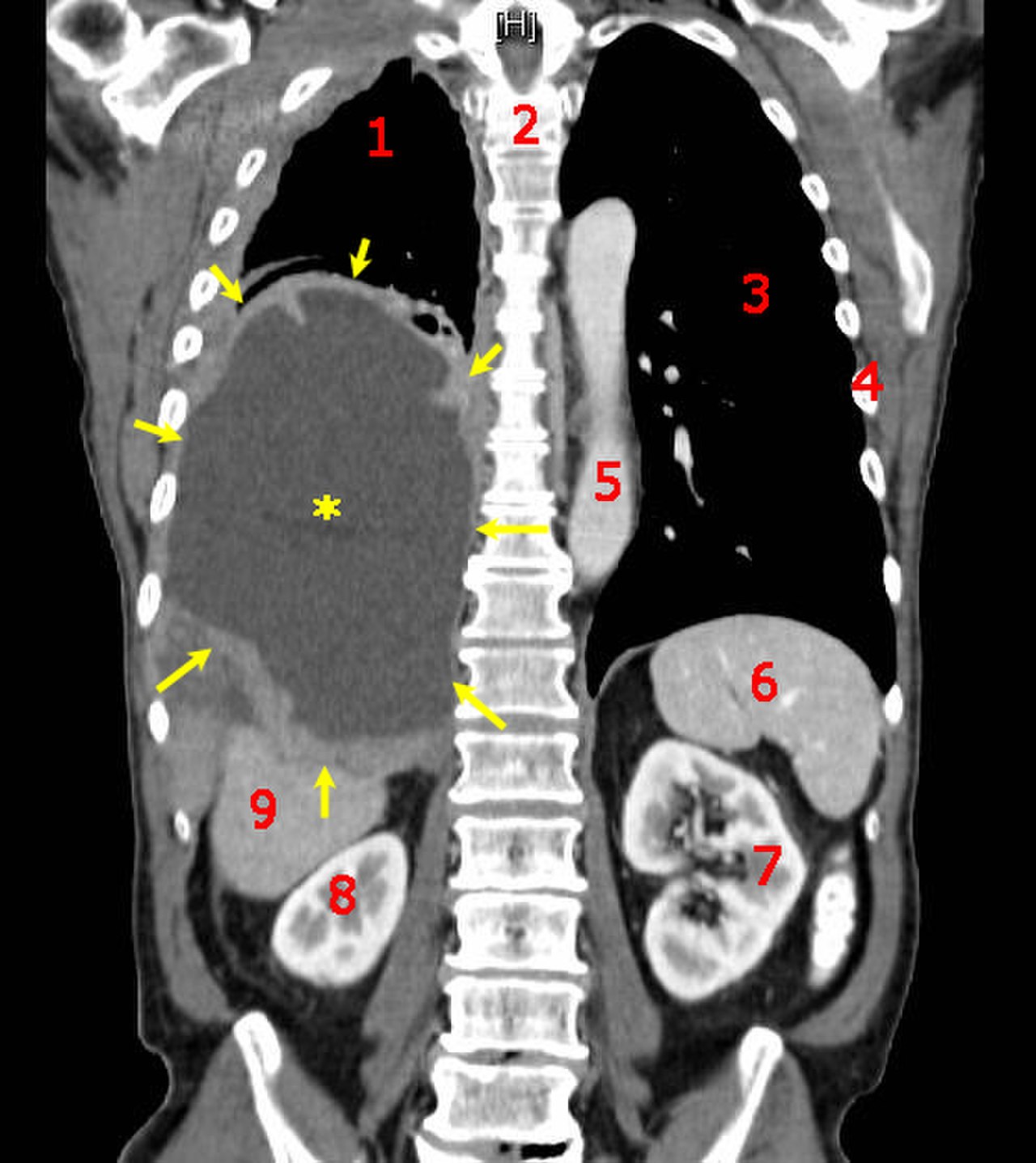
Diagnosing cancer involves a combination of physical examinations, imaging tests, and laboratory tests. Once a diagnosis is made, the cancer is staged to determine the extent of the disease. Staging helps oncologists develop an effective treatment plan and predict patient outcomes. For more information on cancer staging, visit Cancer Staging. The use of Imaging Techniques such as Magnetic Resonance Imaging (MRI) and Computed Tomography (CT) scans has improved the accuracy of cancer diagnosis. Additionally, Biomarkers are used to monitor cancer progression and treatment response. The role of Pathologists is crucial in diagnosing cancer and determining the type and stage of the disease.
💊 Treatment Options for Cancer
Treatment options for cancer depend on the type and stage of the disease. Surgery, radiation therapy, and chemotherapy are common treatments, while newer approaches like immunotherapy and targeted therapy are being used to treat specific types of cancer. For more information on cancer treatment options, visit Cancer Treatment Options. The use of Combination Therapy has improved treatment outcomes for many cancer patients. Additionally, Palliative Care is essential in improving the quality of life for cancer patients. The role of Oncology Social Workers is vital in providing emotional support to patients and their families.
📊 Cancer Statistics and Trends
Cancer statistics and trends provide valuable insights into the burden of the disease. According to the World Health Organization (WHO), cancer is a leading cause of death worldwide, with over 18 million new cases diagnosed in 2020. For more information on cancer statistics, visit Cancer Statistics. The use of Big Data and Artificial Intelligence (AI) is improving our understanding of cancer trends and patterns. Additionally, Global Health Initiatives are essential in reducing the burden of cancer worldwide. The work of Cancer Advocacy Groups is crucial in raising awareness about cancer and promoting cancer research.
🌎 Global Efforts to Combat Cancer
Global efforts to combat cancer involve international collaborations, research initiatives, and awareness campaigns. The World Cancer Day is observed on February 4th to raise awareness about cancer and promote early detection and treatment. For more information on global cancer initiatives, visit Global Cancer Initiatives. The role of International Cancer Research is essential in advancing our understanding of cancer and developing new treatments. Additionally, Cancer Awareness Campaigns are vital in promoting early detection and treatment. The work of Global Health Organizations is crucial in reducing the burden of cancer worldwide.
💻 The Future of Clinical Oncology
The future of clinical oncology is promising, with ongoing research and innovations in cancer treatment and diagnosis. The use of Liquid Biopsies and Genomic Testing is improving the accuracy of cancer diagnosis. For more information on the future of clinical oncology, visit Future of Clinical Oncology. The role of Precision Medicine is essential in developing personalized treatment plans for cancer patients. Additionally, Immunotherapy is a promising approach in cancer treatment, with several Immunotherapy Drugs approved for use in cancer treatment. The work of Oncology Innovators is crucial in developing new cancer treatments and improving patient outcomes.
🤝 Collaborative Research in Oncology
Collaborative research in oncology is essential in advancing our understanding of cancer and developing new treatments. The National Cancer Institute (NCI) and other research organizations are working together to promote cancer research and improve patient outcomes. For more information on collaborative research in oncology, visit Collaborative Research in Oncology. The role of Cancer Research Institutions is vital in promoting cancer research and developing new treatments. Additionally, Cancer Clinical Trials are essential in evaluating the safety and efficacy of new cancer treatments. The work of Oncology Researchers is crucial in advancing our understanding of cancer and developing new treatments.
📚 Emerging Trends in Cancer Treatment
Emerging trends in cancer treatment include the use of Immunotherapy, Targeted Therapy, and Precision Medicine. These approaches offer new hope to cancer patients, with improved treatment outcomes and reduced side effects. For more information on emerging trends in cancer treatment, visit Emerging Trends in Cancer Treatment. The role of Oncology Pharmaceuticals is essential in developing new cancer treatments. Additionally, Cancer Treatment Guidelines are vital in promoting evidence-based cancer treatment. The work of Oncology Experts is crucial in developing new cancer treatments and improving patient outcomes.
👥 Support Systems for Cancer Patients
Support systems for cancer patients are essential in improving their quality of life. These include Cancer Support Groups, Oncology Social Workers, and Palliative Care services. For more information on support systems for cancer patients, visit Support Systems for Cancer Patients. The role of Cancer Advocacy Groups is vital in promoting cancer awareness and supporting cancer patients. Additionally, Cancer Education is essential in promoting cancer awareness and improving patient outcomes. The work of Oncology Organizations is crucial in supporting cancer patients and promoting cancer research.
Key Facts
- Year
- 2022
- Origin
- Ancient Egypt and Greece, with modern advancements in the 20th century
- Category
- Health and Medicine
- Type
- Medical Specialty
Frequently Asked Questions
What is clinical oncology?
Clinical oncology is a branch of medicine that deals with the study, diagnosis, treatment, and prevention of cancer. It involves the collaboration of various medical professionals, including oncologists, surgeons, radiologists, and pathologists. For more information on clinical oncology, visit Clinical Oncology. The role of Oncologists is crucial in cancer care, and their expertise is essential in developing effective treatment plans. Additionally, Cancer Research plays a vital role in advancing our understanding of the disease and improving treatment outcomes.
What are the different types of cancer treatment?
Cancer treatment options include surgery, radiation therapy, chemotherapy, immunotherapy, and targeted therapy. The choice of treatment depends on the type and stage of the disease. For more information on cancer treatment options, visit Cancer Treatment Options. The use of Combination Therapy has improved treatment outcomes for many cancer patients. Additionally, Palliative Care is essential in improving the quality of life for cancer patients. The role of Oncology Social Workers is vital in providing emotional support to patients and their families.
What is the role of oncologists in cancer care?
Oncologists play a vital role in cancer care, responsible for diagnosing and treating cancer patients. They work closely with other medical professionals to develop personalized treatment plans, taking into account the patient's overall health, cancer type, and stage. For more information on the role of oncologists, visit Oncologists. The role of Oncology Nursing is also crucial in providing supportive care to cancer patients. Additionally, Cancer Support Groups provide emotional support to patients and their families. The work of Oncologists in Research is essential in advancing our understanding of cancer and developing new treatments.
What are the latest advancements in cancer treatment?
The latest advancements in cancer treatment include the use of immunotherapy, targeted therapy, and precision medicine. These approaches offer new hope to cancer patients, with improved treatment outcomes and reduced side effects. For more information on the latest advancements in cancer treatment, visit Latest Advancements in Cancer Treatment. The role of Oncology Pharmaceuticals is essential in developing new cancer treatments. Additionally, Cancer Treatment Guidelines are vital in promoting evidence-based cancer treatment. The work of Oncology Experts is crucial in developing new cancer treatments and improving patient outcomes.
What are the most common types of cancer?
The most common types of cancer include breast cancer, lung cancer, colorectal cancer, and prostate cancer. For more information on the most common types of cancer, visit Most Common Types of Cancer. The role of Cancer Screening is essential in promoting early detection and treatment. Additionally, Cancer Awareness Campaigns are vital in promoting cancer awareness and supporting cancer patients. The work of Cancer Advocacy Groups is crucial in promoting cancer awareness and supporting cancer patients.
What is the importance of cancer research?
Cancer research is essential in advancing our understanding of the disease and developing new treatments. It involves the collaboration of researchers, clinicians, and patients to improve cancer diagnosis, treatment, and prevention. For more information on cancer research, visit Cancer Research. The role of Cancer Research Institutions is vital in promoting cancer research and developing new treatments. Additionally, Cancer Clinical Trials are essential in evaluating the safety and efficacy of new cancer treatments. The work of Oncology Researchers is crucial in advancing our understanding of cancer and developing new treatments.
What are the benefits of cancer support groups?
Cancer support groups provide emotional support to patients and their families, helping them cope with the physical and emotional challenges of cancer. They offer a safe and supportive environment to share experiences, receive guidance, and connect with others who are going through similar challenges. For more information on cancer support groups, visit Cancer Support Groups. The role of Oncology Social Workers is vital in providing emotional support to patients and their families. Additionally, Palliative Care is essential in improving the quality of life for cancer patients. The work of Cancer Advocacy Groups is crucial in promoting cancer awareness and supporting cancer patients.