
Contents
- 🏰 Introduction to Castles: The Epicenters of Power and Intrigue
- 📚 History of Castles: Evolution and Development
- 🏗️ Architecture of Castles: Design and Construction
- 👑 The Role of Castles in Medieval Society: Power and Politics
- 🏹 Defense and Siege: The Military Significance of Castles
- 🔍 The Cultural Significance of Castles: Symbolism and Legacy
- 👻 The Romanticization of Castles: Myth and Legend
- 📸 Castles in Modern Times: Preservation and Tourism
- 👥 The People Behind the Castles: Lords, Nobles, and Architects
- 📊 The Economics of Castle Building: Cost and Investment
- 🌍 Castles Around the World: A Global Perspective
- 🔮 The Future of Castles: Restoration and Reimagining
- Frequently Asked Questions
- Related Topics
Overview
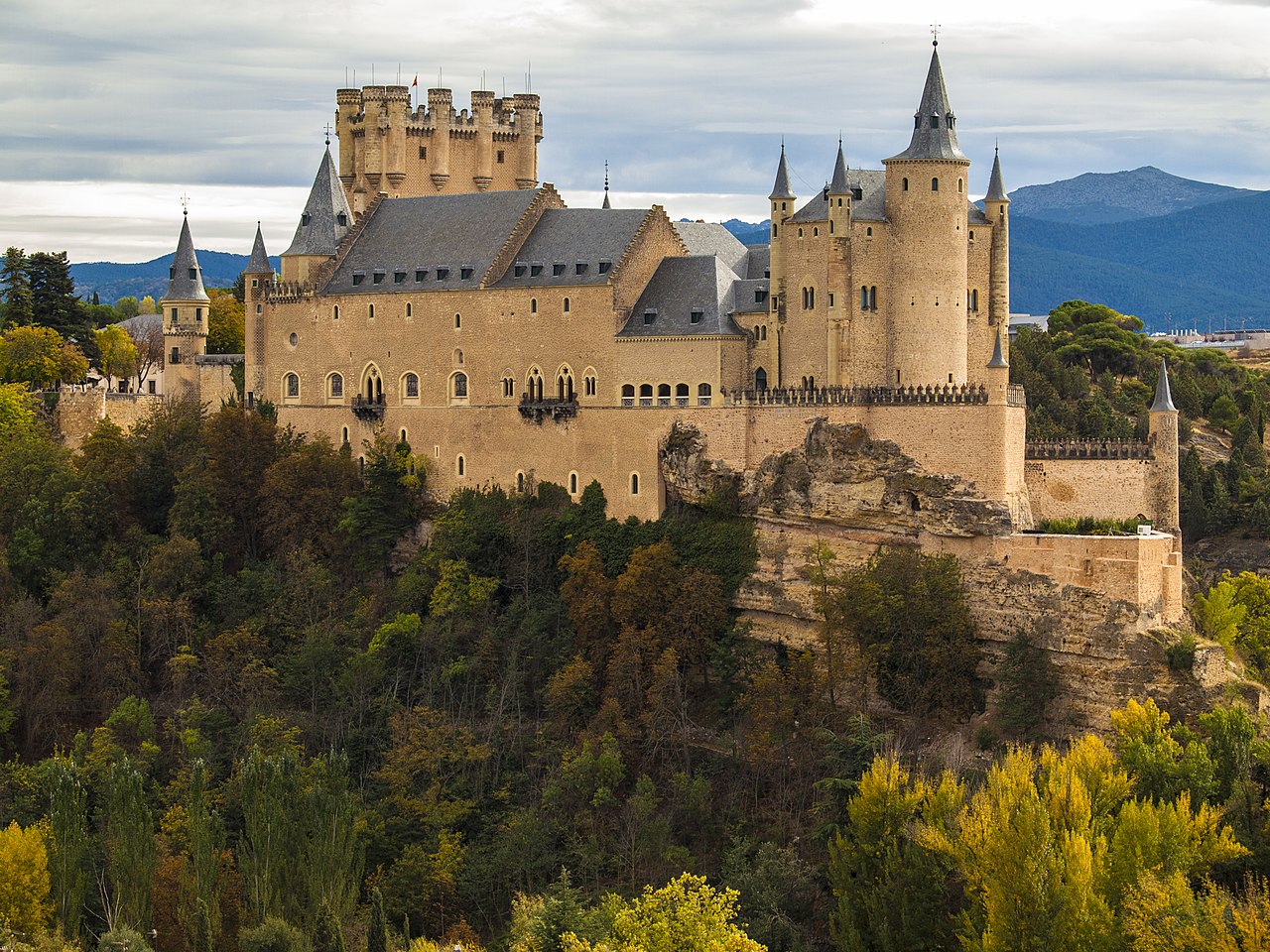
Castles have been the epitome of power, wealth, and grandeur for centuries, with a history dating back to the 9th century. From the imposing stone structures of Europe to the intricate wooden fortresses of Japan, castles have played a pivotal role in shaping the course of human history. With over 30,000 castles in Europe alone, these medieval strongholds have been the subject of fascination and debate among historians, architects, and enthusiasts alike. The construction of castles required an enormous amount of resources, with some estimates suggesting that the building of Windsor Castle, for example, required over 3,000 workers and 100,000 tons of stone. Despite their grandeur, castles have also been the site of numerous sieges, battles, and controversies, including the infamous Siege of Jerusalem in 1099. As we look to the future, it's clear that castles will continue to captivate our imagination, with many being restored and repurposed as museums, hotels, and cultural centers, such as the Neuschwanstein Castle in Germany, which attracts over 1.5 million visitors annually. But what does the future hold for these ancient structures, and how will they be preserved for generations to come?
🏰 Introduction to Castles: The Epicenters of Power and Intrigue
Castles have long been a source of fascination, with their imposing structures and rich histories. As private fortified residences of lords and nobles, castles played a crucial role in medieval society, serving as centers of power, administration, and defense. The concept of a castle has evolved over time, with various types of structures being referred to as castles, including hill forts and 19th- and 20th-century homes built to resemble castles. To understand the significance of castles, it is essential to explore their architecture, history, and cultural significance.
📚 History of Castles: Evolution and Development
The history of castles dates back to the Middle Ages, when they were built predominantly by the nobility or royalty and by military orders. During this period, castles took on various forms, with features such as curtain walls, arrowslits, and portcullises becoming commonplace. The use of the term 'castle' has varied over time, with some structures, such as palaces and villas, being distinguished from castles due to their primary purpose being for pleasance rather than defense. For more information on the history of castles, see Castle History.
🏗️ Architecture of Castles: Design and Construction
The architecture of castles is a testament to the ingenuity and skill of medieval builders. Castles were designed to be fortified structures, with features such as moats, battlements, and gatehouses providing defense against potential attackers. The design of castles also reflected the social status of their owners, with larger and more elaborate castles indicating greater wealth and power. To learn more about the architecture of castles, visit Castle Architecture. The construction of castles required significant resources, including building materials and labor.
👑 The Role of Castles in Medieval Society: Power and Politics
In medieval society, castles played a vital role as centers of power and administration. As the private fortified residences of lords and nobles, castles served as the seats of feudal power, with the lord or noble exercising control over the surrounding manor or fiefdom. The role of castles in medieval society was not limited to defense; they also played a significant part in the administration of justice, with the lord or noble serving as the ultimate authority in disputes and law enforcement. For more information on the role of castles in medieval society, see Medieval Castles.
🏹 Defense and Siege: The Military Significance of Castles
The military significance of castles cannot be overstated. As fortified structures, castles provided a secure base for military campaigns and served as a deterrent to potential attackers. The design of castles, with features such as curtain walls and arrowslits, was intended to withstand siege warfare, with the goal of protecting the occupants and preventing the castle from being breached. To learn more about the military significance of castles, visit Castle Warfare. The use of castles in military campaigns was a key factor in the outcome of many battles, including the Crusades and the Hundred Years' War.
🔍 The Cultural Significance of Castles: Symbolism and Legacy
Castles have a profound cultural significance, symbolizing power, wealth, and status. The legacy of castles can be seen in the many myths and legends surrounding these structures, with stories of knights, dragons, and magic captivating audiences for centuries. The cultural significance of castles is also reflected in their depiction in art, literature, and film, with castles often serving as the backdrop for epic stories and adventures. For more information on the cultural significance of castles, see Castle Culture.
👻 The Romanticization of Castles: Myth and Legend
The romanticization of castles has led to a proliferation of myths and legends surrounding these structures. Many castles are said to be haunted by ghosts or other supernatural entities, with stories of paranormal activity and unexplained phenomena adding to the mystique of these structures. The romanticization of castles has also led to the creation of fantasy worlds, with castles serving as the inspiration for many fantasy literature and fantasy film settings. To learn more about the romanticization of castles, visit Romantic Castles.
📸 Castles in Modern Times: Preservation and Tourism
In modern times, castles have become popular tourist destinations, with many structures being preserved and restored for their historical and cultural significance. The preservation of castles is a complex process, requiring significant resources and expertise to maintain the integrity of these structures. To learn more about the preservation of castles, see Castle Preservation. The tourism industry has also played a significant role in the preservation of castles, with many structures being opened to the public and offering guided tours and other educational programs.
👥 The People Behind the Castles: Lords, Nobles, and Architects
The people behind the castles, including lords, nobles, and architects, played a crucial role in the design, construction, and maintenance of these structures. The lord or noble who owned the castle was responsible for its upkeep and defense, with the architect or builder responsible for its design and construction. To learn more about the people behind the castles, visit Castle People. The relationship between the lord or noble and the architect or builder was often complex, with the two parties working together to create a structure that reflected the social status and power of the owner.
📊 The Economics of Castle Building: Cost and Investment
The economics of castle building was a significant factor in the construction of these structures. The cost of building a castle was substantial, with the price of building materials and labor being major expenses. The investment in a castle was often seen as a way to demonstrate wealth and power, with the size and complexity of the structure reflecting the status of the owner. For more information on the economics of castle building, see Castle Economics. The economic benefits of castle building were not limited to the owner, with the construction of a castle often providing employment and stimulating local economies.
🌍 Castles Around the World: A Global Perspective
Castles can be found around the world, with many structures being built in Europe, Asia, and other regions. The design and construction of castles varied depending on the region, with local materials and techniques being used to create unique and distinctive structures. To learn more about castles around the world, visit Castles Around the World. The global perspective on castles offers a fascinating insight into the cultural and historical significance of these structures, with many castles serving as a symbol of national identity and pride.
🔮 The Future of Castles: Restoration and Reimagining
The future of castles is uncertain, with many structures facing challenges related to preservation and restoration. The restoration of castles is a complex process, requiring significant resources and expertise to maintain the integrity of these structures. To learn more about the future of castles, see Future of Castles. The use of new technologies and materials offers a potential solution to the challenges facing castle preservation, with many experts exploring innovative ways to restore and reimagine these structures for future generations.
Key Facts
- Year
- 900
- Origin
- Europe
- Category
- History, Architecture, Culture
- Type
- Historical Structure
Frequently Asked Questions
What is the definition of a castle?
A castle is a type of fortified structure built during the Middle Ages predominantly by the nobility or royalty and by military orders. The definition of a castle has varied over time, but it is generally considered to be the private fortified residence of a lord or noble. For more information, see Castle Definition. Castles are distinct from other types of structures, such as palaces and villas, which were built primarily for pleasance rather than defense.
What were the main features of a medieval castle?
The main features of a medieval castle included curtain walls, arrowslits, and portcullises. These features were designed to provide defense against potential attackers and to protect the occupants of the castle. For more information, see Medieval Castle Features. The design of castles varied over time, with different regions and cultures developing unique and distinctive features.
What was the role of castles in medieval society?
Castles played a vital role in medieval society, serving as centers of power and administration. The lord or noble who owned the castle exercised control over the surrounding manor or fiefdom, with the castle serving as the seat of feudal power. For more information, see Medieval Castles. The role of castles in medieval society was not limited to defense; they also played a significant part in the administration of justice and the economy.
How have castles been preserved and restored?
The preservation and restoration of castles is a complex process, requiring significant resources and expertise to maintain the integrity of these structures. Many castles have been preserved and restored for their historical and cultural significance, with the goal of maintaining their original character and appearance. For more information, see Castle Preservation. The use of new technologies and materials offers a potential solution to the challenges facing castle preservation, with many experts exploring innovative ways to restore and reimagine these structures for future generations.
What is the cultural significance of castles?
Castles have a profound cultural significance, symbolizing power, wealth, and status. The legacy of castles can be seen in the many myths and legends surrounding these structures, with stories of knights, dragons, and magic captivating audiences for centuries. For more information, see Castle Culture. The cultural significance of castles is also reflected in their depiction in art, literature, and film, with castles often serving as the backdrop for epic stories and adventures.
How have castles been used in modern times?
In modern times, castles have been used for a variety of purposes, including as tourist destinations, museums, and event venues. Many castles have been preserved and restored for their historical and cultural significance, with the goal of maintaining their original character and appearance. For more information, see Modern Castle Uses. The use of castles in modern times offers a unique opportunity to experience and learn about these structures, with many castles providing guided tours and other educational programs.
What is the future of castles?
The future of castles is uncertain, with many structures facing challenges related to preservation and restoration. The restoration of castles is a complex process, requiring significant resources and expertise to maintain the integrity of these structures. For more information, see Future of Castles. The use of new technologies and materials offers a potential solution to the challenges facing castle preservation, with many experts exploring innovative ways to restore and reimagine these structures for future generations.