
Contents
- 🌟 Introduction to Career Planning
- 💼 Understanding Career Management
- 📈 Setting Career Goals
- 🔍 Exploring Career Options
- 📊 Creating a Career Development Plan
- 👥 Building Professional Networks
- 💻 Navigating the Digital Job Market
- 🤝 Managing Career Transitions
- 📊 Evaluating Career Progress
- 🚀 Future-Proofing Your Career
- Frequently Asked Questions
- Related Topics
Overview
Career planning is a multifaceted and ongoing process that involves setting goals, identifying strengths and weaknesses, and exploring career options. According to a report by the World Economic Forum, by 2025, 50% of the global workforce will need to be reskilled. The rise of automation and AI has accelerated the need for workers to develop skills that are complementary to technology, such as creativity, critical thinking, and emotional intelligence. A study by McKinsey found that workers who engage in lifelong learning are more likely to remain employable and achieve career advancement. However, career planning is not without its challenges, including the pressure to constantly upskill, the uncertainty of job security, and the need to balance personal and professional goals. As the job market continues to evolve, it is essential for individuals to take an active and proactive approach to career planning, staying adaptable and open to new opportunities and challenges. The concept of 'ikigai' - a Japanese term that roughly translates to 'reason for being' - has gained popularity as a framework for career planning, emphasizing the importance of finding a career that aligns with one's values, passions, and strengths.
🌟 Introduction to Career Planning
Effective career planning is crucial in today's fast-paced and ever-changing work environment. It involves setting clear goals, identifying opportunities, and developing strategies to achieve success. As noted by Career Management experts, career management is the combination of structured planning and the active management choice of one's own professional career. By taking a proactive approach to career planning, individuals can increase their chances of achieving their desired outcomes and staying ahead of the curve. For more information on getting started with career planning, visit Personal Development resources. Additionally, exploring Professional Coaching can provide valuable guidance and support.
💼 Understanding Career Management
Career management is a deliberate and ongoing process that requires individuals to be adaptable and proactive. It involves the use of adaptive or planned strategies to align with an individual's personal career interests or orientation, as well as the application of successive tactics to maintain and advance that career. As discussed in Career Development theories, understanding one's strengths, weaknesses, and career aspirations is essential for effective career management. By leveraging Self-Assessment tools and techniques, individuals can gain a deeper understanding of their career goals and develop a tailored plan to achieve them. Furthermore, staying up-to-date with the latest Industry Trends can help individuals stay competitive in their chosen field.
📈 Setting Career Goals
Setting clear and achievable career goals is a critical component of career planning. It involves identifying what you want to achieve in your career and developing a roadmap to get there. As outlined in Goal Setting strategies, setting SMART (Specific, Measurable, Achievable, Relevant, and Time-bound) goals can help individuals stay focused and motivated. By exploring Career Options and researching different career paths, individuals can make informed decisions about their career trajectory. Moreover, seeking guidance from Career Counseling professionals can provide valuable insights and support. For example, the Career Quiz can help individuals identify potential career paths based on their interests and skills.
🔍 Exploring Career Options
Exploring career options is an essential part of career planning. It involves researching different career paths, identifying job requirements, and determining the skills and qualifications needed to succeed. As discussed in Job Search strategies, networking and building relationships with professionals in your desired field can provide valuable insights and job opportunities. By utilizing Job Search Platforms and attending Career Fairs, individuals can connect with potential employers and learn about new career opportunities. Additionally, developing a strong Personal Brand can help individuals stand out in a competitive job market. For instance, creating a professional LinkedIn Profile can help individuals showcase their skills and experience to potential employers.
📊 Creating a Career Development Plan
Creating a career development plan is a critical step in achieving career success. It involves identifying areas for improvement, developing new skills, and creating a roadmap for career advancement. As outlined in Professional Development plans, setting clear goals and objectives can help individuals stay focused and motivated. By leveraging Training and Development opportunities, individuals can enhance their skills and knowledge and stay competitive in their chosen field. Furthermore, seeking feedback from Mentors and Peers can provide valuable insights and guidance. For example, participating in Industry Conferences can provide opportunities for networking and learning about the latest developments in the field.
👥 Building Professional Networks
Building professional networks is a vital component of career planning. It involves connecting with professionals in your desired field, building relationships, and staying informed about job opportunities and industry trends. As discussed in Networking strategies, attending Industry Events and joining Professional Associations can provide valuable opportunities for networking and career advancement. By utilizing Social Media platforms, individuals can connect with professionals and stay up-to-date with the latest industry news and trends. Additionally, developing a strong Elevator Pitch can help individuals effectively communicate their skills and experience to potential employers. For instance, creating a professional Twitter Profile can help individuals connect with industry leaders and stay informed about the latest developments in the field.
🤝 Managing Career Transitions
Managing career transitions can be challenging, but with the right strategies and support, individuals can navigate these changes with confidence. It involves identifying new career opportunities, developing new skills, and creating a roadmap for career advancement. As discussed in Career Transition strategies, seeking guidance from Career Coaches and Mentors can provide valuable insights and support. By utilizing Career Assessment Tools and Job Search Platforms, individuals can identify new career opportunities and develop a tailored plan to achieve their goals. Additionally, developing a strong Resilience can help individuals cope with the challenges and uncertainties of career transition. For instance, practicing Mindfulness and Self-Care can help individuals manage stress and stay focused during times of change.
📊 Evaluating Career Progress
Evaluating career progress is an essential part of career planning. It involves assessing your achievements, identifying areas for improvement, and creating a roadmap for future career advancement. As outlined in Career Evaluation strategies, setting clear goals and objectives can help individuals stay focused and motivated. By utilizing Performance Management tools and techniques, individuals can assess their career progress and identify areas for improvement. Furthermore, seeking feedback from Peers and Mentors can provide valuable insights and guidance. For example, participating in 360-Degree Feedback can help individuals gain a deeper understanding of their strengths and weaknesses and develop a tailored plan to achieve their career goals.
🚀 Future-Proofing Your Career
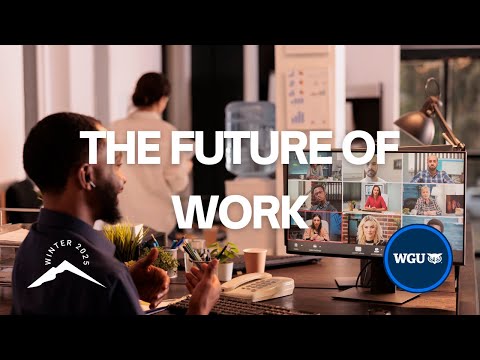
Future-proofing your career involves staying ahead of the curve and anticipating the skills and qualifications that will be in demand in the future. It involves developing a range of skills, including Digital Skills, Data Analysis, and Communication skills. As discussed in Future of Work trends, staying up-to-date with the latest industry trends and developments can help individuals stay competitive in a rapidly changing job market. By leveraging Lifelong Learning opportunities and Professional Development resources, individuals can enhance their skills and knowledge and stay ahead of the curve. Additionally, developing a strong Personal Brand can help individuals stand out in a competitive job market and increase their chances of achieving their career goals.
Key Facts
- Year
- 2022
- Origin
- Ancient Greece, with the concept of 'eudaimonia' - a state of being that encompasses happiness, fulfillment, and flourishing
- Category
- Personal Development
- Type
- Concept
Frequently Asked Questions
What is career planning and why is it important?
Career planning is the process of setting clear goals and developing a roadmap to achieve them. It is essential for achieving career success and staying ahead of the curve in a rapidly changing job market. By taking a proactive approach to career planning, individuals can increase their chances of achieving their desired outcomes and staying competitive in their chosen field. For more information on career planning, visit Career Planning resources. Additionally, exploring Personal Development resources can provide valuable guidance and support.
How do I create a career development plan?
Creating a career development plan involves identifying areas for improvement, developing new skills, and creating a roadmap for career advancement. As outlined in Professional Development plans, setting clear goals and objectives can help individuals stay focused and motivated. By leveraging Training and Development opportunities, individuals can enhance their skills and knowledge and stay competitive in their chosen field. Furthermore, seeking feedback from Mentors and Peers can provide valuable insights and guidance. For example, participating in Industry Conferences can provide opportunities for networking and learning about the latest developments in the field.
What are the most in-demand skills in the job market?
The most in-demand skills in the job market vary depending on the industry and profession. However, some of the most sought-after skills include Digital Skills, Data Analysis, and Communication skills. As discussed in Future of Work trends, staying up-to-date with the latest industry trends and developments can help individuals stay competitive in a rapidly changing job market. By leveraging Lifelong Learning opportunities and Professional Development resources, individuals can enhance their skills and knowledge and stay ahead of the curve. Additionally, developing a strong Personal Brand can help individuals stand out in a competitive job market and increase their chances of achieving their career goals.
How do I build a professional network?
Building a professional network involves connecting with professionals in your desired field, building relationships, and staying informed about job opportunities and industry trends. As discussed in Networking strategies, attending Industry Events and joining Professional Associations can provide valuable opportunities for networking and career advancement. By utilizing Social Media platforms, individuals can connect with professionals and stay up-to-date with the latest industry news and trends. Additionally, developing a strong Elevator Pitch can help individuals effectively communicate their skills and experience to potential employers. For instance, creating a professional Twitter Profile can help individuals connect with industry leaders and stay informed about the latest developments in the field.
What are the benefits of career coaching?
Career coaching provides individuals with the guidance and support they need to achieve their career goals. As discussed in Career Coaching strategies, working with a career coach can help individuals identify their strengths and weaknesses, develop a tailored career plan, and stay focused and motivated. By leveraging Career Assessment Tools and Job Search Platforms, individuals can identify new career opportunities and develop a tailored plan to achieve their goals. Furthermore, seeking feedback from Peers and Mentors can provide valuable insights and guidance. For example, participating in 360-Degree Feedback can help individuals gain a deeper understanding of their strengths and weaknesses and develop a tailored plan to achieve their career goals.
How do I evaluate my career progress?
Evaluating career progress involves assessing your achievements, identifying areas for improvement, and creating a roadmap for future career advancement. As outlined in Career Evaluation strategies, setting clear goals and objectives can help individuals stay focused and motivated. By utilizing Performance Management tools and techniques, individuals can assess their career progress and identify areas for improvement. Furthermore, seeking feedback from Peers and Mentors can provide valuable insights and guidance. For example, participating in 360-Degree Feedback can help individuals gain a deeper understanding of their strengths and weaknesses and develop a tailored plan to achieve their career goals.
What is the future of work and how can I prepare for it?
The future of work is rapidly changing, with technological advancements and shifting industry trends. To prepare for the future of work, individuals can develop a range of skills, including Digital Skills, Data Analysis, and Communication skills. As discussed in Future of Work trends, staying up-to-date with the latest industry trends and developments can help individuals stay competitive in a rapidly changing job market. By leveraging Lifelong Learning opportunities and Professional Development resources, individuals can enhance their skills and knowledge and stay ahead of the curve. Additionally, developing a strong Personal Brand can help individuals stand out in a competitive job market and increase their chances of achieving their career goals.