
Contents
- 🏕️ Introduction to Campgrounds
- 🌳 Types of Campgrounds
- 🏞️ Campsite and Camping Pitch
- 📚 History of Campgrounds
- 🚐 Camping Facilities and Amenities
- 👥 Campground Management and Maintenance
- 🚫 Environmental Impact of Campgrounds
- 📊 Economic Benefits of Campgrounds
- 💡 Safety and Security at Campgrounds
- 👍 Conclusion and Future of Campgrounds
- Frequently Asked Questions
- Related Topics
Overview
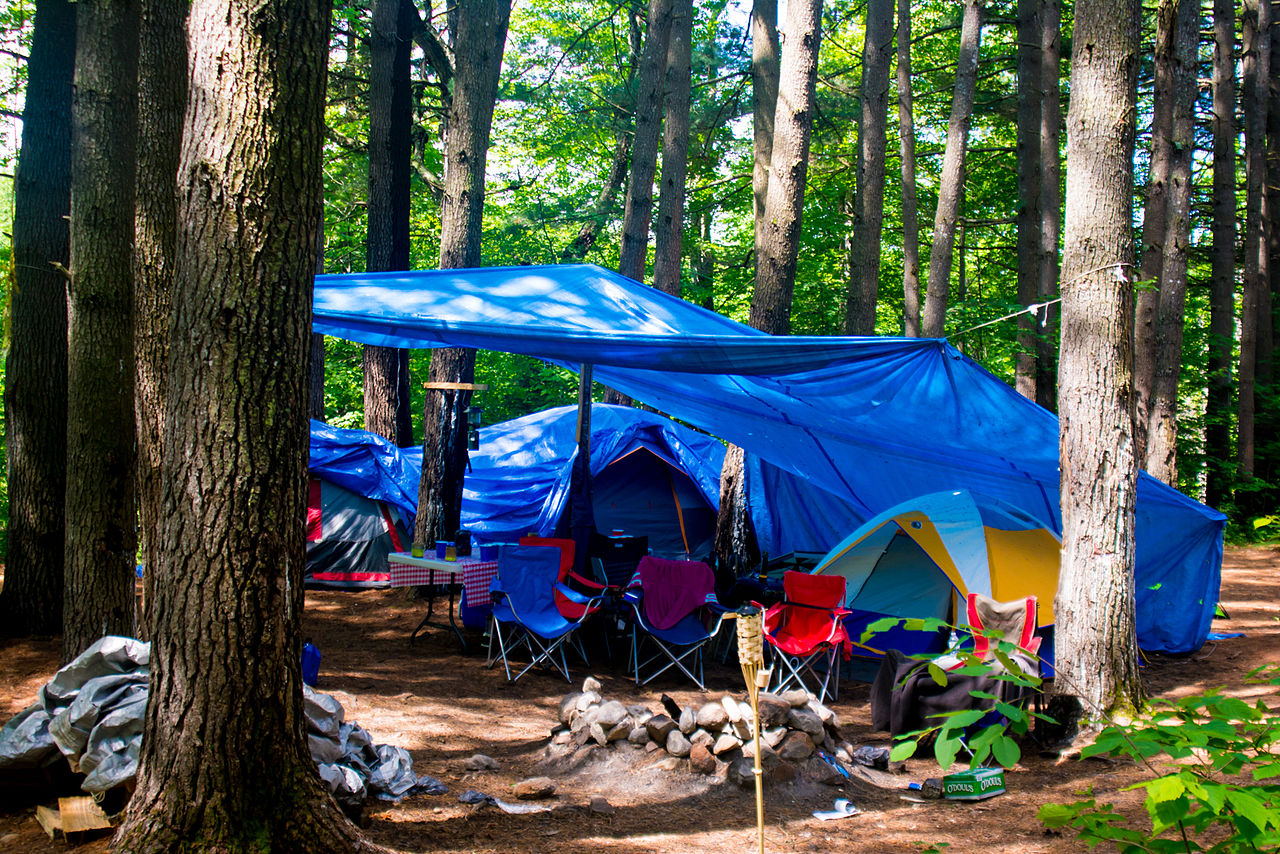
A campground is an outdoor recreational facility that provides temporary accommodations for campers, typically in the form of tents, trailers, or RVs. The concept of campgrounds dates back to the early 20th century, with the first national park campgrounds established in the United States in the 1910s. Today, campgrounds can be found in national parks, forests, and private lands, offering a range of amenities such as picnic tables, grills, and restrooms. According to the National Park Service, there are over 3,500 public campgrounds in the United States, with a total of over 150,000 campsites. The vibe of a campground can vary greatly, from the tranquil atmosphere of a remote wilderness site to the bustling activity of a family-friendly resort. As the demand for outdoor recreation continues to grow, campgrounds are evolving to meet the needs of modern campers, with many now offering amenities such as Wi-Fi, laundry facilities, and even glamping options.
🏕️ Introduction to Campgrounds
Campgrounds are designated areas where people can pitch their tents, park their RVs, or rent cabins to enjoy the great outdoors. The term 'campground' is often used interchangeably with Camping and Campsite, although there are some differences in usage between British English and American English. In general, a campground refers to a larger area that contains multiple campsites, while a campsite is an individual plot of land where a person or group can set up their tent or RV. For more information on camping, visit the Recreation page.
🌳 Types of Campgrounds
There are several types of campgrounds, including public, private, and National Park campgrounds. Public campgrounds are usually operated by government agencies and offer basic amenities such as restrooms, potable water, and picnic tables. Private campgrounds, on the other hand, are owned and operated by individuals or companies and may offer more luxurious amenities such as swimming pools, restaurants, and convenience stores. National Forest campgrounds are another type of public campground that offers a more rustic camping experience.
🏞️ Campsite and Camping Pitch
A campsite and camping pitch are often used to describe the same thing - a designated area where a person or group can set up their tent or RV. However, in British English, a camping pitch refers to a specific plot of land that is allocated to a camper, while in American English, the term 'campsite' is more commonly used. Regardless of the terminology, a campsite or camping pitch typically includes a flat area of land, access to potable water, and a picnic table and fire ring. For more information on camping terminology, visit the Camping Glossary page.
📚 History of Campgrounds
The history of campgrounds dates back to the early 20th century, when the first public campgrounds were established in the United States. The concept of camping as a recreational activity gained popularity in the 1950s and 1960s, with the establishment of National Parks and the development of modern camping equipment. Today, campgrounds can be found all over the world, ranging from basic sites with minimal amenities to luxury resorts with full hookups and recreational facilities. To learn more about the history of camping, visit the History of Camping page.
🚐 Camping Facilities and Amenities
Camping facilities and amenities can vary greatly depending on the type of campground and its location. Basic campgrounds may offer only restrooms and potable water, while more developed campgrounds may include amenities such as swimming pools, restaurants, and convenience stores. Some campgrounds also offer recreational activities such as hiking, biking, and fishing, while others may have RV Hookups and Dump Stations for RVers. For more information on camping facilities, visit the Camping Facilities page.
👥 Campground Management and Maintenance
Campground management and maintenance are critical to ensuring a safe and enjoyable camping experience. Campground managers are responsible for overseeing the daily operations of the campground, including maintenance, customer service, and Campground Rules enforcement. Campground maintenance includes tasks such as trash removal, restroom cleaning, and trail maintenance. To learn more about campground management, visit the Campground Management page.
🚫 Environmental Impact of Campgrounds
The environmental impact of campgrounds is a growing concern, as the increasing popularity of camping has led to issues such as Deforestation, Water Pollution, and Wildlife Habitat Destruction. To mitigate these impacts, many campgrounds are adopting sustainable practices such as recycling, composting, and using eco-friendly cleaning products. Campers can also do their part by following Leave No Trace principles and respecting the natural environment. For more information on environmental sustainability, visit the Sustainability page.
📊 Economic Benefits of Campgrounds
The economic benefits of campgrounds are significant, as camping is a major contributor to the tourism industry. Campgrounds generate revenue through camping fees, sales of camping equipment and supplies, and Tourism-related activities such as guided tours and outdoor adventures. In addition, campgrounds also create jobs and stimulate local economies. To learn more about the economic benefits of camping, visit the Economic Benefits of Camping page.
💡 Safety and Security at Campgrounds
Safety and security are top priorities at campgrounds, as campers are often in remote areas with limited access to emergency services. Campgrounds typically have rules and regulations in place to ensure camper safety, such as Campfire Safety guidelines and Wildlife Encounters protocols. Campers can also take steps to ensure their own safety, such as bringing a first aid kit, staying informed about weather conditions, and being aware of their surroundings. For more information on camping safety, visit the Camping Safety page.
👍 Conclusion and Future of Campgrounds
In conclusion, campgrounds offer a unique and enjoyable way to experience the great outdoors. Whether you're a seasoned camper or just starting out, there's a campground out there to suit your needs and preferences. As the popularity of camping continues to grow, it's essential to prioritize sustainable practices and environmental stewardship to ensure the long-term health of our natural resources. To learn more about camping and campgrounds, visit the Camping Resources page.
Key Facts
- Year
- 1910
- Origin
- United States
- Category
- Recreation
- Type
- Location
Frequently Asked Questions
What is the difference between a campsite and a camping pitch?
A campsite and a camping pitch are often used to describe the same thing - a designated area where a person or group can set up their tent or RV. However, in British English, a camping pitch refers to a specific plot of land that is allocated to a camper, while in American English, the term 'campsite' is more commonly used.
What are the basic amenities that a campground should have?
Basic campgrounds should have restrooms, potable water, and picnic tables. More developed campgrounds may include amenities such as swimming pools, restaurants, and convenience stores.
How can campers mitigate the environmental impact of camping?
Campers can mitigate the environmental impact of camping by following Leave No Trace principles, respecting the natural environment, and adopting sustainable practices such as recycling and composting.
What are the economic benefits of campgrounds?
The economic benefits of campgrounds are significant, as camping is a major contributor to the tourism industry. Campgrounds generate revenue through camping fees, sales of camping equipment and supplies, and tourism-related activities.
What are the safety and security concerns at campgrounds?
Safety and security are top priorities at campgrounds, as campers are often in remote areas with limited access to emergency services. Campgrounds typically have rules and regulations in place to ensure camper safety, and campers can take steps to ensure their own safety by bringing a first aid kit, staying informed about weather conditions, and being aware of their surroundings.