
Contents
- 📜 Introduction to the Berne Convention
- 🌎 History of the Berne Convention
- 📊 Key Provisions of the Berne Convention
- 👥 Countries Bound by the Berne Convention
- 📈 Impact of the Berne Convention on Global Copyright Law
- 🤝 Relationship Between the Berne Convention and Other Intellectual Property Treaties
- 📊 Economic Benefits of the Berne Convention
- 🚫 Challenges and Criticisms of the Berne Convention
- 🌐 The Berne Convention in the Digital Age
- 📚 Conclusion and Future Directions
- Frequently Asked Questions
- Related Topics
Overview
The Berne Convention, established in 1886, is an international treaty that sets the global standard for copyright protection. It provides authors, musicians, poets, painters, and other creators with the means to control how their works are used, by whom, and on what terms, as outlined in the Copyright Law framework. The Berne Convention has been updated many times since its inception, with the goal of adapting to changing technological and societal landscapes, such as the rise of Digital Rights Management. The treaty has been influential in shaping national copyright laws, including the United States Copyright Law and the European Union Copyright Law. The Berne Convention's impact can be seen in the widespread adoption of its principles, including the concept of Authors' Rights. As a result, the Berne Convention has become a cornerstone of Intellectual Property Law, providing a framework for the protection of creative works.
🌎 History of the Berne Convention
The history of the Berne Convention dates back to 1886, when ten European countries gathered in Bern, Switzerland to establish a uniform system for protecting literary and artistic works. The treaty was drafted and adopted during this assembly, with the goal of creating a border-crossing system for copyright protection. Since then, the Berne Convention has undergone numerous updates and revisions, including the Berne Convention Revision of 1908 and the Rome Convention of 1961. These updates have helped to adapt the treaty to changing technological and societal landscapes, such as the rise of Sound Recording Copyright. The Berne Convention has also been influenced by other intellectual property treaties, including the Paris Convention and the TRIPS Agreement. As a result, the Berne Convention has become a key component of the global Intellectual Property System.
📊 Key Provisions of the Berne Convention
The Berne Convention contains several key provisions that provide a framework for copyright protection. These provisions include the establishment of a minimum term of copyright protection, which is currently set at the life of the author plus 50 years, as outlined in the Copyright Term section. The treaty also provides for the protection of certain moral rights, such as the right of attribution and the right of integrity, as discussed in the Moral Rights section. Additionally, the Berne Convention establishes a system for the international recognition of copyright, allowing authors to protect their works in multiple countries, as facilitated by the International Copyright Registration process. The treaty also provides for the protection of certain types of works, such as Literary Works and Musical Compositions. As a result, the Berne Convention has become a key component of the global Copyright System.
👥 Countries Bound by the Berne Convention
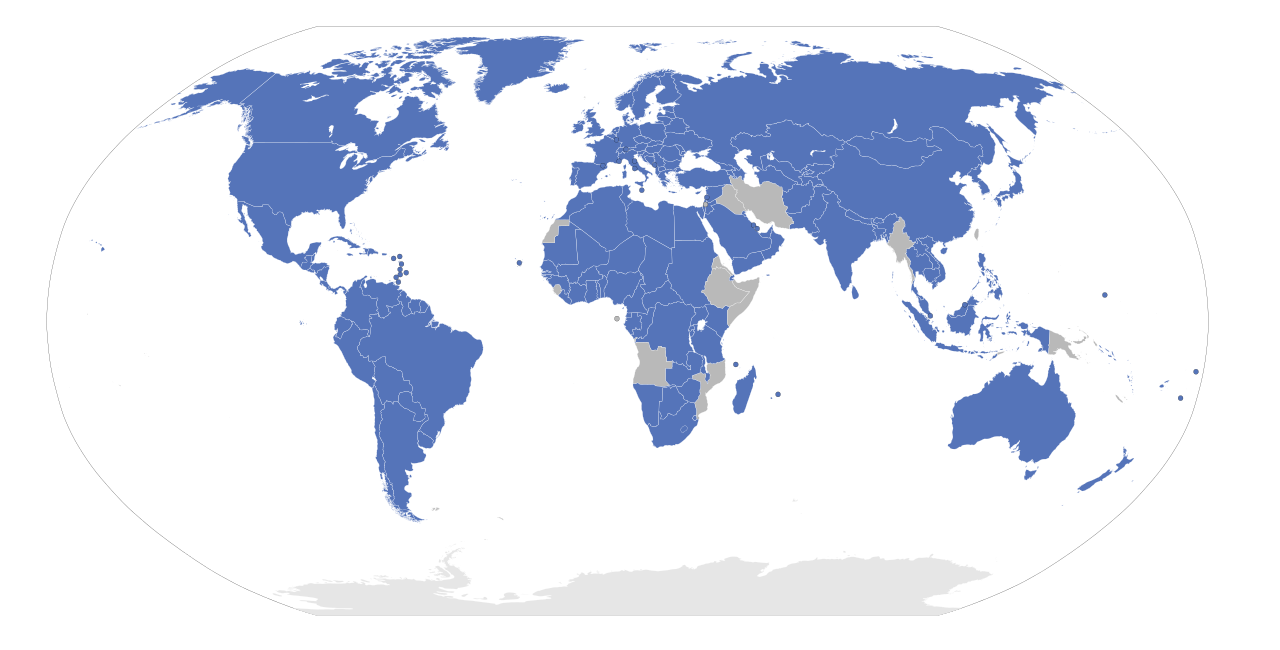
The Berne Convention has been adopted by over 170 countries, making it one of the most widely adopted international treaties in the world. Countries bound by the Berne Convention are required to provide a minimum level of copyright protection, as outlined in the Minimum Copyright Protection section. This includes the protection of literary and artistic works, as well as the recognition of certain moral rights. The treaty also provides for the international recognition of copyright, allowing authors to protect their works in multiple countries, as facilitated by the Berne Convention Membership process. As a result, the Berne Convention has become a key component of the global Intellectual Property Framework. The Berne Convention's membership includes countries from all regions of the world, including United States, European Union, and China.
📈 Impact of the Berne Convention on Global Copyright Law
The Berne Convention has had a significant impact on global copyright law, providing a framework for the protection of creative works. The treaty has been influential in shaping national copyright laws, including the United States Copyright Law and the European Union Copyright Law. The Berne Convention's principles, including the concept of Authors' Rights, have been widely adopted, and the treaty has become a cornerstone of Intellectual Property Law. The Berne Convention has also facilitated international cooperation on copyright issues, including the establishment of the World Intellectual Property Organization. As a result, the Berne Convention has become a key component of the global Copyright System. The treaty's impact can be seen in the widespread adoption of its principles, including the concept of Minimum Copyright Protection.
🤝 Relationship Between the Berne Convention and Other Intellectual Property Treaties
The Berne Convention is related to other intellectual property treaties, including the Paris Convention and the TRIPS Agreement. These treaties provide a framework for the protection of intellectual property rights, including patents, trademarks, and copyrights. The Berne Convention is also related to other international agreements, such as the WIPO Copyright Treaty and the WIPO Performances and Phonograms Treaty. These agreements provide a framework for the protection of copyright and related rights in the digital environment, as outlined in the Digital Copyright section. As a result, the Berne Convention has become a key component of the global Intellectual Property System. The treaty's relationships with other intellectual property treaties have helped to establish a comprehensive framework for the protection of creative works.
📊 Economic Benefits of the Berne Convention
The Berne Convention has significant economic benefits, providing a framework for the protection of creative works. The treaty has been influential in shaping national copyright laws, including the United States Copyright Law and the European Union Copyright Law. The Berne Convention's principles, including the concept of Authors' Rights, have been widely adopted, and the treaty has become a cornerstone of Intellectual Property Law. The Berne Convention has also facilitated international cooperation on copyright issues, including the establishment of the World Intellectual Property Organization. As a result, the Berne Convention has become a key component of the global Copyright System. The treaty's economic benefits can be seen in the significant revenue generated by the creative industries, including the Music Industry and the Film Industry.
🚫 Challenges and Criticisms of the Berne Convention
Despite its significance, the Berne Convention has faced several challenges and criticisms. One of the main challenges is the difficulty of enforcing copyright protection in the digital environment, as outlined in the Digital Piracy section. The treaty has also been criticized for its limited provisions for the protection of certain types of works, such as Traditional Knowledge. Additionally, the Berne Convention has been criticized for its failure to provide adequate protection for the rights of authors and creators, as discussed in the Authors' Rights section. As a result, the Berne Convention has been the subject of several revisions and updates, including the Berne Convention Revision of 1908 and the Rome Convention of 1961. The treaty's challenges and criticisms have highlighted the need for ongoing reform and adaptation to changing technological and societal landscapes.
🌐 The Berne Convention in the Digital Age
The Berne Convention has been adapted to the digital age, with the establishment of new international agreements and treaties. The WIPO Copyright Treaty and the WIPO Performances and Phonograms Treaty provide a framework for the protection of copyright and related rights in the digital environment, as outlined in the Digital Copyright section. These agreements have helped to establish a comprehensive framework for the protection of creative works in the digital age. The Berne Convention has also been influenced by other international agreements, such as the TRIPS Agreement and the European Union Copyright Directive. As a result, the Berne Convention has become a key component of the global Intellectual Property System. The treaty's adaptation to the digital age has highlighted the need for ongoing reform and adaptation to changing technological and societal landscapes.
📚 Conclusion and Future Directions
In conclusion, the Berne Convention is a significant international treaty that provides a framework for the protection of creative works. The treaty has been influential in shaping national copyright laws, including the United States Copyright Law and the European Union Copyright Law. The Berne Convention's principles, including the concept of Authors' Rights, have been widely adopted, and the treaty has become a cornerstone of Intellectual Property Law. As the global copyright landscape continues to evolve, the Berne Convention will likely remain a key component of the global Copyright System. The treaty's future directions will depend on its ability to adapt to changing technological and societal landscapes, including the rise of Artificial Intelligence and the Internet of Things.
Key Facts
- Year
- 1886
- Origin
- Berne, Switzerland
- Category
- Intellectual Property Law
- Type
- International Treaty
Frequently Asked Questions
What is the Berne Convention?
The Berne Convention is an international treaty that provides a framework for the protection of creative works, including literary and artistic works. The treaty was established in 1886 and has been updated many times since then. The Berne Convention provides authors, musicians, poets, painters, and other creators with the means to control how their works are used, by whom, and on what terms, as outlined in the Copyright Law framework. The treaty has been influential in shaping national copyright laws, including the United States Copyright Law and the European Union Copyright Law.
What are the key provisions of the Berne Convention?
The Berne Convention contains several key provisions that provide a framework for copyright protection. These provisions include the establishment of a minimum term of copyright protection, which is currently set at the life of the author plus 50 years, as outlined in the Copyright Term section. The treaty also provides for the protection of certain moral rights, such as the right of attribution and the right of integrity, as discussed in the Moral Rights section. Additionally, the Berne Convention establishes a system for the international recognition of copyright, allowing authors to protect their works in multiple countries, as facilitated by the International Copyright Registration process.
Which countries are bound by the Berne Convention?
The Berne Convention has been adopted by over 170 countries, making it one of the most widely adopted international treaties in the world. Countries bound by the Berne Convention are required to provide a minimum level of copyright protection, as outlined in the Minimum Copyright Protection section. This includes the protection of literary and artistic works, as well as the recognition of certain moral rights. The treaty also provides for the international recognition of copyright, allowing authors to protect their works in multiple countries, as facilitated by the Berne Convention Membership process.
What are the economic benefits of the Berne Convention?
The Berne Convention has significant economic benefits, providing a framework for the protection of creative works. The treaty has been influential in shaping national copyright laws, including the United States Copyright Law and the European Union Copyright Law. The Berne Convention's principles, including the concept of Authors' Rights, have been widely adopted, and the treaty has become a cornerstone of Intellectual Property Law. The Berne Convention has also facilitated international cooperation on copyright issues, including the establishment of the World Intellectual Property Organization.
What are the challenges and criticisms of the Berne Convention?
Despite its significance, the Berne Convention has faced several challenges and criticisms. One of the main challenges is the difficulty of enforcing copyright protection in the digital environment, as outlined in the Digital Piracy section. The treaty has also been criticized for its limited provisions for the protection of certain types of works, such as Traditional Knowledge. Additionally, the Berne Convention has been criticized for its failure to provide adequate protection for the rights of authors and creators, as discussed in the Authors' Rights section.