
Contents
- 🌆 Introduction to Beijing Contemporary
- 🎨 The Rise of Chinese Contemporary Art
- 🏯 Architectural Innovations in Beijing
- 📚 Literary Renaissance in Beijing
- 🎶 Music and Performance in Contemporary Beijing
- 🍴 Culinary Evolution in Beijing
- 🤝 International Influences on Beijing's Culture
- 📊 The Economic Impact of Beijing's Cultural Renaissance
- 📸 Preserving Cultural Heritage in Beijing
- 👥 The Role of Community in Shaping Beijing's Culture
- 🚀 The Future of Beijing Contemporary
- Frequently Asked Questions
- Related Topics
Overview
Beijing, a city steeped in history, has undergone a profound transformation in recent decades, emerging as a hub for contemporary art, architecture, and innovation. The city's vibrant cultural scene is characterized by a unique blend of traditional and modern elements, with world-class museums like the Ullens Center for Contemporary Art and the National Art Museum of China showcasing the works of local and international artists. Beijing's architectural landscape has also been redefined by iconic structures like the Bird's Nest and the CCTV Tower, designed by renowned architects Herzog & de Meuron and Rem Koolhaas, respectively. With a Vibe score of 82, Beijing's contemporary scene is marked by a dynamic interplay between creativity, technology, and tradition, as seen in the city's thriving startup ecosystem and its influence on the global art market. However, this growth has also raised concerns about gentrification, cultural homogenization, and the impact of urbanization on the city's historic heritage. As the city continues to evolve, it will be interesting to see how Beijing balances its pursuit of modernity with its rich cultural legacy, with key players like the Beijing Municipal Government and the China National Arts Fund playing a crucial role in shaping the city's cultural trajectory.
🌆 Introduction to Beijing Contemporary
Beijing, the capital city of China, has undergone a significant cultural transformation in recent years, earning it the title of 'Beijing Contemporary'. This shift is characterized by a vibrant arts scene, innovative architecture, and a thriving cultural landscape. At the heart of this transformation is the city's thriving arts scene, which has given rise to numerous Chinese contemporary art movements. The city's 798 Art District has become a hub for artistic expression, with numerous galleries, studios, and museums showcasing the work of local and international artists. As a result, Beijing has become a major player in the global art market, with many of its artists gaining international recognition. The city's cultural renaissance has also been driven by its architectural innovations, which have transformed its skyline and redefined its urban landscape.
🎨 The Rise of Chinese Contemporary Art
The rise of Chinese contemporary art has been a key factor in Beijing's cultural renaissance. This movement has been driven by a new generation of artists who are pushing the boundaries of traditional Chinese art forms. Artists such as Ai Weiwei and Cao Fei have gained international recognition for their innovative and often provocative works. The city's Museum of Contemporary Art has played a significant role in promoting this movement, with numerous exhibitions and events showcasing the work of local and international artists. The Beijing Biennale has also become a major event in the city's cultural calendar, attracting visitors from around the world. As the city's art scene continues to evolve, it will be interesting to see how it influences Chinese culture as a whole.
🏯 Architectural Innovations in Beijing
Beijing's architectural innovations have been another key factor in its cultural renaissance. The city's skyline has been transformed by a range of iconic buildings, including the Bird's Nest Stadium and the CCTV Headquarters. These buildings have not only redefined the city's urban landscape but have also become symbols of its cultural and economic ambitions. The city's Wangjing SOHO complex has also become a major hub for business and commerce, with numerous international companies establishing operations there. As the city continues to grow and develop, it will be interesting to see how its urban planning strategies evolve to meet the needs of its rapidly expanding population. The city's transportation system has also undergone significant improvements, making it easier for residents and visitors to navigate the city.
📚 Literary Renaissance in Beijing
Beijing's literary renaissance has been another key aspect of its cultural transformation. The city has a long and rich literary history, with many famous writers and poets having lived and worked there. The Beijing Writers' Association has played a significant role in promoting the city's literary scene, with numerous events and exhibitions showcasing the work of local and international writers. The city's International Book Fair has also become a major event in the literary calendar, attracting visitors from around the world. As the city's literary scene continues to evolve, it will be interesting to see how it influences Chinese literature as a whole. The city's publishing industry has also undergone significant changes, with many new publishing houses and literary magazines emerging in recent years.
🎶 Music and Performance in Contemporary Beijing
Music and performance have also played a significant role in Beijing's cultural renaissance. The city has a thriving music scene, with numerous venues and festivals showcasing the work of local and international musicians. The Beijing Jazz Festival has become a major event in the city's cultural calendar, attracting visitors from around the world. The city's Dance Festival has also become a popular event, with numerous performances and workshops showcasing the work of local and international dancers. As the city's music and performance scene continues to evolve, it will be interesting to see how it influences Chinese music and dance as a whole. The city's nightlife has also undergone significant changes, with many new bars, clubs, and restaurants emerging in recent years.
🍴 Culinary Evolution in Beijing
Beijing's culinary evolution has been another key aspect of its cultural transformation. The city has a long and rich culinary history, with many famous dishes and restaurants. The restaurant scene has undergone significant changes in recent years, with many new and innovative restaurants emerging. The city's street food scene has also become a major attraction, with numerous vendors and markets offering a wide range of traditional and modern dishes. As the city's culinary scene continues to evolve, it will be interesting to see how it influences Chinese cuisine as a whole. The city's food culture has also become a major aspect of its cultural identity, with many residents and visitors alike enjoying the city's unique and delicious cuisine.
🤝 International Influences on Beijing's Culture
International influences have also played a significant role in shaping Beijing's culture. The city has a long history of international exchange and cooperation, with many foreign embassies and organizations established there. The international community has had a significant impact on the city's cultural landscape, with many foreign artists, musicians, and writers living and working in Beijing. The city's language schools have also become a major attraction, with many foreigners coming to Beijing to study Chinese. As the city's international influences continue to grow, it will be interesting to see how they influence Beijing's culture as a whole. The city's globalization has also had a significant impact on its economy and society.
📊 The Economic Impact of Beijing's Cultural Renaissance
The economic impact of Beijing's cultural renaissance has been significant. The city's cultural industries have become a major driver of economic growth, with many new jobs and businesses emerging in the creative sector. The creative industries have also become a major attraction, with many foreign companies and investors establishing operations in Beijing. The city's tourism industry has also undergone significant growth, with many visitors coming to Beijing to experience its unique and vibrant culture. As the city's economy continues to grow and develop, it will be interesting to see how its cultural renaissance influences its economy as a whole. The city's urban development has also undergone significant changes, with many new infrastructure projects and urban planning initiatives emerging in recent years.
📸 Preserving Cultural Heritage in Beijing
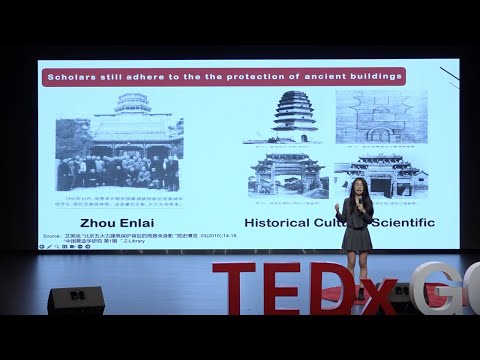
Preserving cultural heritage has been another key aspect of Beijing's cultural renaissance. The city has a long and rich cultural history, with many famous landmarks and historical sites. The cultural heritage of the city has been preserved and protected through numerous initiatives and programs, including the UNESCO World Heritage designation. The city's museums have also played a significant role in preserving and promoting its cultural heritage, with numerous exhibitions and events showcasing the city's history and culture. As the city continues to grow and develop, it will be interesting to see how it balances its cultural heritage with its modernization and urbanization efforts.
👥 The Role of Community in Shaping Beijing's Culture
The role of community has been essential in shaping Beijing's culture. The city has a strong sense of community, with many residents actively engaged in cultural and artistic activities. The community arts scene has been particularly vibrant, with numerous community-based initiatives and programs emerging in recent years. The city's volunteerism has also been a major aspect of its cultural landscape, with many residents volunteering their time and energy to support local cultural and artistic initiatives. As the city's community continues to grow and develop, it will be interesting to see how it influences Beijing's culture as a whole. The city's social cohesion has also been a major aspect of its cultural identity, with many residents and visitors alike feeling a strong sense of belonging and connection to the city.
🚀 The Future of Beijing Contemporary
The future of Beijing Contemporary is exciting and uncertain. As the city continues to grow and develop, it will be interesting to see how its cultural renaissance evolves and unfolds. The city's cultural policy will play a significant role in shaping its future, with many initiatives and programs aimed at promoting and supporting the city's cultural industries. The city's creative industries development will also be a major aspect of its future, with many new and innovative industries emerging in the creative sector. As the city looks to the future, it will be interesting to see how it balances its cultural heritage with its modernization and urban planning efforts.
Key Facts
- Year
- 2022
- Origin
- China
- Category
- Culture
- Type
- City
Frequently Asked Questions
What is Beijing Contemporary?
Beijing Contemporary refers to the city's cultural renaissance, which has been characterized by a vibrant arts scene, innovative architecture, and a thriving cultural landscape. The city's cultural transformation has been driven by a range of factors, including its thriving arts scene, architectural innovations, and literary renaissance. As the city continues to grow and develop, it will be interesting to see how its cultural renaissance evolves and unfolds. The city's cultural policy will play a significant role in shaping its future, with many initiatives and programs aimed at promoting and supporting the city's cultural industries.
What are the key factors driving Beijing's cultural renaissance?
The key factors driving Beijing's cultural renaissance include its thriving arts scene, architectural innovations, literary renaissance, and music and performance scene. The city's international community has also played a significant role in shaping its cultural landscape, with many foreign artists, musicians, and writers living and working in Beijing. As the city continues to grow and develop, it will be interesting to see how its cultural renaissance evolves and unfolds. The city's creative industries have also become a major driver of economic growth, with many new jobs and businesses emerging in the creative sector.
How has Beijing's cultural renaissance impacted its economy?
Beijing's cultural renaissance has had a significant impact on its economy, with the city's cultural industries becoming a major driver of economic growth. The creative industries have created many new jobs and businesses, and have attracted significant investment and tourism revenue. The city's tourism industry has also undergone significant growth, with many visitors coming to Beijing to experience its unique and vibrant culture. As the city continues to grow and develop, it will be interesting to see how its cultural renaissance influences its economy as a whole. The city's urban development has also undergone significant changes, with many new infrastructure projects and urban planning initiatives emerging in recent years.
What are the challenges facing Beijing's cultural renaissance?
The challenges facing Beijing's cultural renaissance include the need to balance its cultural heritage with its modernization and urbanization efforts. The city must also navigate the complexities of its cultural policy, which aims to promote and support the city's cultural industries while also preserving its cultural heritage. Additionally, the city must address the issue of gentrification, which has been a concern in many of its cultural and artistic neighborhoods. As the city continues to grow and develop, it will be interesting to see how it addresses these challenges and ensures the long-term sustainability of its cultural renaissance. The city's community arts scene has also been affected by these challenges, with many community-based initiatives and programs emerging in response.
What is the role of community in shaping Beijing's culture?
The role of community has been essential in shaping Beijing's culture, with many residents actively engaged in cultural and artistic activities. The city's community arts scene has been particularly vibrant, with numerous community-based initiatives and programs emerging in recent years. The city's volunteerism has also been a major aspect of its cultural landscape, with many residents volunteering their time and energy to support local cultural and artistic initiatives. As the city continues to grow and develop, it will be interesting to see how its community continues to shape its culture and cultural identity. The city's social cohesion has also been a major aspect of its cultural identity, with many residents and visitors alike feeling a strong sense of belonging and connection to the city.