
Contents
Overview
A balanced diet gives your body all the nutrients it needs to function correctly by providing the right proportion of minerals, vitamins, macronutrients, and optimal calories for your individual makeup. Rather than focusing on individual 'superfoods,' a balanced diet is fundamentally about eating a wide variety of nutritious, whole foods in healthy proportions. The specific nutrient needs vary based on age, sex, life stage (such as pregnancy or breastfeeding), and physical activity level, which is why dietary guidelines are personalized through Dietary Reference Values (DRVs) or Nutrient Reference Values (NRVs). The core principle is variety—getting a good mix of foods, colors, and macronutrients ensures your body receives all the vitamins and minerals necessary for optimal functioning.
⚖️ Core Components & Proportions
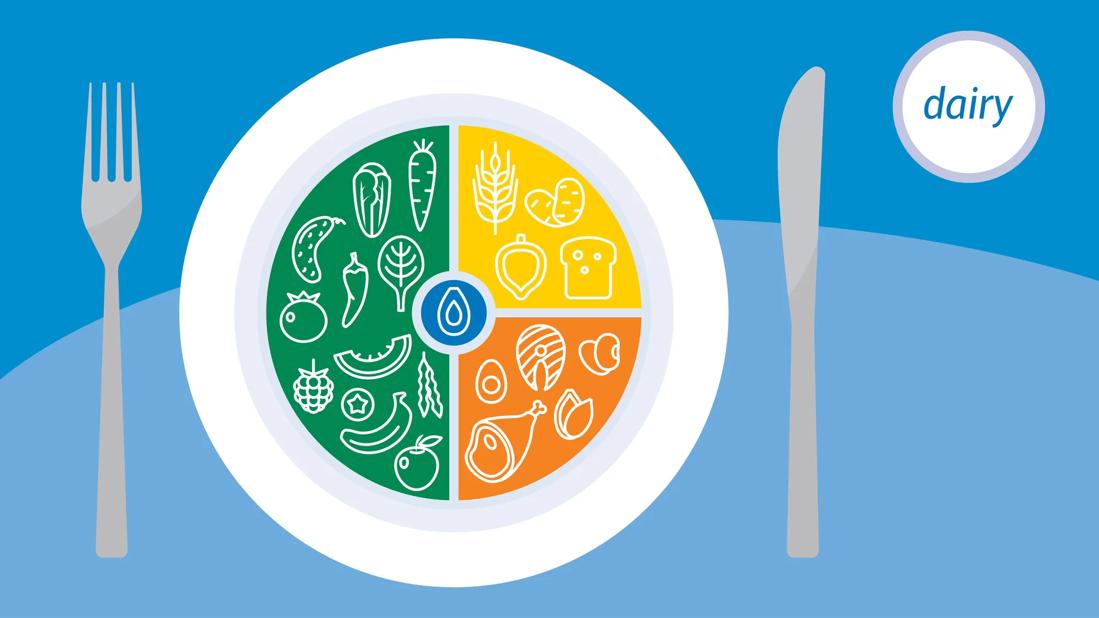
A balanced diet typically consists of six core food elements in specific proportions. Fruits and vegetables should make up approximately 50% of your plate, emphasizing variety and color to maximize nutrient intake. Protein should comprise about 25% of your plate (roughly 5.5 ounces daily), including lean red meats, seafood, poultry, eggs, nuts, beans, lentils, and seeds. Grains should account for the remaining 25%, with at least half being whole grains rather than refined grains, as whole grains retain fiber and nutrients. Dairy products are essential, with recommendations of about 3 cups daily, which can include milk, yogurt, cheese, or fortified alternatives like soy milk for those who are lactose intolerant or follow plant-based diets. Additionally, a balanced diet includes healthy fats and oils in moderation, while minimizing energy-dense, nutrient-poor processed foods typically high in added salt, sugar, and unhealthy fats.
💪 Why It Matters for Health
Eating a balanced diet is associated with dramatically better health outcomes and is one of the most powerful preventive health measures available. If everyone globally could eat a balanced diet, the risk of heart disease, type 2 diabetes, and certain cancers would drop significantly, while deficiency-related anemias from inadequate iron and vitamin B12 intake would become rare. A balanced diet could prevent approximately one in five deaths worldwide—a greater reduction in mortality compared to any other single risk factor, even smoking. Without balanced nutrition, your body becomes more prone to disease, infection, fatigue, and poor performance. Children who don't receive adequate healthy foods face growth and developmental problems, poor academic performance, frequent infections, and may develop unhealthy eating habits that persist into adulthood. A balanced diet supplies the specific nutrients your body needs to work effectively, including vitamins, minerals, antioxidants, carbohydrates, fiber, protein, and healthy fats.
🍽️ How to Build Your Balanced Plate
Building a balanced diet starts with choosing nutrient-dense whole foods that provide maximum nutritional value relative to calories consumed. Make vegetables and fruits the foundation of your meals, aiming for at least 5 portions daily with emphasis on variety and color. Base your meals on higher-fiber starchy foods like potatoes, bread, rice, pasta, and other whole grains, ensuring at least half your grain intake comes from whole grains rather than refined versions. Include some form of protein at each meal—whether from beans, pulses, fish, eggs, meat, nuts, or plant-based alternatives—and incorporate dairy or dairy alternatives like fortified soy milk. Choose unsaturated oils and spreads in small amounts, and drink plenty of fluids, aiming for at least 6 to 8 glasses of water daily. The key is consistency and variety rather than perfection; a balanced diet isn't about 'balancing out' indulgences with healthy foods, but rather following an eating plan that consistently covers all food groups in healthy proportions.
Key Facts
- Year
- Ongoing
- Origin
- Global health and nutrition science
- Category
- nutrition
- Type
- concept
Frequently Asked Questions
Is a balanced diet the same for everyone?
No. While the core principles of variety and proportion apply universally, specific nutrient needs vary based on age, sex, life stage (pregnancy, breastfeeding), and physical activity level. A child's balanced diet differs from an adult's, and an athlete's needs differ from a sedentary person's. This is why dietary guidelines use Dietary Reference Values (DRVs) or Nutrient Reference Values (NRVs) tailored to different populations.
Can I eat a balanced diet if I'm vegan or vegetarian?
Absolutely. A balanced diet can be achieved through various eating patterns, including vegan and vegetarian approaches. Plant-based protein sources like beans, lentils, tofu, nuts, and seeds provide essential nutrients. The key is ensuring you get adequate protein, vitamin B12 (through fortified foods or supplements), iron, and other nutrients typically associated with animal products. Variety remains essential.
What's the difference between a balanced diet and a 'diet' for weight loss?
A balanced diet is a sustainable, long-term eating pattern designed to provide all necessary nutrients and maintain health. Weight loss diets are often temporary and may restrict certain foods or calories. A balanced diet can support healthy weight management when calorie intake is balanced with energy expenditure, but it's fundamentally about nourishing your body rather than restriction.
How much can a balanced diet actually prevent disease?
Research shows that a balanced diet could prevent approximately one in five deaths globally—a greater reduction in mortality than any other single risk factor, including smoking. It significantly reduces risks of heart disease, type 2 diabetes, certain cancers, and deficiency-related conditions. However, a balanced diet works best alongside other healthy lifestyle factors like physical activity, stress management, and adequate sleep.
Is it expensive to eat a balanced diet?
A balanced diet doesn't have to be expensive. Nutrient-dense whole foods like beans, lentils, seasonal vegetables, frozen fruits, eggs, and whole grains are often affordable. The key is choosing whole foods over processed options and buying what's in season. Many resources offer budget-friendly recipes and meal planning strategies to help people achieve nutritional balance without breaking the bank.
References
- wcrf.org — /about-us/news-and-blogs/what-is-a-balanced-diet/
- webmd.com — /diet/what-is-a-balanced-diet
- health.clevelandclinic.org — /balanced-diet
- harmonyhealthcareli.org — /healthy-balanced-diet/
- healthline.com — /health/balanced-diet
- who.int — /news-room/fact-sheets/detail/healthy-diet
- nutrition.org.uk — /creating-a-healthy-diet/a-healthy-balanced-diet/
- nhs.uk — /live-well/eat-well/how-to-eat-a-balanced-diet/eating-a-balanced-diet/
- nutritionsource.hsph.harvard.edu — /healthy-eating-plate/