
Contents
- 🌾 Introduction to Ancient Greek Agriculture
- 📊 Economic Significance of Agriculture in Ancient Greece
- 🌻 Crops and Farming Practices in Ancient Greece
- 🐄 Animal Husbandry in Ancient Greece
- 🏛️ Role of Agriculture in Ancient Greek Society
- 🚜 Agricultural Tools and Technology in Ancient Greece
- 📚 Literary and Philosophical Perspectives on Agriculture
- 👥 Impact of Agriculture on Ancient Greek Economy and Trade
- 🌟 Influence of Ancient Greek Agriculture on Modern Practices
- 📊 Controversies and Debates in Ancient Greek Agricultural History
- Frequently Asked Questions
- Related Topics
Overview
Agriculture in ancient Greece, which flourished from around 8th century BCE to the 4th century CE, was the backbone of the economy and a significant aspect of daily life. The Greeks practiced polyculture, growing a variety of crops including wheat, barley, and olives, and raised livestock such as cattle, goats, and sheep. The philosopher Aristotle noted that agriculture was a key component of the Greek economy, with the majority of the population engaged in farming. However, the practice of agriculture was not without its challenges, including soil degradation and the impact of warfare on agricultural production. The influence of Greek agriculture can still be seen today, with the Mediterranean diet, which emphasizes fruits, vegetables, and whole grains, being a direct descendant of ancient Greek culinary traditions. With a vibe score of 8, the cultural significance of agriculture in ancient Greece continues to be felt, with ongoing debates about the role of agriculture in shaping the course of Western civilization.
🌾 Introduction to Ancient Greek Agriculture
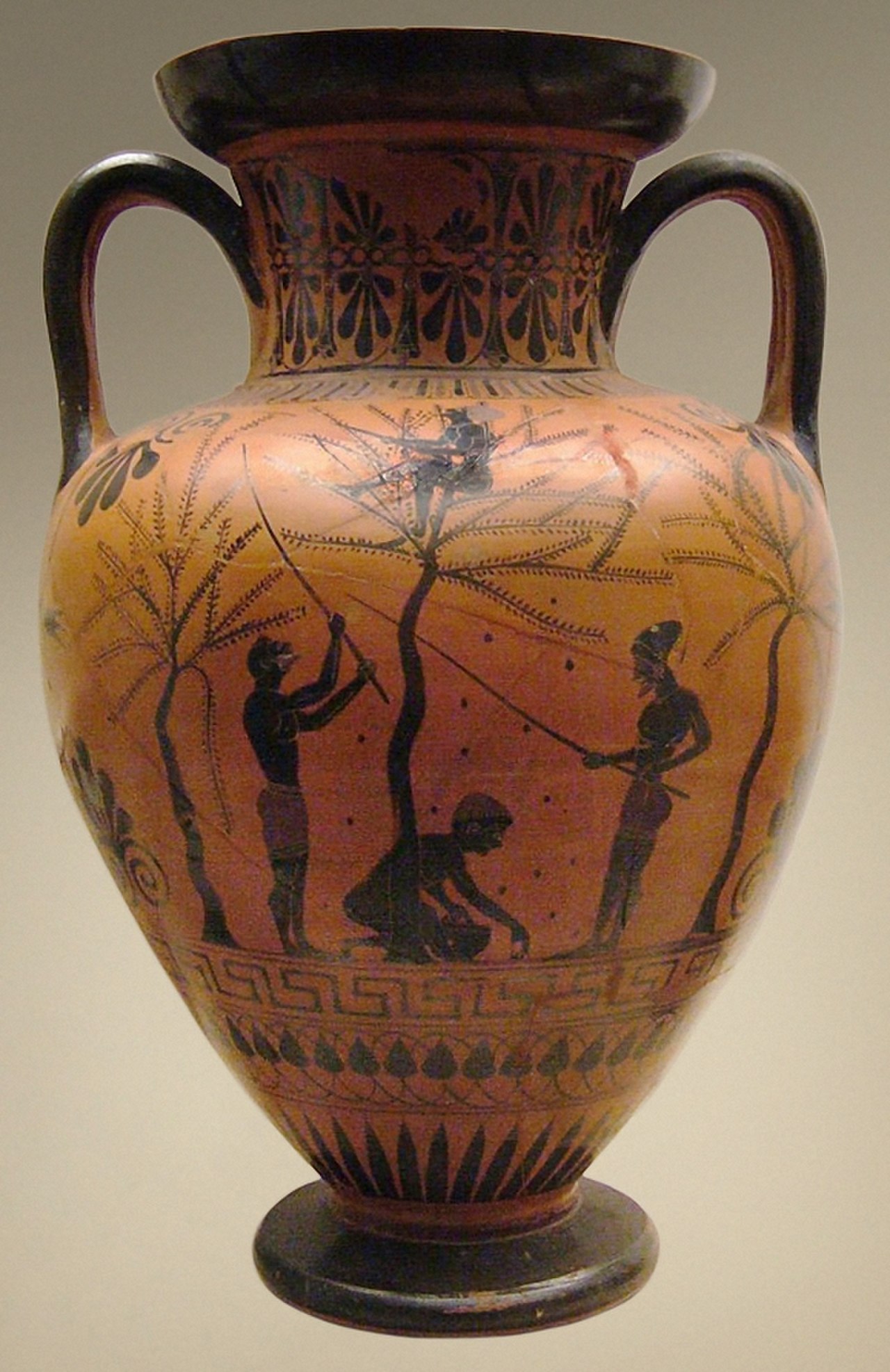
Agriculture was the backbone of the ancient Greek economy, with nearly 80% of the population engaged in farming and related activities. The significance of agriculture in ancient Greece can be understood by exploring the various aspects of this practice, including the types of crops grown, farming techniques, and the role of agriculture in society. For instance, the ancient Greeks grew crops like olive trees, grapes, and wheat, which were not only a source of food but also played a crucial role in the production of olive oil and wine. The economy of ancient Greece was largely dependent on agriculture, with many city-states relying heavily on agricultural production and trade, as discussed in Ancient Greek Economy.
📊 Economic Significance of Agriculture in Ancient Greece
The economic significance of agriculture in ancient Greece cannot be overstated. With the majority of the population involved in farming, agriculture was the primary source of income and employment for many ancient Greeks. The production and trade of agricultural products like olive oil, wine, and grains were essential components of the ancient Greek economy. The agora, or marketplace, was a central hub for the exchange of goods, including agricultural products, and played a vital role in the economic life of ancient Greece. As noted in Ancient Greek Trade, the trade of agricultural products helped to establish and maintain relationships between city-states and contributed to the growth of the ancient Greek economy.
🌻 Crops and Farming Practices in Ancient Greece
The ancient Greeks grew a variety of crops, including wheat, barley, and grapes. They also cultivated olive trees, which were a staple crop in ancient Greece. The cultivation of these crops required careful planning and attention to the soil, climate, and irrigation. Ancient Greek farmers used techniques like crop rotation and fertilization to maintain soil fertility and ensure a bountiful harvest. The use of irrigation systems and farming tools also facilitated agricultural production in ancient Greece. For more information on ancient Greek farming practices, see Ancient Greek Farming.
🐄 Animal Husbandry in Ancient Greece
Animal husbandry was another important aspect of ancient Greek agriculture. The ancient Greeks raised animals like cattle, sheep, and goats for their meat, milk, and wool. The breeding and care of these animals required specialized knowledge and skills, and many ancient Greek farmers relied on the expertise of experienced animal handlers. The use of animals in agriculture also helped to maintain soil fertility and facilitated the production of manure, which was used as fertilizer. As discussed in Animal Husbandry, the practice of raising animals for food and other products has a long history and continues to play a significant role in modern agriculture.
🏛️ Role of Agriculture in Ancient Greek Society
Agriculture played a significant role in ancient Greek society, with many social and cultural practices centered around farming and the production of food. The ancient Greeks believed that agriculture was a noble pursuit, and farmers were often held in high esteem. The Homeric Hymns and other ancient Greek texts reflect the importance of agriculture in ancient Greek culture and society. The production and consumption of food were also closely tied to social and cultural practices, such as the symposium, where food and drink were central to social gatherings and celebrations. For more information on the cultural significance of agriculture in ancient Greece, see Ancient Greek Culture.
🚜 Agricultural Tools and Technology in Ancient Greece
The ancient Greeks used a variety of tools and technologies to facilitate agricultural production. The plow, for example, was a crucial tool for tilling the soil and preparing it for planting. The use of irrigation systems and farming tools also helped to increase crop yields and reduce labor. The ancient Greeks also developed sophisticated systems for storing and processing agricultural products, such as grain silos and wine presses. As noted in Ancient Greek Technology, the development of these tools and technologies reflects the ingenuity and resourcefulness of ancient Greek farmers and engineers.
📚 Literary and Philosophical Perspectives on Agriculture
Agriculture was also a topic of interest in ancient Greek literature and philosophy. The works of Xenophon and Aristotle contain discussions of agricultural practices and the role of agriculture in society. The ancient Greek concept of oikonomia, or household management, also emphasized the importance of agriculture in the management of the household and the economy. The literary and philosophical perspectives on agriculture in ancient Greece provide valuable insights into the cultural and social significance of farming and the production of food. For more information on the literary and philosophical perspectives on agriculture, see Ancient Greek Literature.
👥 Impact of Agriculture on Ancient Greek Economy and Trade
The impact of agriculture on the ancient Greek economy and trade was significant. The production and trade of agricultural products like olive oil, wine, and grains helped to establish and maintain relationships between city-states and contributed to the growth of the ancient Greek economy. The Delian League, for example, was a confederation of city-states that relied heavily on agricultural production and trade. The ancient Greeks also developed sophisticated systems for financing and managing agricultural production, such as the mortgage and the loan. As discussed in Ancient Greek Economy, the economy of ancient Greece was heavily dependent on agriculture and trade.
🌟 Influence of Ancient Greek Agriculture on Modern Practices
The influence of ancient Greek agriculture on modern practices is still evident today. The use of irrigation systems and farming tools, for example, is a direct descendant of ancient Greek innovations. The emphasis on sustainable agriculture and organic farming also reflects the ancient Greek concern for maintaining soil fertility and ensuring a bountiful harvest. The study of ancient Greek agriculture can provide valuable insights into the development of modern agricultural practices and the challenges of feeding a growing global population. For more information on the influence of ancient Greek agriculture on modern practices, see Modern Agriculture.
📊 Controversies and Debates in Ancient Greek Agricultural History
Despite its significance, the history of ancient Greek agriculture is not without controversy. Debates surrounding the role of slavery in ancient Greek agriculture, for example, have sparked intense discussion and debate among historians. The use of child labor in ancient Greek agriculture has also been the subject of controversy and debate. The study of ancient Greek agriculture requires a nuanced understanding of the social, cultural, and economic contexts in which farming and food production took place. As noted in Ancient Greek History, the history of ancient Greece is complex and multifaceted, and the study of agriculture is no exception.
Key Facts
- Year
- 500
- Origin
- Ancient Greece
- Category
- History of Agriculture
- Type
- Historical Agricultural Practice
Frequently Asked Questions
What was the significance of agriculture in ancient Greece?
Agriculture was the backbone of the ancient Greek economy, with nearly 80% of the population engaged in farming and related activities. The production and trade of agricultural products like olive oil, wine, and grains were essential components of the ancient Greek economy. The significance of agriculture in ancient Greece can be understood by exploring the various aspects of this practice, including the types of crops grown, farming techniques, and the role of agriculture in society. For more information, see Ancient Greek Agriculture.
What types of crops did the ancient Greeks grow?
The ancient Greeks grew a variety of crops, including wheat, barley, and grapes. They also cultivated olive trees, which were a staple crop in ancient Greece. The cultivation of these crops required careful planning and attention to the soil, climate, and irrigation. For more information on ancient Greek farming practices, see Ancient Greek Farming.
How did the ancient Greeks use animals in agriculture?
The ancient Greeks raised animals like cattle, sheep, and goats for their meat, milk, and wool. The breeding and care of these animals required specialized knowledge and skills, and many ancient Greek farmers relied on the expertise of experienced animal handlers. The use of animals in agriculture also helped to maintain soil fertility and facilitated the production of manure, which was used as fertilizer. For more information on animal husbandry in ancient Greece, see Animal Husbandry.
What was the role of agriculture in ancient Greek society?
Agriculture played a significant role in ancient Greek society, with many social and cultural practices centered around farming and the production of food. The ancient Greeks believed that agriculture was a noble pursuit, and farmers were often held in high esteem. The production and consumption of food were also closely tied to social and cultural practices, such as the symposium, where food and drink were central to social gatherings and celebrations. For more information on the cultural significance of agriculture in ancient Greece, see Ancient Greek Culture.
How did the ancient Greeks use technology in agriculture?
The ancient Greeks used a variety of tools and technologies to facilitate agricultural production. The plow, for example, was a crucial tool for tilling the soil and preparing it for planting. The use of irrigation systems and farming tools also helped to increase crop yields and reduce labor. The ancient Greeks also developed sophisticated systems for storing and processing agricultural products, such as grain silos and wine presses. For more information on ancient Greek technology, see Ancient Greek Technology.
What was the impact of agriculture on the ancient Greek economy and trade?
The impact of agriculture on the ancient Greek economy and trade was significant. The production and trade of agricultural products like olive oil, wine, and grains helped to establish and maintain relationships between city-states and contributed to the growth of the ancient Greek economy. The Delian League, for example, was a confederation of city-states that relied heavily on agricultural production and trade. For more information on the ancient Greek economy, see Ancient Greek Economy.
How did ancient Greek agriculture influence modern practices?
The influence of ancient Greek agriculture on modern practices is still evident today. The use of irrigation systems and farming tools, for example, is a direct descendant of ancient Greek innovations. The emphasis on sustainable agriculture and organic farming also reflects the ancient Greek concern for maintaining soil fertility and ensuring a bountiful harvest. For more information on the influence of ancient Greek agriculture on modern practices, see Modern Agriculture.