
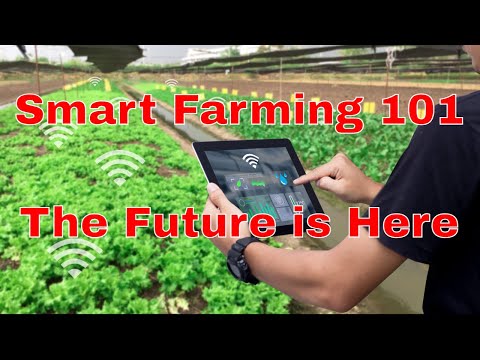
Contents
- 🌾 Introduction to Agricultural Software
- 📊 Farm Management Information Systems (FMIS)
- 🌐 Precision Agriculture and Technology
- 📈 Data-Driven Decision Making
- 🚜 Automation and Robotics in Farming
- 🌿 Crop Monitoring and Yield Prediction
- 📊 Financial Management and Accounting
- 🌐 Global Market Trends and Adoption
- 🤝 Collaboration and Integration
- 🚨 Challenges and Limitations
- 🔮 Future of Agricultural Software
- Frequently Asked Questions
- Related Topics
Overview
The agricultural industry has undergone significant transformations in recent years, driven by the adoption of Agricultural Software and Precision Agriculture technologies. These innovations have enabled farmers to optimize crop yields, reduce waste, and improve resource allocation. According to a report by Grand View Research, the global agricultural software market is expected to reach $4.8 billion by 2025, growing at a CAGR of 12.1%. This growth is driven by the increasing demand for Farm Management Information Systems (FMIS) and Precision Farming solutions. As the industry continues to evolve, it is essential to understand the key trends and technologies driving this revolution, including Artificial Intelligence in Agriculture and Internet of Things in Agriculture.
📊 Farm Management Information Systems (FMIS)
Farm Management Information Systems (FMIS) are a crucial component of Agricultural Software, enabling farmers to manage their operations more efficiently. These systems provide a range of tools and features, including Crop Monitoring, Yield Prediction, and Financial Management. By leveraging FMIS, farmers can optimize their crop yields, reduce costs, and improve their overall profitability. Companies like John Deere and Granular are leading the way in FMIS development, offering a range of solutions tailored to the needs of modern farmers. Additionally, Farm Accounting Software is also an essential tool for farmers to manage their financials, including Tax Planning and Financial Reporting.
🌐 Precision Agriculture and Technology
Precision Agriculture and Technology have revolutionized the way farmers manage their crops and resources. By leveraging GPS Technology, Drones in Agriculture, and Satellite Imaging, farmers can now collect and analyze vast amounts of data on their crops, soil, and weather conditions. This data can be used to optimize Irrigation Management, Fertilizer Application, and Pest Control, resulting in improved crop yields and reduced waste. Companies like Trimble and AGCO are at the forefront of Precision Agriculture innovation, offering a range of solutions that enable farmers to make data-driven decisions. Furthermore, Precision Farming is also being used to improve Soil Health and Water Conservation.
📈 Data-Driven Decision Making
Data-Driven Decision Making is a critical aspect of modern farming, and Agricultural Software plays a vital role in this process. By analyzing data on crop yields, soil conditions, and weather patterns, farmers can make informed decisions about Planting Schedules, Irrigation Schedules, and Harvest Planning. This approach enables farmers to optimize their operations, reduce costs, and improve their overall profitability. Companies like FarmLogs and Climate Corporation are leading the way in data-driven decision making, offering a range of solutions that enable farmers to analyze and act on their data. Moreover, Data Analytics in Agriculture is also being used to improve Supply Chain Management and Logistics.
🚜 Automation and Robotics in Farming
Automation and Robotics in Farming are transforming the way farmers manage their operations, from Planting and Seeding to Harvesting and Storage. By leveraging Autonomous Vehicles and Robotic Systems, farmers can optimize their workflows, reduce labor costs, and improve their overall efficiency. Companies like John Deere and New Holland Agriculture are at the forefront of automation and robotics innovation, offering a range of solutions that enable farmers to streamline their operations. Additionally, Agricultural Robots are also being used to improve Crop Inspection and Pest Control.
🌿 Crop Monitoring and Yield Prediction
Crop Monitoring and Yield Prediction are critical components of Agricultural Software, enabling farmers to optimize their crop yields and reduce waste. By leveraging Satellite Imaging and Drone Technology, farmers can collect and analyze data on their crops, including Growth Stages, Health Status, and Yield Potential. This data can be used to make informed decisions about Fertilizer Application, Pest Control, and Irrigation Management, resulting in improved crop yields and reduced waste. Companies like Planet Labs and DigitalGlobe are leading the way in crop monitoring and yield prediction, offering a range of solutions that enable farmers to optimize their crop management. Moreover, Precision Agriculture is also being used to improve Soil Conservation and Water Quality.
📊 Financial Management and Accounting
Financial Management and Accounting are essential components of Agricultural Software, enabling farmers to manage their finances and optimize their profitability. By leveraging Farm Accounting Software and Financial Management Tools, farmers can track their income and expenses, manage their cash flow, and make informed decisions about Investment Strategies and Risk Management. Companies like QuickBooks and Xero are leading the way in financial management and accounting, offering a range of solutions tailored to the needs of modern farmers. Additionally, Agricultural Lending and Farm Credit are also important aspects of financial management in agriculture.
🌐 Global Market Trends and Adoption
The global market for Agricultural Software is expected to reach $4.8 billion by 2025, growing at a CAGR of 12.1%. This growth is driven by the increasing demand for Precision Agriculture and Farm Management Information Systems (FMIS). The market is dominated by companies like John Deere, Trimble, and AGCO, which offer a range of solutions tailored to the needs of modern farmers. However, the market is also highly competitive, with new entrants and startups emerging to challenge the established players. As the market continues to evolve, it is essential to understand the key trends and technologies driving this growth, including Artificial Intelligence in Agriculture and Internet of Things in Agriculture.
🤝 Collaboration and Integration
Collaboration and Integration are critical components of Agricultural Software, enabling farmers to work with other stakeholders in the agricultural ecosystem. By leveraging Data Sharing and API Integration, farmers can share data with Agricultural Suppliers, Distributors, and Retailers, optimizing their supply chain and improving their overall efficiency. Companies like FarmLogs and Granular are leading the way in collaboration and integration, offering a range of solutions that enable farmers to work with other stakeholders in the agricultural ecosystem. Moreover, Blockchain in Agriculture is also being used to improve Supply Chain Transparency and Food Safety.
🚨 Challenges and Limitations
Despite the many benefits of Agricultural Software, there are also several challenges and limitations that must be addressed. These include Data Quality issues, Cybersecurity risks, and User Adoption challenges. Additionally, the high cost of Agricultural Software can be a barrier to adoption for many farmers, particularly small-scale and low-income farmers. To address these challenges, companies like John Deere and Trimble are investing in Research and Development, Training and Support, and Partnerships and Collaborations. Furthermore, Agricultural Extension Services are also playing a crucial role in promoting the adoption of Agricultural Software among farmers.
🔮 Future of Agricultural Software
The future of Agricultural Software is exciting and rapidly evolving, with new technologies and innovations emerging all the time. As the industry continues to grow and mature, we can expect to see even more sophisticated solutions that enable farmers to optimize their operations, reduce waste, and improve their overall profitability. Some of the key trends and technologies that will shape the future of Agricultural Software include Artificial Intelligence in Agriculture, Internet of Things in Agriculture, and Blockchain in Agriculture. As the industry continues to evolve, it is essential to stay informed about the latest developments and innovations in Agricultural Software.
Key Facts
- Year
- 2022
- Origin
- United States
- Category
- Agriculture and Technology
- Type
- Technology
Frequently Asked Questions
What is Agricultural Software?
Agricultural Software refers to a range of digital tools and solutions that enable farmers to manage their operations more efficiently. These solutions include Farm Management Information Systems (FMIS), Precision Agriculture technologies, and Farm Accounting Software. By leveraging these solutions, farmers can optimize their crop yields, reduce waste, and improve their overall profitability.
What are the benefits of Agricultural Software?
The benefits of Agricultural Software include improved crop yields, reduced waste, and increased profitability. Additionally, Agricultural Software can help farmers to optimize their workflows, reduce labor costs, and improve their overall efficiency. By leveraging Data Analytics in Agriculture, farmers can also make informed decisions about Planting Schedules, Irrigation Schedules, and Harvest Planning.
What are the key trends and technologies driving the growth of Agricultural Software?
The key trends and technologies driving the growth of Agricultural Software include Precision Agriculture, Artificial Intelligence in Agriculture, and Internet of Things in Agriculture. Additionally, Blockchain in Agriculture is also being used to improve Supply Chain Transparency and Food Safety.
What are the challenges and limitations of Agricultural Software?
The challenges and limitations of Agricultural Software include Data Quality issues, Cybersecurity risks, and User Adoption challenges. Additionally, the high cost of Agricultural Software can be a barrier to adoption for many farmers, particularly small-scale and low-income farmers.
What is the future of Agricultural Software?
The future of Agricultural Software is exciting and rapidly evolving, with new technologies and innovations emerging all the time. As the industry continues to grow and mature, we can expect to see even more sophisticated solutions that enable farmers to optimize their operations, reduce waste, and improve their overall profitability.
How can farmers get started with Agricultural Software?
Farmers can get started with Agricultural Software by researching and evaluating different solutions, considering their specific needs and requirements. They can also consult with Agricultural Extension Services and other experts in the field to determine the best solution for their farm.
What is the role of Artificial Intelligence in Agricultural Software?
Artificial Intelligence in Agriculture plays a critical role in Agricultural Software, enabling farmers to analyze and act on vast amounts of data. By leveraging Machine Learning Algorithms and Deep Learning Techniques, farmers can optimize their crop yields, reduce waste, and improve their overall profitability.