
Contents
- 🌎 Introduction to Activism
- 👥 Forms of Activism
- 📢 Mandate Building and Community Organization
- 🏛️ Petitioning Elected Officials and Political Campaigns
- 🛍️ Preferential Patronage and Boycotts
- 🚫 Demonstrative Forms of Activism
- 🌟 Notable Activists and Their Impact
- 🤝 Intersectionality and Coalition Building
- 📊 Measuring the Effectiveness of Activism
- 🚀 The Future of Activism
- 🌐 Global Activism and International Cooperation
- Frequently Asked Questions
- Related Topics
Overview
Activists have been the driving force behind many of the most significant social and political changes in history, from the Civil Rights Movement to the fight against climate change. With a Vibe score of 8, activists like Martin Luther King Jr., Malala Yousafzai, and Greta Thunberg have inspired millions with their courage and conviction. However, the path to creating lasting change is often fraught with controversy and tension, as seen in the debates surrounding the Black Lives Matter movement and the role of activism in modern politics. As the world grapples with issues like inequality, injustice, and environmental degradation, the influence of activists will only continue to grow, with many arguing that their work is more crucial now than ever. With a controversy spectrum rating of 6, the topic of activism is sure to remain a contentious and highly debated issue. The entity type of activists is a social movement, with key events like the March on Washington and the Women's March on Washington, and key ideas like nonviolent resistance and intersectionality. The number of activists worldwide is estimated to be in the millions, with 1.4 million people participating in the 2019 Climate Strike alone.
🌎 Introduction to Activism
Activism is a powerful force for change, driven by the desire to make a positive impact on society. As defined by Social Justice movements, activism consists of efforts to promote, impede, direct or intervene in social, political, economic or environmental reform. Through various forms of activism, individuals and groups can work towards a perceived common good, often in the face of opposition or adversity. For example, the Civil Rights Movement in the United States used a range of activism tactics, from Nonviolent Resistance to Boycotts, to achieve significant social change. The impact of activism can be seen in the work of organizations like Amnesty International, which has been a leading voice in the fight for Human Rights worldwide.
👥 Forms of Activism
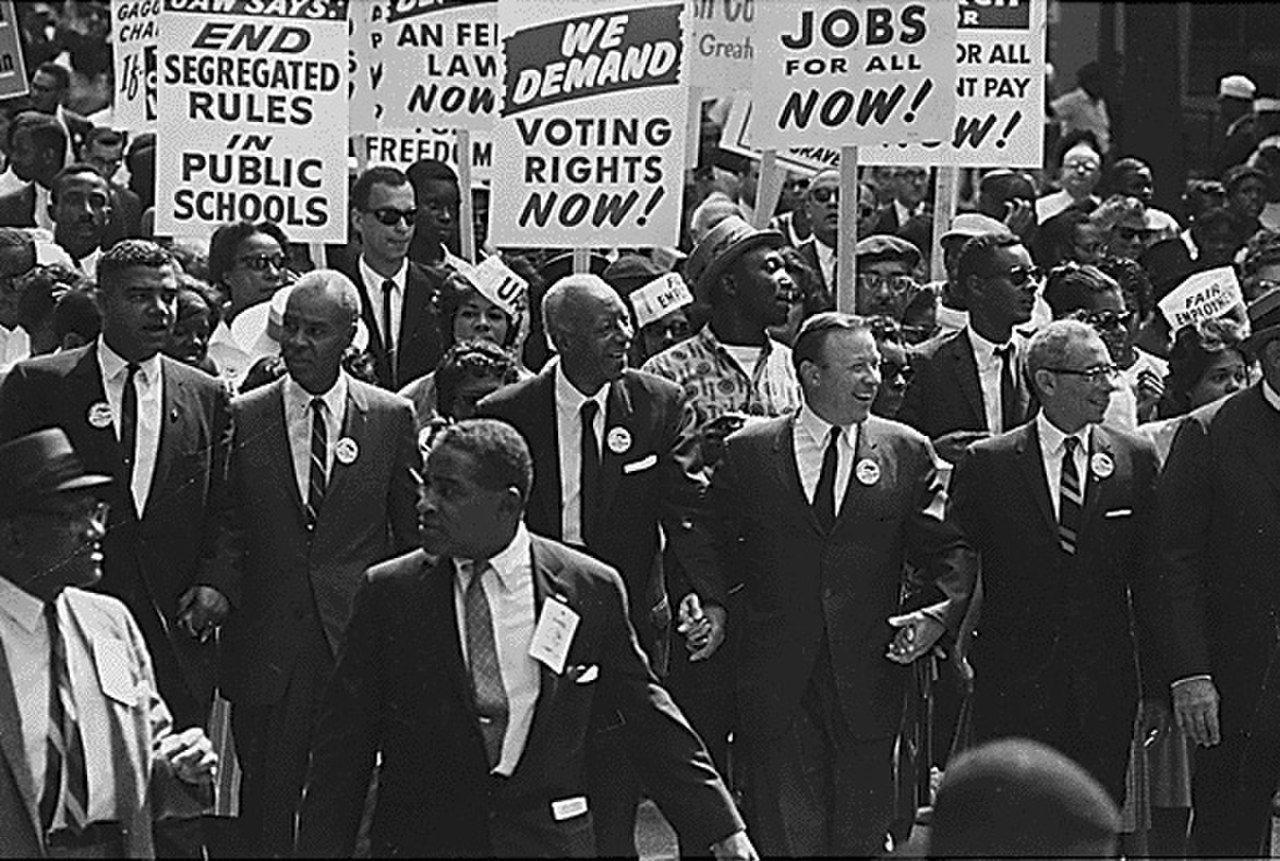
Forms of activism are diverse and can be tailored to suit different contexts and goals. As outlined in the work of Howard Zinn, activism can involve mandate building in a community, where individuals work to raise awareness and build support for a particular cause. This can be seen in the Feminist Movement, which has used a range of activism tactics, including Protests and Lobbying, to advance women's rights. Other forms of activism include petitioning elected officials, running or contributing to a political campaign, and demonstrative forms of activism like rallies, street marches, strikes, sit-ins, or hunger strikes. The Labor Movement has used these tactics to fight for workers' rights and improve working conditions.
📢 Mandate Building and Community Organization
Mandate building and community organization are crucial components of effective activism. By building a strong base of support within a community, activists can create a sense of momentum and urgency around a particular issue. This can involve working with local organizations, such as Community Centers or Places of Worship, to raise awareness and build support for a cause. As seen in the work of Martin Luther King Jr., community organization can be a powerful tool for creating social change. The NAACP has also used community organization to fight for Racial Justice and advance the rights of African Americans.
🏛️ Petitioning Elected Officials and Political Campaigns
Petitioning elected officials and running political campaigns are other important forms of activism. By engaging with the political process, activists can work to influence policy and create lasting change. This can involve working with organizations like MoveOn or Common Cause to mobilize public support for a particular issue. The Environmental Movement has used these tactics to push for policies that protect the environment and address Climate Change. As seen in the work of Bernard Shaw, political activism can be a powerful tool for creating social change.
🛍️ Preferential Patronage and Boycotts
Preferential patronage and boycotts are also effective forms of activism. By supporting businesses that align with their values and boycotting those that do not, individuals can create economic pressure for change. The Anti-Apartheid Movement used boycotts to pressure the South African government to end apartheid, while the Fair Trade Movement has used preferential patronage to promote more equitable trade practices. As seen in the work of Noam Chomsky, economic activism can be a powerful tool for creating social change.
🚫 Demonstrative Forms of Activism
Demonstrative forms of activism, such as rallies, street marches, strikes, sit-ins, or hunger strikes, can be highly effective in drawing attention to a cause. These forms of activism can create a sense of urgency and visibility, helping to mobilize public support and pressure decision-makers to take action. The Occupy Wall Street Movement used demonstrative activism to highlight issues of economic inequality, while the Black Lives Matter Movement has used similar tactics to fight for Racial Justice. As seen in the work of Malcolm X, demonstrative activism can be a powerful tool for creating social change.
🌟 Notable Activists and Their Impact
Notable activists have made significant contributions to social justice movements throughout history. Figures like Nelson Mandela, Rosa Parks, and César Chávez have inspired generations of activists with their courage and dedication. The American Civil Liberties Union has also played a crucial role in advancing social justice, particularly in the areas of Free Speech and Racial Justice. As seen in the work of Angela Davis, activism can be a powerful tool for creating social change and advancing human rights.
🤝 Intersectionality and Coalition Building
Intersectionality and coalition building are essential components of effective activism. By recognizing the interconnectedness of different social justice issues, activists can build stronger, more inclusive movements that address the complexities of oppression. The Feminist Movement has used intersectionality to address the ways in which Sexism, Racism, and Classism intersect and compound. As seen in the work of Bell Hooks, intersectionality can be a powerful tool for creating social change and advancing human rights.
📊 Measuring the Effectiveness of Activism
Measuring the effectiveness of activism can be challenging, but there are several key indicators that can be used to assess impact. These include changes in policy, shifts in public opinion, and the creation of new social justice movements. The LGBTQ Movement has used these indicators to measure the effectiveness of its activism, from the Stonewall Riots to the present day. As seen in the work of Harvey Milk, activism can be a powerful tool for creating social change and advancing human rights.
🚀 The Future of Activism
The future of activism will likely involve the continued use of technology and social media to mobilize and organize. The Arab Spring and other recent social justice movements have demonstrated the power of online activism in creating social change. As seen in the work of Anonymous, online activism can be a powerful tool for creating social change and advancing human rights. The Electronic Frontier Foundation has also played a crucial role in advancing digital rights and promoting online freedom of expression.
🌐 Global Activism and International Cooperation
Global activism and international cooperation will also be essential in addressing the complex, interconnected challenges of the 21st century. The United Nations has played a crucial role in promoting global cooperation and advancing human rights, particularly through the Universal Declaration of Human Rights. As seen in the work of Amnesty International, global activism can be a powerful tool for creating social change and advancing human rights.
Key Facts
- Year
- 2020
- Origin
- Global
- Category
- Social Justice
- Type
- Social Movement
Frequently Asked Questions
What is activism?
Activism consists of efforts to promote, impede, direct or intervene in social, political, economic or environmental reform with the desire to make changes in society toward a perceived common good. Forms of activism range from mandate building in a community, petitioning elected officials, running or contributing to a political campaign, preferential patronage of businesses, and demonstrative forms of activism like rallies, street marches, strikes, sit-ins, or hunger strikes. As seen in the work of Howard Zinn, activism can be a powerful tool for creating social change and advancing human rights.
What are some notable examples of activism?
Notable examples of activism include the Civil Rights Movement, the Feminist Movement, the Environmental Movement, and the Labor Movement. These movements have used a range of activism tactics, from Nonviolent Resistance to Boycotts, to achieve significant social change. The impact of activism can be seen in the work of organizations like Amnesty International, which has been a leading voice in the fight for Human Rights worldwide.
How can I get involved in activism?
There are many ways to get involved in activism, depending on your interests and skills. You can start by researching local organizations or movements that align with your values, and reaching out to get involved. You can also use online platforms to connect with other activists and stay up-to-date on current issues. As seen in the work of Noam Chomsky, activism can be a powerful tool for creating social change and advancing human rights. The Electronic Frontier Foundation has also played a crucial role in advancing digital rights and promoting online freedom of expression.
What is the impact of activism on society?
The impact of activism on society can be significant, leading to changes in policy, shifts in public opinion, and the creation of new social justice movements. As seen in the work of Martin Luther King Jr., activism can be a powerful tool for creating social change and advancing human rights. The NAACP has also used activism to fight for Racial Justice and advance the rights of African Americans.
How can I measure the effectiveness of activism?
Measuring the effectiveness of activism can be challenging, but there are several key indicators that can be used to assess impact. These include changes in policy, shifts in public opinion, and the creation of new social justice movements. The LGBTQ Movement has used these indicators to measure the effectiveness of its activism, from the Stonewall Riots to the present day. As seen in the work of Harvey Milk, activism can be a powerful tool for creating social change and advancing human rights.
What is the role of technology in activism?
Technology has played an increasingly important role in activism, enabling the rapid mobilization and organization of large numbers of people. The Arab Spring and other recent social justice movements have demonstrated the power of online activism in creating social change. As seen in the work of Anonymous, online activism can be a powerful tool for creating social change and advancing human rights.
How can I stay safe while engaging in activism?
Staying safe while engaging in activism is crucial, particularly in situations where there may be a risk of violence or repression. It is essential to research the local context, stay informed about potential risks, and take necessary precautions to protect yourself and others. The American Civil Liberties Union has also played a crucial role in advancing social justice, particularly in the areas of Free Speech and Racial Justice.